
Here Is What Oil No Stands For and Why It Really Matters
Oil no stands for “oil number,” a rating system that tells you how thick or thin your engine oil is at different temperatures. Understanding what oil no stands for helps you choose the right lubricant, protect your engine, and avoid costly repairs. This guide breaks down oil grades, viscosity ratings, and expert tips in plain language.
Every time you walk into an auto parts store or browse engine oil online, you see numbers and letters printed on every bottle. You might have wondered what those codes actually mean. If you have ever asked yourself, “What does oil no stands for?” you are not alone.
The short answer is simple. Oil no stands for “oil number.” It is the rating system printed on every container of motor oil. This number tells you how thick or thin the oil is and how well it will perform in different temperatures. In this guide, we will break down everything you need to know about oil grades, viscosity, and why the right oil number matters for your engine.
Whether you are a new car owner or someone who has been changing oil for years, understanding oil viscosity ratings can save you money and protect your engine. Let us dive in and make sense of it all.
Key Takeaways
- Oil no stands for “oil number,” the rating printed on every bottle of motor oil.
- SAE viscosity grades like 5W-30 or 10W-40 tell you how oil flows in hot and cold conditions.
- Choosing the wrong oil number can cause poor lubrication, engine wear, and reduced fuel economy.
- Multi-grade oils work across a wider temperature range than single-grade oils.
- Always check your owner’s manual before picking an oil grade for your engine.
- Synthetic and conventional oils share the same grading system but differ in performance and protection.
- Regular oil changes with the correct oil no extend engine life and keep your car running smoothly.
📑 Table of Contents
What Does Oil No Stand For?
The term oil no is short for “oil number.” It refers to the SAE viscosity grade printed on the back of every oil bottle. SAE stands for the Society of Automotive Engineers. This organization created the rating system so drivers and mechanics could easily identify how an oil performs under different conditions.
When you see something like “5W-30” on a bottle, that is the oil number. The “W” stands for winter. The number before the W measures how the oil flows in cold temperatures. The number after the hyphen measures how the oil performs at normal engine operating temperature.
Why the Oil Number Matters
Your engine has thousands of moving parts. These parts spin, rub, and grind against each other every time you turn the key. Engine oil lubrication reduces friction and prevents metal-on-metal contact. But not all oils flow the same way.
If your oil is too thick, it will not reach all the parts that need it. If it is too thin, it will break down under heat and pressure. The oil grade meaning helps you match the right thickness to your engine’s needs. Using the correct motor oil grades ensures smooth operation and long engine life.
Understanding Oil Viscosity Ratings
Oil viscosity is the measure of a fluid’s resistance to flow. Think of it like this. Honey has high viscosity. It moves slowly. Water has low viscosity. It flows fast. Engine oil works the same way. The viscosity rating tells you how easily oil pours and flows at a given temperature.
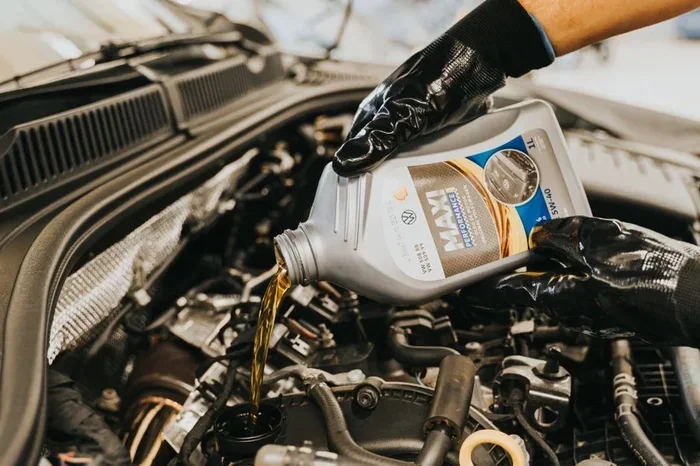
Visual guide about engine oil viscosity chart
Image source: images.pexels.com
Single-Grade vs. Multi-Grade Oil
There are two main types of oil classification systems. Single-grade oils work well in one temperature range. They are also called monograde oils. You might see them labeled as SAE 30 or SAE 10. These oils are common in older engines and small equipment like lawnmowers.
Multi-grade oils, on the other hand, work across a wider range. This is why most modern cars use multi-grade oil like 5W-30 or 10W-40. The first number handles cold starts. The second number handles hot operating conditions.
What the Numbers Actually Mean
Let us look at a common example. Say you see “5W-30” on a bottle. Here is what that oil weight meaning breaks down to:
- 5W: The oil flows like a 5-weight oil in cold winter conditions. The lower this number, the better it flows in the cold.
- 30: The oil behaves like a 30-weight oil at normal engine temperature. This number tells you the oil’s thickness when the engine is warm.
A lower first number means better cold-start protection. A higher second number means better protection at high temperatures. This is why the temperature rating on the oil bottle is so important.
How Oil No Affects Engine Performance
The oil no you choose has a direct impact on how your engine runs. Using the wrong grade can cause real problems over time. Here is how the oil number affects performance in everyday driving.
Cold Weather Performance
When temperatures drop, oil thickens. Thick oil does not flow quickly to the engine parts that need it most. During a cold start, the engine experiences the most wear. That is because the oil has not yet reached all the moving parts.
This is where the “W” rating comes in. A lower winter number, like 0W or 5W, means the oil stays thin and flows fast even in freezing weather. If you live in a cold climate, choosing a cold weather oil with a low W number is essential for engine health.
Hot Weather and High-Mileage Engines
In hot conditions, oil thins out. High temperatures can cause the oil to break down faster. If the oil becomes too thin, it loses its ability to protect engine components. This is where the second number in the grade matters.
A higher second number, like 40 or 50, means the oil stays thicker at high temperatures. This provides a stronger lubrication film between metal parts. For high-mileage engines or vehicles driven in hot climates, a higher second number can offer better protection.
Fuel Economy Considerations
Did you know your oil choice can affect fuel economy? Thinner oils create less resistance inside the engine. Less resistance means the engine does not work as hard. This can lead to better miles per gallon.
Many modern cars are designed to run on low-viscosity oils like 0W-20 or 5W-20. These oils help improve fuel efficiency while still providing adequate engine protection. Always check your owner’s manual before switching to a thinner oil.
Synthetic vs. Conventional Oil: Does the Grade Change?
A common question people ask is whether synthetic oil and conventional oil use different grading systems. The answer is no. Both types follow the same SAE viscosity grading system. A 5W-30 synthetic oil has the same viscosity rating as a 5W-30 conventional oil.
Where they differ is in the base oil composition and additive packages. Synthetic oils are engineered in a lab. They have fewer impurities and more consistent molecular structures. This gives them better performance at extreme temperatures and longer change intervals.
Conventional oils are refined from crude oil. They work well for standard driving conditions but may break down faster under extreme heat or heavy use. No matter which type you choose, the oil number on the bottle tells you the viscosity grade.
Which Type Should You Choose?
Here is a quick way to think about it:
- Conventional oil: Great for older vehicles with simple engines and normal driving conditions.
- Synthetic oil: Best for modern engines, extreme temperatures, and high-performance vehicles.
- Synthetic blend: A mix of both. Offers better protection than conventional oil at a lower price than full synthetic.
Always match the oil type to your driving habits and climate. The oil grade stays the same regardless of whether you pick conventional or synthetic.
Common Mistakes People Make With Oil Grades
Even experienced car owners sometimes make mistakes when choosing oil. Here are the most common errors and how to avoid them.
Using the Wrong Oil Number
The biggest mistake is guessing the right grade instead of checking the manual. Every engine is designed for a specific oil viscosity range. Using a thicker oil than recommended can reduce fuel economy and strain the oil pump. Using a thinner oil can lead to poor lubrication and increased wear.
Ignoring Climate Conditions
Your local climate plays a big role in oil performance. If you live in a place with harsh winters, a low W number is critical. If you live in a hot desert climate, you may want a higher second number to maintain film strength at high temperatures.
Switching Oil Brands Without Checking the Grade
Different brands use different additive packages. But as long as the SAE grade matches what your engine needs, switching brands is generally fine. Just make sure the number on the new bottle matches the old one.
Skipping Oil Changes Because of “Long-Life” Oil
Some synthetic oils claim to last 15,000 miles or more. While they do last longer than conventional oil, they still degrade over time. Dirt, moisture, and combustion byproducts contaminate the oil. No matter what oil number you use, stick to a regular oil change schedule.
Quick Tips for Choosing the Right Oil No
Here are some practical tips to help you pick the right oil grade every time:
- Check your owner’s manual first. It lists the recommended oil grade for your specific engine.
- Match the oil to your climate. Adjust the W number based on how cold your winters get.
- Look for API certification. The API donut symbol on the bottle confirms the oil meets industry standards.
- Do not mix oil grades. Stick to one grade at a time for consistent engine protection.
- When in doubt, ask a mechanic. A professional can recommend the best motor oil grades for your vehicle and driving style.
These simple steps take the guesswork out of oil selection. They help ensure your engine gets the right lubrication rating every time.
The Bottom Line
So, what does oil no stands for? It stands for “oil number,” the simple rating system that tells you how your oil will perform in different temperatures and conditions. Understanding oil viscosity and SAE ratings empowers you to make smarter choices for your vehicle.
The right oil number protects your engine, improves fuel economy, and extends the life of your car. The wrong oil number can cause damage that costs hundreds or even thousands of dollars to fix. Take the time to read the label, check your manual, and pick the grade that matches your needs.
Your engine works hard every day. Give it the protection it deserves by choosing the right oil grade. A small effort today can save you big problems tomorrow.
Frequently Asked Questions
What does oil no stands for in simple terms?
Oil no stands for “oil number.” It is the SAE viscosity rating printed on every bottle of motor oil. This number tells you how thick or thin the oil is at different temperatures and how well it will protect your engine.
Can I use a different oil number than what my manual recommends?
It is best to stick with the recommended oil grade. Using a different number can affect lubrication, fuel economy, and engine wear. If you must switch, consult a trusted mechanic first to make sure it is safe for your engine.
What is the difference between 5W-30 and 10W-30?
The difference is in the cold-weather performance. A 5W-30 flows better in cold temperatures than a 10W-30. At normal engine temperature, both oils behave the same way. If you live in a colder climate, 5W-30 is usually the better choice.
Does synthetic oil have a different oil number than conventional oil?
No. Both synthetic and conventional oils use the same SAE viscosity grading system. A 5W-30 synthetic oil has the same viscosity rating as a 5W-30 conventional oil. The difference lies in the base oil quality and additive package, not the grade number.
How often should I change my oil based on the oil number?
The oil number does not determine change intervals. Follow the schedule in your owner’s manual. Synthetic oils may last longer between changes, but all oil degrades over time. Regular changes keep your engine protected regardless of the grade.
Is a higher oil number always better for engine protection?
No. A higher number does not mean better protection. The right oil grade depends on your engine design, driving conditions, and climate. Using a number that is too high or too low can actually harm your engine. Always match the grade to your vehicle’s specifications.