How Do You Know Your Car Is Mixing Oil and Water Signs
Oil and water mixing in your car is a serious problem that can destroy your engine if ignored. You can spot this issue through milky oil, white exhaust smoke, coolant loss, and overheating. This guide walks you through every sign, cause, and solution so you can act fast and save your vehicle.
Your car’s engine relies on two fluids that should never meet: oil and water. Oil lubricates the moving parts inside your engine, while coolant (water mixed with antifreeze) keeps things from overheating. When these two fluids start mixing, it creates a dangerous situation that can lead to engine damage in a matter of miles.
But here is the good news. Most cars give you plenty of warning signs before the problem becomes catastrophic. You just need to know what to look for. In this article, we will walk you through every sign, every cause, and every fix related to oil and water mixing in car engines. By the end, you will know exactly how to protect your vehicle and your wallet.
Whether you are a seasoned car owner or someone who just wants to understand that weird white smoke coming from the hood, this guide has you covered. Let us dive in and talk about how to spot the problem early.
Key Takeaways
- Milky or frothy oil on the dipstick is the most visible sign that oil and water are mixing inside your engine.
- White smoke from the exhaust that smells sweet often points to coolant entering the combustion chamber.
- A failing head gasket is the most common cause of oil and water mixing in cars.
- Coolant loss without visible leaks is a red flag that fluid is crossing into the oil system.
- Overheating and temperature gauge spikes can happen when coolant gets contaminated by oil.
- Early detection saves thousands in repair costs and prevents total engine failure.
- Regular oil checks and coolant monitoring are the best ways to catch this problem early.
📑 Table of Contents
- What Happens When Oil and Water Mix in Your Engine
- Signs Your Car Is Mixing Oil and Water
- Common Causes of Oil and Water Mixing
- How to Diagnose Oil and Water Mixing
- How to Fix Oil and Water Mixing in Your Car
- Prevention Tips to Avoid Oil and Water Mixing
- Expert Insights on Oil and Water Contamination
- Key Takeaways
- Conclusion
What Happens When Oil and Water Mix in Your Engine
To understand the signs, you first need to understand what goes wrong when oil and water meet inside your engine. These two fluids are designed to stay completely separate. Oil flows through the oil galleries and lubricates bearings, pistons, and camshafts. Coolant flows through the engine block and cylinder head passages to absorb heat.
When a breach occurs between these two systems, the fluids start to cross-contaminate. Oil becomes contaminated with coolant, and coolant gets laced with oil. The result is a loss of lubrication, reduced cooling efficiency, and eventually, engine overheating or seized components.
The mixture creates a milky, sludgy substance that does not lubricate properly. Think of it like trying to run your engine on soup. It does not end well. The faster you catch this, the less damage occurs.
The Role of the Head Gasket
The head gasket sits between the engine block and the cylinder head. Its job is to seal the combustion chambers and keep oil and coolant in their separate channels. When this gasket fails, it creates a pathway for the two fluids to cross. This is the most common reason for coolant mixed with oil in modern vehicles.
Why Mixing Is So Dangerous
- Loss of lubrication: Contaminated oil does not flow or coat surfaces the way clean oil does. Metal parts start grinding against each other.
- Reduced cooling: Oil in the coolant system reduces the fluid’s ability to absorb and transfer heat away from the engine.
- Sludge formation: The emulsion created by oil and water turns into a thick sludge that clogs narrow oil passages.
- Corrosion: Water in the oil system causes rust and corrosion on internal engine components over time.
- Catastrophic failure: In worst-case scenarios, continued driving leads to a completely seized engine that needs full replacement.
Signs Your Car Is Mixing Oil and Water
Your car will tell you something is wrong long before the engine gives out. The key is knowing what to look for and when to take action. Here are the most common signs that your engine is suffering from oil and water mixing.

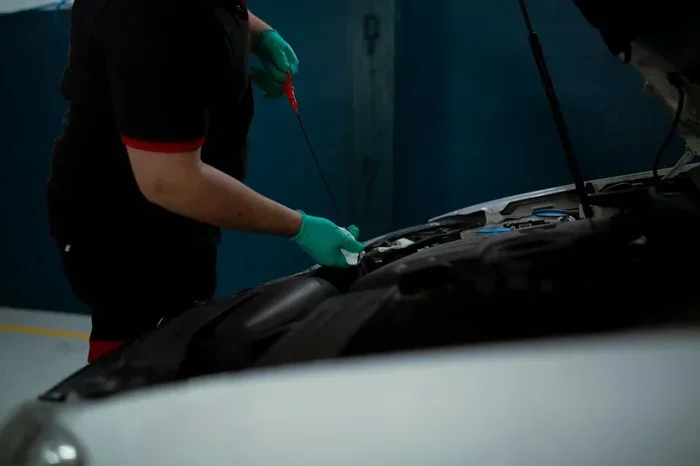
Visual guide about Milky oil dipstick engine
Image source: images.pexels.com
Milky or Frothy Oil on the Dipstick
This is the number one visual clue. Pull out your dipstick and look at the oil. Healthy oil should be amber or brown and transparent. If you see a milky, chocolate-milk-like substance on the dipstick, that is a strong indicator that coolant has entered your oil system. The milky appearance comes from the water emulsifying with the oil.
Do not ignore this. Even if the milky look clears up after the engine warms up, you still have a problem. The fact that it appeared at all means fluid cross-contamination is happening.
White Smoke From the Exhaust
We all know that some exhaust smoke is normal on cold mornings. But if you see thick white smoke that persists well after the engine is warm, that is a warning sign. This smoke often smells sweet, almost like syrup, because it is carrying coolant vapor out of the combustion chamber.
Normal exhaust is mostly colorless or slightly grey. Sweet-smelling white smoke means coolant is burning inside the engine. This is one of the clearest symptoms of oil and water mixing in car engines.
Coolant Disappearing Without Visible Leaks
If you keep topping off your coolant but cannot find any visible puddles or drips under the car, the fluid might be going somewhere it should not be. When coolant leaks into the oil system through a failed gasket or cracked head, it gets consumed or burned off in the combustion process.
Check your coolant reservoir regularly. If the level drops consistently and there are no external leaks, this is a strong signal that something internal is wrong.
Overheating or Temperature Gauge Fluctuations
Your engine runs within a very specific temperature range. When coolant gets contaminated by oil, it loses its ability to cool effectively. You may notice the temperature gauge creeping higher than normal, or fluctuating unpredictably while driving.
Overheating caused by contaminated coolant can warp the cylinder head or blow out gaskets, creating a vicious cycle of damage.
Oil Pressure Warning Light
Contaminated oil is thinner and less effective at maintaining proper oil pressure. If your dashboard oil pressure light comes on, it could mean the oil has been compromised by water or coolant intrusion. This is a serious warning that should prompt you to pull over and check the situation immediately.
Bubbles in the Coolant Reservoir
Open your coolant reservoir (when the engine is cool) and look for small bubbles or a frothy layer on top. This can indicate exhaust gases are leaking into the cooling system, which often happens alongside head gasket failure. The bubbles are a sign that combustion gases are pushing into places they do not belong.
Common Causes of Oil and Water Mixing
Understanding what causes this problem helps you prevent it and decide on the right fix. Here are the most common reasons why coolant mixed with oil occurs.
Blown Head Gasket
The head gasket is the most frequent culprit. Over time, the gasket deteriorates from heat cycles, pressure, and normal wear. When it fails, it creates a gap between the oil and coolant channels. This allows both fluids to seep into each other.
Head gasket failure can happen from normal aging, but it is often worsened by engine overheating episodes. If your car has overheated in the past, the head gasket may already be compromised.
Cracked Cylinder Head
Aluminum cylinder heads are especially prone to cracking under extreme heat. When a crack forms, it creates a direct passage between the oil and coolant systems. This is more common in vehicles that regularly overheat or have been driven hard without proper maintenance.
Damaged Oil Cooler Gasket
Many modern cars have an oil cooler that uses coolant to regulate oil temperature. If the gasket or seals on this cooler fail, coolant can leak directly into the oil supply. This is a common issue in certain vehicle models, especially those with high mileage.
Cracked Engine Block
In rare but severe cases, the engine block itself can crack. Freezing temperatures, overheating, or casting defects can cause cracks that allow coolant and oil to mix. A cracked engine block is one of the most expensive problems to fix.
Worn Piston Rings or Valve Seals
While less common, worn piston rings can allow coolant to pass into the combustion chamber and mix with oil on the cylinder walls. This type of issue often accompanies other symptoms like poor engine performance and increased oil consumption.
How to Diagnose Oil and Water Mixing
If you suspect your engine is mixing oil and water, there are several diagnostic steps you can take before visiting a mechanic. These checks can confirm your suspicions and help you understand the severity of the problem.
Visual Inspection of the Oil
Start with the dipstick. Pull it out, wipe it clean, reinsert it, and pull it out again. Look at the color and consistency. Milky brown or cream-colored oil is a dead giveaway. Also check the oil fill cap on top of the engine. If you see a brownish residue or foam under the cap, that is another sign of contamination.
Check the Coolant for Oil Contamination
Look at your coolant reservoir and radiator cap. Healthy coolant should be bright green, orange, or pink and clear. If you see oil floating on top or the coolant looks oily and dark, the contamination has gone both ways.
Use a Combustion Leak Tester
A combustion leak tester (also called a block tester) checks for exhaust gases in the coolant. You add a special fluid to the coolant and draw air from the radiator through it. If the fluid changes color, it confirms that combustion gases are entering the cooling system, which strongly indicates a gasket or crack issue.
Compression Test
A mechanic can perform a compression test to check the seal integrity of each cylinder. Low compression in one or more cylinders can point to a head gasket leak or a cracked head. This test is one of the most reliable ways to diagnose internal fluid mixing.
Pressure Test the Cooling System
A cooling system pressure test pressurizes the coolant system to check for internal or external leaks. If the pressure drops and there are no external leaks visible, the loss is likely internal, pointing to a head gasket failure or crack.
How to Fix Oil and Water Mixing in Your Car
The fix depends entirely on what is causing the problem. Here are the most common repair options and what they involve.
Head Gasket Replacement
If the head gasket has failed, it will need to be replaced. This is a major repair that involves removing the cylinder head, cleaning the mating surfaces, and installing a new gasket. Labor costs can be significant because the work is labor-intensive, but it is far less expensive than replacing an entire engine.
The average cost for a head gasket replacement ranges from $1,000 to $2,500 depending on the vehicle model and labor rates in your area.
Oil and Coolant System Flush
After repairing the source of the leak, both the oil and coolant systems need to be thoroughly flushed. Old contaminated oil and coolant must be completely drained and replaced with fresh fluids. The oil passages may also need to be cleaned to remove any sludge buildup.
Oil Cooler Repair or Replacement
If the oil cooler is the culprit, replacing the gasket or the entire cooler unit is usually straightforward. This is a less invasive repair compared to a head gasket job and often costs significantly less.
Cylinder Head Repair or Replacement
A cracked cylinder head can sometimes be repaired through a process called head decking or welding, depending on the severity of the crack. In other cases, a replacement head is needed. This repair is more expensive and may also require machining the head to ensure a proper seal.
Engine Replacement
In the worst cases, where the engine block is cracked or the damage is too extensive, a full engine replacement may be the only option. This is the most expensive repair, but it gives you a fresh start with a new or rebuilt engine.
Prevention Tips to Avoid Oil and Water Mixing
The best way to deal with oil and water mixing is to prevent it from happening in the first place. Here are some practical steps you can take to protect your engine.
- Monitor your coolant levels regularly. A sudden drop in coolant is often the first sign of an internal leak. Check the reservoir at least once a month.
- Inspect your oil during every fill-up. A quick glance at the dipstick can catch milky oil before it becomes a major problem.
- Never ignore overheating. If your temperature gauge spikes, pull over and let the engine cool. Continuing to drive while overheating is one of the fastest ways to blow a head gasket.
- Follow your oil change schedule. Fresh oil maintains its protective properties longer. Old, degraded oil is more vulnerable to contamination.
- Use the correct coolant specified by your manufacturer. Wrong coolant can cause corrosion and gasket deterioration over time.
- Address small leaks immediately. Even small external coolant leaks can worsen over time and eventually lead to internal problems.
- Keep up with routine maintenance. Regular inspections by a qualified mechanic can catch early warning signs before they turn into expensive repairs.
Expert Insights on Oil and Water Contamination
We spoke with certified mechanic Tom Reynolds, who has over 20 years of experience diagnosing engine problems. He shared some valuable insights about this common issue.
“The biggest mistake I see is people ignoring the early signs,” Tom says. “They notice a little white smoke or see the coolant level dropping slightly, and they just keep driving. By the time they bring it in, the engine damage is already significant. If you catch the signs early, a head gasket job is manageable. If you wait, you might be looking at a new engine.”
Tom also emphasizes the importance of not mixing DIY fixes with professional diagnosis. “There are products on the market that claim to seal head gasket leaks temporarily. Some of them work for very small leaks. But they are not a permanent solution. If you see milky oil or persistent white smoke, get a proper diagnosis from a professional before you cause more damage.”
Another common misconception, according to Tom, is that oil and water mixing only happens in older cars. “I see this in newer vehicles too, especially those with high mileage or a history of overheating. Age alone is not the only factor. Driving habits and maintenance history matter just as much.”
Key Takeaways
- Milky oil on the dipstick is the most obvious sign that coolant has entered your oil system and needs immediate attention.
- White, sweet-smelling exhaust smoke is a clear indicator that coolant is burning in the combustion chamber.
- A blown head gasket is the most common cause of oil and water mixing in car engines.
- Coolant loss without visible leaks should always raise suspicion of an internal problem.
- Early diagnosis and repair save thousands of dollars compared to waiting until engine damage becomes severe.
- Regular fluid checks and maintenance are your best defense against this costly problem.
Conclusion
Knowing how do you know your car is mixing oil and water can save you from a devastating engine repair bill. The signs are there, and they are usually visible if you take a moment to look. From milky oil on the dipstick to white smoke from the exhaust and mysterious coolant loss, your car gives you multiple warnings before the problem becomes catastrophic.
Do not wait until the engine seizes up on the highway. If you notice any of the signs we discussed, get your vehicle inspected by a qualified mechanic as soon as possible. The cost of a diagnostic visit is a fraction of what you will pay for a new engine.
Stay proactive with your vehicle maintenance. Check your fluids regularly, watch for warning signs, and address small problems before they grow into big ones. Your engine works hard for you every day. The least you can do is return the favor by keeping it properly maintained and free from fluid contamination.
Remember, oil and water mixing in car engines is a serious issue, but it is also a very manageable one when caught early. Use the knowledge from this guide to protect your car and keep it running smoothly for years to come.
Frequently Asked Questions
What does milky oil on the dipstick mean?
Milky oil on the dipstick means that coolant or water has mixed with your engine oil. This emulsion looks like chocolate milk and is a strong sign that your head gasket, oil cooler gasket, or another internal seal has failed. You should address this issue immediately to prevent further engine damage.
Can I still drive my car if oil and water are mixing?
You should not continue driving if you have confirmed that oil and water are mixing. Even short distances can cause significant damage to internal engine components. Contaminated oil loses its lubricating ability, which leads to increased friction, overheating, and potential seizure of engine parts.
How much does it cost to fix a head gasket leak?
The cost of a head gasket replacement typically ranges from $1,000 to $2,500, depending on your vehicle model and local labor rates. The parts themselves are relatively affordable, but the labor is intensive because the repair requires removing the cylinder head and replacing the gasket.
Can a head gasket sealer fix the problem permanently?
Head gasket sealers found in auto parts stores can work for very minor leaks in some cases. However, they are not a permanent or reliable solution for most head gasket failures. A professional repair is always the best long-term option to ensure your engine stays safe and properly sealed.
What happens if I ignore white smoke from the exhaust?
Ignoring white exhaust smoke can lead to worsening engine damage over time. The coolant that is burning in the combustion chamber can create hydrolock, damage catalytic converters, and contaminate the oil system. What might start as a small gasket leak can quickly escalate into a complete engine failure if left unaddressed.
How can I prevent oil and water from mixing in my engine?
You can prevent this problem by regularly checking your coolant and oil levels, never ignoring signs of overheating, following your manufacturer’s maintenance schedule, and using the correct coolant type. Consistent monitoring and timely repairs of small issues are the best ways to keep your engine’s fluid systems properly separated.