Simple Steps to Reset the 2019 F150 Check Engine Light
Learn the simple steps to reset your 2019 F150 check engine light without visiting a mechanic. This guide covers OBD2 scanner methods, battery disconnect tricks, and common causes like a loose gas cap. You’ll get actionable tips to clear fault codes and prevent future issues.
The 2019 F150 check engine light reset process is simpler than most truck owners think. Whether the light is solid or flashing, you can often clear it yourself with the right tools. This guide walks you through every method, from using an OBD2 scanner to the quick gas cap trick. You’ll learn what triggers the warning, how to interpret diagnostic trouble codes, and when to call a mechanic. By the end, you’ll feel confident handling this common Ford F150 issue.
A glowing check engine light on your 2019 F150 can feel alarming. It might be a loose gas cap, or it could signal something more serious. The good news is that resetting the light is usually a straightforward task. Many drivers avoid the dealer or shop because they think it requires expensive diagnostics. With a basic code reader or a few simple steps, you can handle this yourself.
Key Takeaways
- Use an OBD2 scanner for the safest reset – It reads and clears codes without harming your truck’s computer.
- Check the gas cap first – A loose cap is the #1 cause of the light and a quick fix.
- Never ignore a flashing light – It signals a severe problem like engine misfire that can damage the catalytic converter.
- Reset after fixing the root cause – Clearing codes without repair will just bring the light back.
- Battery disconnect works in a pinch – But it may reset radio stations and require relearning of idle speed.
- Keep a code reader handy – Knowing the exact DTC helps you decide if it’s a DIY fix or a trip to the shop.
📑 Table of Contents
Why Does the 2019 F150 Check Engine Light Come On?
The check engine light is part of your truck’s onboard diagnostics system. It monitors the emissions system, fuel delivery, ignition timing, and more. When a sensor detects something out of range, it stores a fault code and illuminates the light. The Malfunction Indicator Lamp (MIL) can appear in two forms: solid or flashing.
Common Triggers for the Warning Light
Several issues can wake up the light. A loose fuel cap is the most frequent culprit. Other common triggers include a failing oxygen sensor, a dirty mass airflow sensor, worn spark plugs, or a weak ignition coil. The EVAP system (Evaporative Emission Control) can also set a code if the purge valve sticks or a hose cracks. Even a catalytic converter that is starting to fail will trigger the light.
When to Worry About a Flashing Light
A solid light usually means a non-emergency issue. A flashing check engine light is more urgent. It often points to an engine misfire that can overheat the catalytic converter. If you see flashing, reduce speed and avoid heavy acceleration. Pull over safely if the light starts blinking rapidly.
Quick Tip: Before you do anything else, tighten the gas cap. A loose cap can cause the light to come on, and it often resets itself after a few drive cycles.
How to Reset the 2019 F150 Check Engine Light
Resetting the light means clearing the stored diagnostic trouble codes (DTCs). You have three main options. Each method works, but they suit different situations. Here is a quick comparison of the approaches.

Visual guide about Ford F150 dashboard closeup
Image source: images.pexels.com
| Method | Best For | Pros | Cons |
|---|---|---|---|
| OBD2 Scanner | Most drivers | Reads codes, clears them safely, no side effects | Requires a scanner (costs $20–$100) |
| Battery Disconnect | Emergency reset | No tools needed, clears all codes | Resets radio, clock, and may cause idle relearn |
| Gas Cap Tighten | Loose cap issue | Free, instant fix | Only works if cap was the problem |
The OBD2 scanner method is the safest and most reliable way to perform a 2019 F150 check engine light reset. It lets you see what code triggered the light first. You can then fix the problem and clear the code with confidence. The battery disconnect method works but can reset learned driving habits, causing a rough idle for a few miles. The gas cap trick is the simplest, but only use it if you suspect the cap was loose.
Method 1: Using an OBD2 Scanner
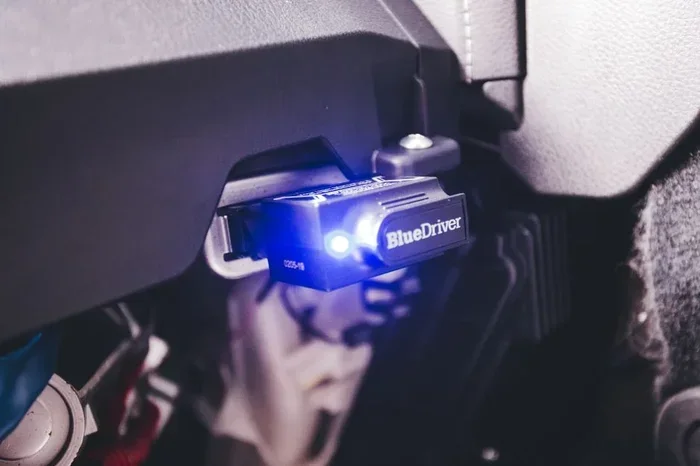
This is the preferred method for any Ford F150 owner. Plug the scanner into the OBD-II port under the dashboard. Turn the ignition to the ON position (do not start the engine). The scanner will read the stored codes. You can then select “Clear Codes” or “Erase DTCs.” The light should turn off immediately.
Method 2: Disconnecting the Battery
Open the hood and locate the negative battery terminal. Use a wrench to loosen the cable and pull it off. Wait at least 15 minutes. This drains the capacitor and resets the engine control module. Reconnect the terminal and start the truck. The check engine light will be off, but you may need to relearn idle speed by driving gently for a few miles.
Method 3: The Gas Cap Trick
If the light is on and you recently filled up, the cap might be loose. Turn it clockwise until it clicks three times. Drive for a few days. The 2019 F150 check engine light reset happens automatically after a few successful drive cycles. If the light stays on, you need a scanner.
Common Mistake: Never clear codes without fixing the underlying problem. The light will return, and you may face a failed emissions test.
Step-by-Step Guide to Resetting with an OBD2 Scanner
Using a scanner is the most controlled way to handle a 2019 F150 check engine light reset. Follow these steps carefully.
What You’ll Need
- An OBD2 scanner or code reader
- A notepad or phone to write down codes
- Your Ford F150 owner’s manual
- A stable work surface
Connecting and Reading Codes
- Locate the OBD-II port under the steering column.
- Plug the scanner connector firmly into the port.
- Turn the ignition key to the ON position.
- Wait for the scanner to power up and connect.
- Select “Read Codes” or “Scan for DTCs.”
- Write down the alphanumeric codes (for example, P0442).
Each code tells you which system has a fault. A pending code means the issue is intermittent. A permanent code (P0xxx) means the problem is confirmed and the light will stay on until resolved.
Clearing the Codes
Once you have fixed the root cause—such as replacing a faulty oxygen sensor or tightening the gas cap—you can clear the codes. On the scanner menu, choose “Clear DTCs” or “Reset MIL.” The check engine light will turn off. Drive the truck for a full drive cycle to let the emissions system recheck all monitors.
Expert Insight: Always clear codes one at a time if you have multiple. This helps you confirm which repair fixed each issue. Some scanners let you clear all at once, but that can confuse the diagnostic process.
Common Causes Behind the 2019 F150 Check Engine Light
Understanding the root cause helps you decide if a reset is appropriate. Here are the most common reasons a Ford F150 will set a check engine light.
Loose or Faulty Gas Cap
The EVAP system seals fuel vapors inside the tank. A loose cap breaks the seal and triggers a small leak code. This is the easiest fix of all. Replace the cap if it is cracked or the seal is worn.
Oxygen Sensor Issues
The oxygen sensor measures unburned oxygen in the exhaust. A failing sensor can reduce fuel economy and raise emissions. Code P0133 or P0171 often points to this problem. Replacing the sensor usually resolves the light.
Catalytic Converter Problems
The catalytic converter cleans exhaust gases. Over time, it can clog or melt. A common code is P0420. This repair is more expensive, but driving with a damaged converter can cause engine damage.
Mass Airflow Sensor Failure
The MAF sensor tells the computer how much air enters the engine. Dirt or a bad sensor causes rough idle and poor acceleration. Code P0100 or P0101 is typical. Cleaning the sensor with a special cleaner often fixes it.
Ignition Coil and Spark Plugs
Worn spark plugs or a failing ignition coil cause engine misfires. Code P0300 indicates a random misfire. Replacing these parts is usually inexpensive and prevents further damage.
Quick Tip: If you see a code related to the EGR valve, try cleaning it before replacing it. Carbon buildup is a common cause, and a simple cleaner can restore proper function.
Preventing Future Check Engine Light Issues
Regular care keeps the 2019 F150 check engine light from coming back. A few simple habits can save you trips to the shop.
Regular Maintenance Tips
- Replace spark plugs at the factory-recommended interval.
- Check the gas cap seal during every fuel stop.
- Use high-quality fuel and a reputable gas station.
- Inspect vacuum hoses for cracks or loose connections.
- Keep up with oil changes and air filter replacements.
Quick Checks Before Driving
Before you start the truck each morning, glance at the dashboard. If the check engine light is on, do not ignore it. A quick scan with a portable code reader can tell you if it is a minor issue. Also, listen for unusual sounds like ticking or hissing. These can point to a vacuum leak or exhaust problem.
Common Mistake: Many drivers reset the light and drive on without ever checking the code. This can turn a small repair into a major one. Always read the code first.
When to Seek Professional Help
DIY resets work great for simple issues. But some problems need a trained technician. Knowing the difference saves time and money.
DIY vs. Mechanic: Know the Difference
If the light is solid and the truck runs normally, you can likely handle it yourself. A loose gas cap, a new oxygen sensor, or a fresh set of spark plugs are often easy fixes. If the light is flashing, or if you notice a loss of power, rough idle, or strange smells, visit a mechanic immediately. These symptoms can indicate a serious engine misfire or catalytic converter damage.
Warning Signs You Shouldn’t Ignore
- The check engine light flashes while driving.
- The truck stalls or hesitates under load.
- You see smoke from the exhaust.
- Fuel economy drops suddenly.
- The temperature gauge climbs into the red.
A professional shop has advanced scan tools that can read pending codes and perform live data analysis. They can also run a full emissions test to ensure your truck is road legal. If you are unsure, it is always safer to get a second opinion.
Expert Insight: Some independent shops will read the codes for free. This gives you the information you need to decide whether to fix it yourself or pay for service. Always ask for the exact DTC before any work begins.
Conclusion
Resetting the 2019 F150 check engine light is a task most owners can do in minutes. The OBD2 scanner method is the safest and gives you the most control. A simple gas cap tighten often solves the problem without any tools. Remember to always fix the root cause before clearing codes, or the light will return. Keep a code reader in your truck, and you will never feel helpless when the check engine light comes on. With the right knowledge, you can keep your Ford F150 running strong and avoid unnecessary trips to the shop.
Frequently Asked Questions
Can I drive my 2019 F150 with the check engine light on?
You can drive a short distance if the light is solid and the truck runs normally. However, a flashing light means you should stop and seek help immediately. Driving with a flashing light can cause permanent damage to the catalytic converter.
How much does it cost to reset the check engine light on a 2019 F150?
If you use your own OBD2 scanner, the cost is just the price of the tool. Many basic scanners cost under $30. If you visit a shop, some will reset the light for free if you bought the part from them, or they may charge a diagnostic fee of $50 to $100.
Will disconnecting the battery reset the 2019 F150 check engine light permanently?
It will clear the codes and turn off the light temporarily. But if the underlying problem is not fixed, the light will return after a few drive cycles. Battery disconnects can also reset learned idle speed and radio presets.
What is the difference between a pending code and a permanent code?
A pending code means the issue has been detected once but is not yet confirmed. The light may not be on yet. A permanent code means the problem has been seen multiple times and the check engine light is illuminated. Permanent codes require repair and a manual reset.
Can a loose gas cap cause the check engine light to flash?
It is rare, but a very loose gas cap can trigger a flashing light if it causes a large vacuum leak. Most of the time, a loose cap causes a solid light. Tightening the cap is the first step you should take whenever the light comes on.
How long does it take for the check engine light to reset after fixing the problem?
After clearing the codes with a scanner, the light should turn off immediately. However, the truck needs to complete a drive cycle (usually 50–100 miles) for the emissions monitors to run and confirm the repair. Until then, the light may stay off but the system is not fully ready.