My Car Says Oil Change Required But I Already Did It
Your car may still show an oil change required message even after a recent service. This common issue usually stems from a system that needs resetting, a faulty sensor, or an oil life monitor that tracks more than just mileage. Understanding the root cause helps you avoid unnecessary trips to the mechanic and keeps your engine running smoothly.
You just got your oil changed. You feel great about it. You drove away from the shop with a smile. Then, a few days later, your dashboard flashes that annoying message again. Oil change required. You did it already. So why is your car still saying that?
This happens more often than you might think. Car owners face this exact frustration every single day. The good news is that it is almost always fixable. In this guide, we will walk you through every reason this happens and exactly how to solve it.
Key Takeaways
- Reset the oil life system: Most cars need a manual reset after an oil change to clear the warning.
- A faulty oil level sensor can trigger false alerts: Even with fresh oil, a bad sensor keeps the light on.
- Oil quality matters: Using the wrong oil type can cause the system to flag a change sooner than expected.
- Try the reset procedure first: Before panicking, a simple reset often solves the problem entirely.
- Persistent lights need professional attention: If the reset doesn’t work, a mechanic should inspect the system.
- Regular maintenance prevents issues: Following your car’s service schedule reduces false alerts and keeps your engine healthy.
📑 Table of Contents
Why Does My Car Still Say Oil Change Required After a Service?
Your car’s oil life monitoring system is smarter than a simple mileage counter. It tracks driving habits, engine temperature, and driving conditions. Sometimes, the system does not reset automatically after an oil change. That leaves you staring at a warning light that makes no sense.
The oil change light is part of your car’s onboard diagnostics. It is designed to remind you when maintenance is due. But it is not always perfect. The system relies on algorithms and sensors. When one of those components glitches, you get a false alert.
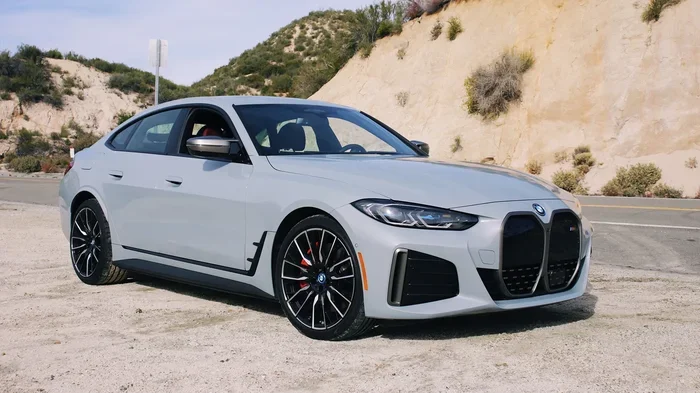
Different car brands use different systems. Some track time and mileage together. Others focus on driving style. BMW vehicles, for example, use a sophisticated oil life monitor that tracks many factors. If you drive a BMW and see persistent warnings, a BMW oil level sensor fault could be the culprit behind the persistent warning.
Understanding how your specific car’s system works is the first step. Once you know what triggers the light, you can take the right action to clear it.
How Oil Life Monitors Work
Most modern cars use an oil life system instead of a simple oil change indicator. This system calculates when your oil actually needs replacing. It looks at several factors including:
- Engine revolutions per minute (RPM)
- Driving temperature ranges
- Idle time and stop-and-go driving
- Trip distance and frequency
- Engine load and operating conditions
Because of this, your car may think you need an oil change sooner than the traditional 3,000-mile rule. The system is trying to protect your engine. It is just doing its job a little too aggressively sometimes.
Common Reasons the Oil Change Light Stays On
There are several reasons your car keeps saying oil change required after you already did the service. Let us break them down one by one.
1. The Oil Life System Was Not Reset
This is the number one reason. After an oil change, the mechanic or you need to manually reset the system. If nobody reset it, the old counter keeps running. The car thinks the new oil has already been used.
Every vehicle has a slightly different reset procedure. Some require holding a button on the dashboard. Others need a sequence through the steering wheel controls. Check your owner’s manual for the exact steps.
2. A Faulty Oil Level Sensor
Your car uses an oil level sensor to measure oil quantity and quality. If this sensor is damaged or dirty, it sends wrong data to the computer. The computer then thinks the oil is low or degraded, even when it is perfectly fine.
Symptoms of a bad sensor include:
- Inconsistent warning messages
- The light comes on and off randomly
- Accurate oil dipstick readings but persistent warnings
- Other dashboard lights appearing at the same time
3. Wrong Oil Type Was Used
Not all engine oil is the same. Using the wrong oil viscosity or type can confuse your car’s monitoring system. For example, if your car needs synthetic oil and conventional oil was used instead, the system may detect different performance characteristics.
Always check your owner’s manual for the recommended oil specification. Using the correct oil filter and oil type ensures the monitoring system works accurately.
4. Old Oil Was Not Fully Drained
Sometimes a quick oil change leaves behind contaminated oil. When old and new oil mix, the system may detect impurities faster than normal. This can trigger the oil change required message sooner than expected.
If you suspect this happened, have a mechanic check the oil quality with a dipstick test. Dark, gritty oil means the old oil was not fully removed.
5. A Software Glitch in the ECU
Your car’s Engine Control Unit (ECU) manages many functions. Occasionally, a software glitch causes false warnings. This is more common in older vehicles or after a recent software update.
A simple battery disconnect often fixes this. Disconnect the battery for about 15 minutes, then reconnect it. This resets the ECU and clears temporary errors.
How to Reset Your Oil Change Indicator
Resetting the oil change light is usually straightforward. But the exact steps depend on your car’s make and model. Here are the general methods that work for most vehicles.
Method 1: The Steering Wheel Button Method
Many cars let you reset the oil life system through the steering wheel controls. Here is the general process:
- Turn the ignition to the “on” position (do not start the engine).
- Press the steering wheel buttons to navigate to the maintenance menu.
- Find the oil life reset option.
- Hold the button for 10 to 15 seconds.
- Turn the ignition off and then back on to confirm the reset.
If the light stays on after this, try the method below or consult your manual.
Method 2: The Pedal Method
Some vehicles require a pedal-based reset sequence:
- With the engine off, press and hold the accelerator pedal all the way down.
- Turn the ignition to “on” while still holding the pedal.
- Wait for the dashboard lights to flash.
- Release the pedal and wait for the reset to complete.
- Start the engine and check if the light is gone.
Method 3: The OBD-II Scanner Method
For stubborn systems, an OBD-II scanner is your best friend. This tool plugs into your car’s diagnostic port and communicates directly with the ECU. You can clear error codes and reset the oil life system with a few clicks.
OBD-II scanners are affordable and widely available. Many auto parts stores will reset your system for free if you buy the scanner from them.
What to Do When the Reset Does Not Work
If you have tried resetting the system and the light still says oil change required, do not panic. There are a few more things you can try before visiting a mechanic.
Check Your Oil Level First
Use the dipstick to check your oil level. If the oil is low, the sensor will keep triggering the warning. Top off the oil with the correct type for your vehicle. Then try the reset again.
If you are unsure about checking your oil level, you can also look at how a mechanic puts oil in the engine for a visual guide on proper oil checking and filling techniques.
Inspect the Oil for Contamination
Fresh oil should look amber and transparent. If your oil looks dark, milky, or has particles in it, something is wrong. Milky oil often means water has mixed with the oil. This is a serious issue that needs immediate attention. You can learn more about water mixing with oil in your car engine and what it means for your vehicle’s health.
Try a Battery Disconnect Reset
Disconnecting the battery for 15 to 20 minutes clears the ECU’s temporary memory. This often resolves software glitches that cause false warnings. After reconnecting the battery, start the car and see if the light has cleared.
Check for Other Dashboard Warning Lights
Sometimes the oil change light appears alongside other warnings. If you see a check engine light or oil pressure warning too, the issue may be more serious. Multiple warning lights together suggest a deeper problem that needs professional diagnosis.
Preventing False Oil Change Alerts
The best way to deal with false oil change required messages is to prevent them from happening in the first place. Here are some practical tips.
Keep a Maintenance Log
Write down every oil change date, mileage, and oil type used. This log helps you track your car’s maintenance history. It also gives you proof if a mechanic tries to tell you something is wrong when it is not.
Use Quality Oil and Filters
Cheap oil and filters may save money upfront. But they can cause sensor confusion and engine problems later. Stick with reputable brands and the oil specification your car manufacturer recommends.
Follow the Recommended Oil Change Interval
Every car has a recommended oil change interval in the owner’s manual. Following this schedule keeps your engine healthy and your monitoring system accurate. Most modern cars need an oil change every 5,000 to 7,500 miles with synthetic oil.
Pay Attention to Driving Conditions
Severe driving conditions shorten oil life. These include:
- Frequent short trips under 5 miles
- Driving in extreme heat or cold
- Heavy towing or hauling
- Stop-and-go city driving
- Dusty or off-road conditions
If you drive in these conditions often, your oil life system may trigger the warning sooner. This is normal and expected.
When Should You See a Mechanic?
Most false oil change alerts resolve with a simple reset. But some situations require professional help. You should see a mechanic if:
- The reset procedure does not work after three attempts
- You notice low oil pressure while driving
- The oil looks contaminated or milky
- Multiple dashboard warning lights are active
- Your car makes unusual engine noises
- The oil level drops frequently after refilling
A qualified mechanic can run a full diagnostic scan and check your oil level sensor, oil quality, and engine health. They have the tools and expertise to find problems that simple resets cannot fix.
Do not ignore persistent warnings. A car that keeps saying oil change required may have a real underlying issue. Addressing it early saves you from expensive repairs down the road.
Final Thoughts
Dealing with an oil change required message after you already did the service is frustrating. But it is almost always a simple fix. Start with a reset of the oil life system. If that does not work, check your oil level and quality. Try a battery disconnect. And if nothing works, see a trusted mechanic.
Your car’s monitoring system is designed to protect your engine. When it works correctly, it gives you peace of mind. When it malfunctions, a little knowledge goes a long way. Keep this guide handy for your next dashboard surprise.
Stay proactive with your car maintenance. Regular oil changes and sensor checks keep your engine running strong for years to come. Do not let a stubborn warning light stress you out. You now know exactly what to do.
Frequently Asked Questions
Can I drive my car if the oil change light is on after I already changed the oil?
Yes, in most cases it is safe to drive. The light is usually just a reminder that the system needs resetting. However, if you notice low oil pressure, strange engine noises, or the oil looks dark and gritty, stop driving and get it checked immediately.
How do I know if my oil level sensor is faulty?
A faulty oil level sensor often gives inconsistent readings. Your dipstick may show the oil is full, but the dashboard still warns you. You may also see the light flicker on and off randomly. A mechanic can run a diagnostic test to confirm if the sensor needs replacing.
How often should I reset my oil change system after an oil change?
You should reset the system every time you get an oil change. This applies whether you do it yourself or visit a mechanic. Resetting ensures the monitoring system starts tracking the fresh oil’s life from zero.
Does using synthetic oil affect the oil change light?
Yes, synthetic oil can affect the light. Synthetic oil lasts longer than conventional oil, so the system may extend the oil change interval. However, the light should still reset after each oil change regardless of the oil type used.
What should I do if the oil change light comes back immediately after resetting?
If the light returns immediately, check your oil level first. Low oil will trigger the warning again. If the level is fine, try disconnecting the battery for 15 minutes to reset the ECU. If the problem persists, have a mechanic inspect the oil level sensor and ECU for faults.
Is it safe to ignore the oil change required message?
You should not ignore it for long. While a false alert is usually harmless, ignoring real oil change needs can damage your engine. Fresh oil lubricates engine parts and prevents overheating. Always address the warning promptly to protect your vehicle’s health.