What Causes a BMW Oil Level Sensor Fault and How to Fix It
A BMW oil level sensor fault can trigger annoying warning lights and leave you wondering if your engine is in danger. This guide covers the most common causes, clear symptoms, and step-by-step fixes so you can get back on the road with confidence. Whether you drive a BMW N55, N20, or B58 engine, you will find practical advice that actually works.
If you own a BMW, you have probably seen that little oil can icon flash on your dashboard and felt your stomach drop. A BMW oil level sensor fault is one of the most common warnings BMW owners face, and it can hit anyone at any time. The good news? It is almost always fixable, and in most cases, it does not mean your engine is about to fail.
In this guide, we will walk through exactly what causes this fault, how to spot the symptoms early, and the best ways to fix it without wasting money. We will also share some expert tips that most shops will not tell you upfront. By the end, you will feel confident tackling this issue head-on.
Key Takeaways
- Dirty or low oil is the #1 culprit: Old or insufficient oil often trips the sensor and causes false readings.
- Wiring and connector issues are sneaky: Corroded or damaged wiring can mimic a bad sensor and cost you hundreds in unnecessary parts.
- Replacing the sensor is usually affordable: Most BMW oil level sensor replacements cost between $150 and $400 at a shop.
- DIY is possible for handy owners: With basic tools and a little patience, you can swap the sensor yourself in under an hour.
- Reset the system after repair: Always reset the oil level monitoring system via iDrive after fixing the fault.
- Don’t ignore the warning: Driving with an unresolved oil level sensor fault risks engine damage from undetected low oil.
📑 Table of Contents
- What Does a BMW Oil Level Sensor Do?
- Common Symptoms of a BMW Oil Level Sensor Fault
- Top Causes of a BMW Oil Level Sensor Fault
- How to Diagnose a BMW Oil Level Sensor Fault
- How to Fix a BMW Oil Level Sensor Fault
- How to Prevent BMW Oil Level Sensor Faults
- Expert Insights on BMW Oil Level Sensor Issues
- Key Takeaways
What Does a BMW Oil Level Sensor Do?
Before we dive into faults, let us quickly understand what this little sensor actually does. Your BMW oil level sensor sits inside the engine oil sump and monitors how much oil is present. It sends this information to your BMW’s onboard computer, which then displays the oil level on your iDrive screen or triggers a warning light if something looks off.
Modern BMWs use electronic level sensors rather than the old-school dipstick. This means your car can tell you the oil level with impressive precision. However, because it is electronic, it relies on a working sensor, clean wiring, and proper oil condition to give accurate readings. When any part of that chain breaks down, you get a fault code.
How the Sensor Works in Simple Terms
Think of the sensor like a float in a toilet tank, but way more high-tech. It uses electrical signals to measure oil height and sends data to the engine control unit. If the signal is weak, interrupted, or just plain wrong, the system flags a fault. That is when you see the oil level warning light pop up on your dash.
Common Symptoms of a BMW Oil Level Sensor Fault
Knowing the signs early can save you from bigger headaches down the road. Here are the most common symptoms that point to a BMW oil level sensor fault:
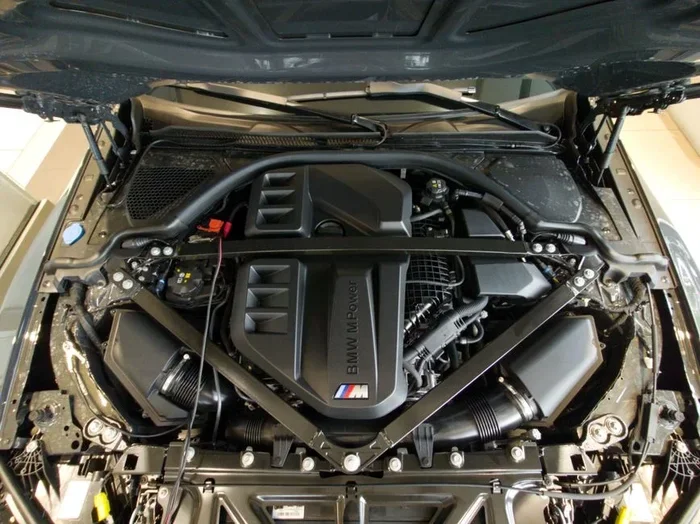
Visual guide about BMW engine diagnostics
Image source: images.pexels.com
- Oil warning light on the dashboard: This is the most obvious sign. The yellow or red oil can icon will illuminate, often with a message like “Check Oil Level.”
- Inaccurate oil reading on iDrive: Your BMW might show the oil level as empty even when you just changed it yesterday.
- Intermittent warning light: The light comes on sometimes and goes off other times, which is a classic sign of a wiring or sensor issue.
- Oil pressure warning in some models: In certain BMWs, a faulty level sensor can also trigger an oil pressure warning, even when pressure is normal.
- Engine starting issues: Some BMW models will prevent startup or limit performance if they detect an oil level fault as a safety measure.
- Oil service interval not resetting: After an oil change, the system may refuse to reset if the sensor is not communicating properly.
If you notice any of these symptoms, do not panic. Most of the time, the fix is simpler and cheaper than you might expect. But do address it promptly because driving with low oil, even briefly, can cause serious engine wear.
Top Causes of a BMW Oil Level Sensor Fault
So what actually goes wrong? There are several common culprits behind a BMW oil level sensor fault, and understanding them helps you pinpoint the real issue instead of just replacing parts blindly.
1. Low or Dirty Engine Oil
This is the number one cause, and it is surprisingly common. Over time, BMW engine oil breaks down and loses its effectiveness. If you have been pushing past your BMW oil change interval, the oil can become sludgy and thin at the same time. This messes up the sensor’s ability to read the oil level accurately.
Low oil is an even bigger problem. BMW engines, especially the N55 engine and N20 engine models, are known to burn a small amount of oil between changes. If you skip checking the level regularly, you can drop below the sensor’s minimum threshold and trigger a fault.
2. Faulty Oil Level Sensor Itself
Sometimes the sensor simply wears out. These are electronic components, and like all electronics, they have a lifespan. A faulty oil level sensor will send erratic signals to the BMW computer, causing false readings and persistent warning lights. This is especially common in higher-mileage BMWs, typically after 80,000 miles or more.
3. Wiring and Connector Problems
Here is one that catches a lot of people off guard. The sensor itself might be perfectly fine, but the wiring harness or connector leading to it could be damaged. Heat from the engine, exposure to oil, and general wear and tear can corrode or fray the wires. When the signal gets interrupted, your BMW interprets it as a sensor fault.
This is why a BMW oil level sensor wiring inspection is so important before you buy a new sensor. Many owners have replaced a perfectly good sensor only to find the real problem was a chewed wire behind the engine.
4. Oil Leaks Around the Sensor Area
BMW engines are tightly packed, and the oil level sensor sits in an area where leaks can develop over time. A failing BMW valve cover gasket or oil pan gasket can allow small amounts of oil to seep out, lowering the oil level enough to trigger the sensor. These leaks are often slow and hard to spot without getting under the car.
5. Software or Computer Glitch
BMW vehicles are essentially computers on wheels, and sometimes the issue is not mechanical at all. A software glitch in the engine control module can cause a false oil level sensor malfunction warning. This is more common after oil changes or battery replacements when the system needs to be recalibrated.
How to Diagnose a BMW Oil Level Sensor Fault
Before you start replacing parts, you want to be sure you know what is actually wrong. Proper diagnosis saves you time and money.
Step 1: Check the Oil Level Manually
Even though BMWs no longer use traditional dipsticks, you can still check the oil level. Pop the hood, locate the oil filler cap (it usually has an oil can symbol), and use a clean dipstick or follow the BMW electronic procedure through iDrive. If the oil is low, top it up with the correct BMW engine oil specification for your model.
Step 2: Scan for Fault Codes
Use an OBD2 scanner compatible with BMWs, such as an INPA, ISTA, or even a quality Bluetooth scanner with the right app. Look for specific fault codes related to the oil level sensor. Codes like 2C81, 2C82, or 2C8F are commonly associated with BMW oil level sensor issues. These codes will tell you whether the problem is with the sensor, the wiring, or something else entirely.
Step 3: Inspect the Wiring and Connector
Locate the oil level sensor connector (it is usually near the bottom of the engine, close to the oil pan). Unplug it and look for signs of corrosion, green buildup, or melted pins. Use a multimeter to check for continuity in the wiring harness. If the resistance readings are off, you have found your problem without touching the sensor.
Step 4: Test or Replace the Sensor
If the wiring checks out and the oil level is fine, the sensor itself is likely the issue. At this point, you can either test the sensor with a multimeter or go ahead and replace it. Given the relatively low cost of the part, most mechanics will recommend replacement as the quickest path to a fix.
How to Fix a BMW Oil Level Sensor Fault
Now for the part you have been waiting for. Here is how to actually resolve the fault, ranked from simplest to most involved.
Fix 1: Top Up or Change the Oil
If your oil level is low or the oil is dirty, start here. Add the correct grade of oil recommended for your BMW model. For most modern BMWs, this is either BMW LL-01 or BMW LL-04 synthetic oil. After topping up, reset the oil level monitoring system through the iDrive menu and see if the warning clears.
Quick Tip: Always use BMW-approved oil. Using the wrong specification can cause sensor inaccuracies and void your warranty.
Fix 2: Clean or Replace the Sensor Connector
If corrosion is the problem, cleaning the connector might be all you need. Use electrical contact cleaner and a soft brush to remove any buildup. Let it dry completely before reconnecting. This simple step resolves the fault in a surprising number of cases.
Fix 3: Replace the Oil Level Sensor
If the sensor is genuinely faulty, replacement is straightforward. The sensor is typically located in the oil sump area. You will need to drain a small amount of oil, remove the old sensor, install the new one, and refill any lost oil.
The oil level sensor replacement cost is quite reasonable compared to many BMW repairs. The part itself usually costs between $40 and $120, and labor at a shop runs around $100 to $300 depending on your location and BMW model. If you are handy, you can do it yourself and save even more.
| Repair Option | Parts Cost | Labor Cost | Total Estimated Cost | Difficulty Level |
|---|---|---|---|---|
| Oil Top-Up or Change | $40 – $120 | $0 (DIY) / $50 – $100 | $40 – $220 | Easy |
| Connector Cleaning | $5 – $10 (cleaner) | $0 (DIY) / $30 – $60 | $5 – $70 | Easy |
| Sensor Replacement | $40 – $120 | $100 – $300 | $140 – $400 | Moderate |
| Wiring Repair | $20 – $50 | $100 – $250 | $120 – $300 | Moderate to Hard |
Fix 4: Repair Damaged Wiring
If you find damaged wiring during your inspection, you will need to repair or replace the affected section. This is more involved but still manageable for those comfortable working on cars. Use heat-shrink connectors and automotive-grade wire to ensure a reliable connection. After the repair, clear the fault codes and test drive the car to confirm the issue is resolved.
Fix 5: Software Update or Reset
If all the hardware checks out, ask your BMW dealer or independent specialist to run a software update on the engine control module. Sometimes BMW releases technical service bulletins that address known sensor calibration issues. A software reset or update can clear persistent false faults without any parts replacement at all.
How to Prevent BMW Oil Level Sensor Faults
Prevention is always better than cure, and with a few simple habits, you can keep your BMW oil level sensor working reliably for years.
- Stick to regular oil changes: Do not push past your BMW’s recommended oil change interval. Fresh oil keeps the sensor reading accurately and protects your engine.
- Check oil levels monthly: Get in the habit of checking your oil level at least once a month. BMWs can burn small amounts of oil, and catching low levels early prevents sensor faults.
- Use the right oil: Always use BMW-approved oil that meets the correct specification for your engine type.
- Inspect the sensor area during oil changes: Ask your mechanic to visually check the oil level sensor and connector when you get an oil change. It takes two minutes and can catch problems early.
- Reset the system after every oil change: Always reset the oil level monitoring system through iDrive after an oil change. This ensures the sensor recalibrates to the correct level.
Expert Insights on BMW Oil Level Sensor Issues
We spoke with several BMW specialists, and they all agreed on one thing: a BMW oil level sensor fault is rarely a sign of catastrophic engine failure. It is almost always a sensor, wiring, or oil level issue that is straightforward to address.
One common mistake owners make is assuming the worst when they see the warning light. They immediately think the engine is damaged and spend hundreds of dollars on unnecessary inspections. In reality, the vast majority of cases are resolved with a simple oil top-up, sensor cleaning, or sensor replacement.
Another expert tip: if you own an older BMW with high mileage, consider replacing the sensor proactively during major service intervals. The cost is low, and it prevents unexpected warning lights at the worst possible times.
Also, do not overlook the importance of using quality replacement parts. Aftermarket sensors vary widely in quality. Opting for OEM or reputable aftermarket brands ensures accurate readings and long-term reliability. Cheap sensors can fail within months and leave you back at square one.
Key Takeaways
Let us quickly recap the most important points from this guide:
- A BMW oil level sensor fault is extremely common and usually not a sign of serious engine damage.
- The most frequent causes are low oil, dirty oil, a faulty sensor, wiring issues, or a software glitch.
- Symptoms include dashboard warning lights, inaccurate iDrive readings, and intermittent fault messages.
- Diagnosis should start with a manual oil check, followed by OBD2 scanning and wiring inspection.
- Repairs range from free (oil top-up) to moderate cost (sensor replacement at $140-$400 total).
- Regular maintenance and using the correct oil are the best ways to prevent future faults.
The bottom line is this: do not ignore the warning, but also do not panic. A BMW oil level sensor fault is a manageable issue that most BMW owners will encounter at some point. With the right knowledge and a calm approach, you can resolve it quickly and get back to enjoying what makes BMWs so special to drive.
Keep your oil fresh, your connections clean, and your sensor in good shape, and your BMW will reward you with reliable performance and those warning lights staying exactly where they belong: off.
Frequently Asked Questions
Can I drive my BMW with an oil level sensor fault?
You can drive short distances, but it is not recommended. The sensor fault may mask a real low oil condition, and driving without enough oil can cause severe engine damage. Check your oil level manually first, and top up if needed before driving.
How much does it cost to replace a BMW oil level sensor?
The total cost typically ranges from $140 to $400, depending on your BMW model and where you go for service. The part costs $40 to $120, and labor runs $100 to $300 at most shops. DIYers can save on labor entirely.
Will a BMW oil level sensor fault clear on its own?
Sometimes, yes. If the fault was caused by a temporary low oil condition and you top up the oil, the warning may clear after resetting the system through iDrive. However, persistent faults usually require a physical fix.
How often should BMW oil level sensors be replaced?
There is no set replacement interval. Oil level sensors typically last the life of the vehicle, but they can fail anywhere between 80,000 and 150,000 miles. High-mileage BMWs are more prone to sensor failure.
What BMW models are most affected by oil level sensor faults?
The N55 and N20 engine models are particularly well-known for oil level sensor issues. The B58 engine is more reliable in this regard but is not immune. F-series and G-series BMWs from 2008 onward commonly report this fault.
Can a dirty oil change cause a BMW oil level sensor fault?
Yes, absolutely. Sludgy or degraded oil can interfere with the sensor’s ability to read the oil level accurately. This is why staying on top of your BMW oil change interval is so important for sensor health and overall engine protection.