Best Hydraulic Jack Reviews and How to Pick the Right One
Choosing the best hydraulic jack can make vehicle maintenance safer and easier. Our guide covers top models, key features, and practical buying tips to help you make the right choice. Whether you need a low profile jack for sports cars or a heavy duty option for trucks, we have you covered. Read on to learn what matters most and which jacks earn top marks.
Every car owner faces the moment when they need to get under their vehicle. Whether it is a tire change, brake job, or simple inspection, the best hydraulic jack makes that job safe and painless. But with so many options on the market, picking the right one can feel overwhelming.
This guide breaks down everything you need to know. We will walk you through types, features, and top picks so you can shop with confidence. By the end, you will know exactly which hydraulic jack fits your garage, your vehicle, and your budget.
Let us start with the basics. A hydraulic jack uses pressurized fluid to multiply your lifting force. This means you can raise thousands of pounds with just a few pumps of a handle. It is one of the most useful tools you can own for auto repair and vehicle maintenance.
Key Takeaways
- Hydraulic jacks use fluid pressure to lift heavy loads with minimal effort, making them essential for any garage or workshop.
- Low profile jacks are ideal for sports cars and vehicles with ground clearance issues, while standard floor jacks suit most passenger vehicles.
- Lift capacity and lifting height are the two most important specs to match to your vehicle and intended use.
- Weldless construction and swivel casters add durability and mobility, which are key features in quality hydraulic floor jacks.
- Always use jack stands alongside any hydraulic jack for safety during auto repair or vehicle maintenance.
- Overload protection and a solid warranty signal a reliable, long lasting hydraulic lift.
📑 Table of Contents
- Why a Hydraulic Jack Is Worth the Investment
- Types of Hydraulic Jacks You Should Know
- Key Features to Look For in the Best Hydraulic Jack
- Top Hydraulic Jack Reviews
- Comparison Table
- How to Use a Hydraulic Jack Safely
- Common Mistakes to Avoid
- Expert Insights on Choosing the Right Jack
- How to Maintain Your Hydraulic Jack for Longevity
- Final Thoughts on Finding the Best Hydraulic Jack
Why a Hydraulic Jack Is Worth the Investment
Many people wonder why they need a dedicated jack when their car came with a small spare tire jack. The answer is simple. Factory jacks are lightweight, slow, and often unsafe for extended work. A quality hydraulic floor jack lifts faster, higher, and with much more stability.
Here is why investing in a proper jack matters:
- Speed and ease: A few pumps raise your vehicle quickly. No more struggling with a scissor mechanism under the hot sun.
- Safety: Hydraulic jacks have a wide base and low center of gravity. This reduces the risk of tipping during auto repair.
- Durability: Quality models use steel construction and sealed hydraulic systems. They last for years with proper care.
- Versatility: With the right jack, you can perform oil changes, suspension work, and more beneath your vehicle safely.
When you compare a tiny scissor jack to a hydraulic lift, the difference is night and day. You are not just buying a tool. You are buying peace of mind every time you pop your hood.
Types of Hydraulic Jacks You Should Know
Not all jacks are the same. Different styles serve different purposes. Understanding the types helps you narrow your search for the best hydraulic jack for your needs.
Visual guide about hydraulic jack car lifting
Image source: images.pexels.com
Hydraulic Floor Jack
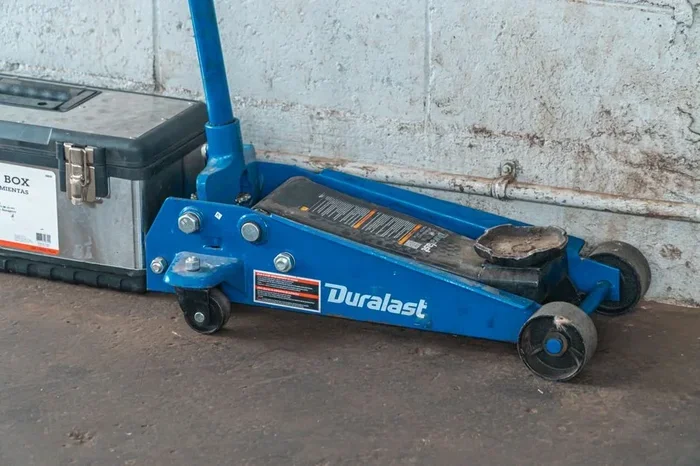
The hydraulic floor jack is the most popular choice for home garages. It sits low to the ground and has a long handle for easy pumping. Most models have swivel casters that let you roll it under your vehicle quickly.
These jacks typically offer a lift capacity between 2 and 10 tons. For most passenger cars and SUVs, a 3 ton or 5 ton floor jack works perfectly. They also feature a low profile design that fits under vehicles with minimal ground clearance.
Bottle Jack
A bottle jack stands upright and has a compact, cylindrical shape. It is perfect for tight spaces where a floor jack would not fit. Heavy duty bottle jacks are common in trucking and construction work.
However, bottle jacks usually have a lower lifting height than floor jacks. They also tend to be less stable on uneven surfaces. Use them on flat, solid ground only.
Scissor Jack
Scissor jacks are the small, portable jacks that come with most new cars. They use a screw mechanism rather than hydraulic fluid. While convenient for emergencies, they are slow and limited in capacity.
Do not rely on a scissor jack for regular vehicle maintenance. They are best kept in the trunk for roadside tire changes only.
Pneumatic Jack
Pneumatic jacks use compressed air to lift vehicles. They are fast and powerful, often found in professional shops. However, they require an air compressor, which adds cost and complexity.
For most home users, a standard hydraulic jack is the smarter choice. It does not need extra equipment and works just as well.
Key Features to Look For in the Best Hydraulic Jack
Not every jack is built the same. Some cut corners, while others deliver real value. Here are the features that separate a good jack from a great one.
Lift Capacity
Lift capacity tells you the maximum weight a jack can safely handle. Always choose a jack rated for more than your vehicle’s weight. A 3 ton jack works for most sedans. Trucks and SUVs need 5 ton or 10 ton models.
Remember that hydraulic pressure plays a role here too. A well built jack maintains consistent pressure across hundreds of lift cycles without sagging.
Lifting Height
The lifting height determines how high your vehicle will rise. Low profile jacks start at just a few inches off the ground, which is perfect for sports cars. Higher lifting heights suit trucks and lifted vehicles.
Measure the clearance under your vehicle before buying. You want the jack to fit comfortably underneath without scraping the floor.
Construction Quality
Steel construction is the gold standard for hydraulic jacks. Avoid plastic or thin aluminum bodies. A weldless design adds structural integrity and reduces the risk of failure under heavy load.
Look for models with overload protection. This safety feature prevents the jack from lifting beyond its rated capacity, protecting both you and your vehicle.
Maneuverability
Swivel casters make it easy to position the jack under your vehicle. Locking casters add extra stability once the jack is in place. A good jack should roll smoothly and stop exactly where you need it.
Quick Tip: Choose a jack with a wide saddle pad. This spreads the load evenly and prevents damage to your vehicle’s frame or body panels.
Warranty and Brand Reputation
A strong warranty signals that the manufacturer trusts their product. Look for at least a one year warranty on any hydraulic jack. Brands with solid reputations often offer better customer support and replacement parts too.
Top Hydraulic Jack Reviews
Now let us look at some of the top rated options available. These picks are based on performance, durability, and value for money.
Arcan ALJ-2260 2-Ton Low Profile Hydraulic Floor Jack
The Arcan ALJ-2260 is a fantastic budget friendly option. It offers a low profile design that fits under most compact cars and sedans easily. The hydraulic pressure system provides smooth, steady lifting with minimal effort.
At 2 tons, it handles most passenger vehicles with ease. The steel construction feels solid, and the swivel casters move effortlessly across a garage floor. This jack punches well above its price point.
Powerbuilt 62000 3-Ton Hydraulic Floor Jack
The Powerbuilt 62000 is one of the most popular hydraulic jacks on the market. It offers a 3 ton capacity that covers most cars and light trucks. The quick lift technology raises the saddle faster than many competing models.
Users love the compact design and the built in overload protection. The weldless body adds durability, and the rubber saddle pads protect your vehicle’s frame. It is a reliable choice for weekend auto repair projects.
Torin Big Red T62001 3-Ton Hydraulic Floor Jack
The Torin Big Red series is a favorite among home mechanics. The T62001 offers a 3 ton capacity with a wide 18 inch saddle pad. This makes it stable and secure under most vehicles.
The chrome-plated piston resists corrosion and extends the jack’s lifespan. The swivel casters roll smoothly, and the ergonomic handle makes pumping comfortable. It is a well rounded hydraulic lift at a fair price.
Pro-Lift 5000 5-Ton Low Profile Hydraulic Jack
For heavier vehicles, the Pro-Lift 5000 stands out. Its 5 ton capacity handles trucks, vans, and SUVs with room to spare. The low profile design still fits under vehicles with modest ground clearance.
This jack features a robust steel frame and a weldless design that inspires confidence. The hydraulic fluid system operates smoothly, and the dual pump mechanism speeds up lifting time. It is an excellent choice for serious vehicle maintenance.
Comparison Table
| Jack Model | Capacity | Lifting Height | Profile | Price Range |
|---|---|---|---|---|
| Arcan ALJ-2260 | 2 Ton | 4.5 inches | Low Profile | Budget |
| Powerbuilt 62000 | 3 Ton | 5.5 inches | Standard | Mid Range |
| Torin T62001 | 3 Ton | 6 inches | Standard | Mid Range |
| Pro-Lift 5000 | 5 Ton | 5 inches | Low Profile | Premium |
How to Use a Hydraulic Jack Safely
A hydraulic jack is a powerful tool, but safety must always come first. Follow these steps every time you lift your vehicle.
- Park on flat, solid ground. Never use a jack on a slope, gravel, or soft soil.
- Engage the parking brake and place wheel chocks behind the tires.
- Position the jack under the vehicle’s designated lift point. Check your owner’s manual for the correct location.
- Pump the handle slowly until the vehicle reaches the desired height.
- Always place jack stands under the vehicle frame before working beneath it.
- Never rely on a jack alone to hold a vehicle while you are underneath it.
Quick Tip: Keep your hydraulic jack on a flat mat or board if your garage floor is uneven. This prevents the jack from tilting and ensures a stable lift every time.
Regular maintenance also keeps your jack safe. Check the hydraulic fluid level occasionally and inspect for leaks. Wipe down the jack after each use to prevent rust buildup on the steel body.
Common Mistakes to Avoid
Even experienced car owners sometimes make jack related errors. Avoid these common mistakes to stay safe and protect your vehicle.
- Skipping jack stands: This is the most dangerous mistake. A hydraulic jack can fail, and a falling vehicle causes serious injuries or worse.
- Overloading the jack: Exceeding the load rating strains the hydraulic system and can cause sudden failure.
- Using the wrong lift points: Placing the jack on a plastic body panel or suspension component can cause costly damage.
- Ignoring the warranty: Register your jack and keep your receipt. A good warranty covers defects and gives you peace of mind.
- Buying the cheapest option: A very cheap jack may save money upfront but could fail when you need it most. Invest in quality.
Expert Insights on Choosing the Right Jack
We spoke with several professional mechanics about what they look for in a hydraulic jack. Their advice is simple but valuable.
“Always match the jack capacity to your heaviest vehicle,” says one shop owner. “A 3 ton jack works for most cars, but if you have a truck, go with 5 ton or higher.”
Another expert emphasizes the importance of hydraulic fluid quality. “Cheap jacks often use inferior seals that leak quickly. A well maintained jack with quality seals lasts a decade or more.”
Their top recommendation for most homeowners is a 3 ton low profile hydraulic floor jack. It covers 90 percent of common auto repair tasks and fits under most passenger vehicles with ease.
Key Takeaways from the pros:
- Buy slightly more capacity than you think you need.
- Prioritize weldless steel construction over plastic alternatives.
- Choose a jack with swivel casters for easy positioning.
- Always pair your jack with quality jack stands.
- Read reviews from real users before making a purchase.
How to Maintain Your Hydraulic Jack for Longevity
A hydraulic jack is a long term investment. Proper care keeps it working smoothly for years. Follow these simple maintenance tips.
Store your jack in a dry, temperature controlled area. Moisture causes rust on steel components and degrades seals over time. After each use, wipe the jack down with a clean cloth to remove dirt, grease, and road salt.
Check the hydraulic fluid reservoir every few months. Low fluid levels reduce lifting power and can damage the internal pump. Most quality jacks use standard hydraulic fluid that is easy to refill at any auto parts store.
Lubricate moving parts like the swivel casters and pump handle regularly. A few drops of machine oil keeps everything operating smoothly. Also inspect the saddle pad for wear and replace it if the surface becomes smooth or cracked.
Finally, never exceed the rated lift capacity. Overloading the jack stresses every component from the hydraulic cylinder to the release valve. Treat your jack with respect, and it will serve you reliably for many years of vehicle maintenance.
Final Thoughts on Finding the Best Hydraulic Jack
Choosing the best hydraulic jack comes down to matching the right tool to your specific needs. Consider your vehicle type, your garage space, and your budget before making a decision. A 3 ton low profile floor jack serves most homeowners perfectly, while heavier vehicles demand a beefier 5 ton or 10 ton model.
Focus on quality construction, smooth operation, and reliable safety features. The top picks in this guide all offer excellent value and proven performance. Pair any hydraulic jack with sturdy jack stands, and you are ready for safe, confident auto repair in your own garage.
Take your time, compare the options, and invest in a jack that will serve you well. The right hydraulic lift transforms vehicle maintenance from a chore into a quick, manageable task. You will wonder how you ever worked without one.
Frequently Asked Questions
What is the best hydraulic jack for a beginner?
The Powerbuilt 62000 3-ton hydraulic floor jack is an excellent choice for beginners. It is affordable, easy to operate, and has a capacity that covers most passenger vehicles. The quick lift feature and overload protection make it safe and user friendly.
Can I use a hydraulic jack on an uneven surface?
You should always place a hydraulic jack on a flat, hard surface. Uneven ground causes the jack to tilt, which can lead to an unstable lift. If your garage floor is uneven, use a flat board or mat underneath the jack for stability.
How often should I change the hydraulic fluid in my jack?
Most hydraulic jacks do not require regular fluid changes. However, check the fluid level every few months and top it off if needed. Replace the fluid if you notice leaks, sluggish lifting, or discolored fluid inside the reservoir.
What is the difference between a hydraulic jack and a mechanical jack?
A hydraulic jack uses pressurized fluid to lift heavy loads with minimal effort. A mechanical jack, such as a scissor jack, uses a screw or ratchet mechanism. Hydraulic jacks are faster, more powerful, and much easier to operate than mechanical alternatives.
Do I really need jack stands if I have a hydraulic jack?
Yes, jack stands are absolutely essential. A hydraulic jack can fail or leak, causing the vehicle to drop suddenly. Always place jack stands under the vehicle frame before working underneath it. Never rely on a jack alone for support.
What lift capacity do I need for my SUV or truck?
Most SUVs and light trucks require a 5 ton hydraulic jack. Check your vehicle’s owner manual for the recommended lift capacity. If you have a heavy duty truck or work with multiple vehicles, consider a 10 ton model for added versatility and safety.
=== CONCLUSION ===
Finding the best hydraulic jack does not have to be complicated. With the right knowledge, you can pick a jack that is safe, durable, and perfectly suited to your vehicles. Focus on lift capacity, construction quality, and ease of use. The top models reviewed in this guide offer excellent performance at fair prices.
Remember to always use jack stands, maintain your jack regularly, and never exceed the rated capacity. These simple habits keep you safe and extend the life of your equipment. Start your search today and enjoy the confidence that comes with a reliable hydraulic jack in your garage.