How Snow Provides Extra Support for Portable Garage
Snow accumulation on a portable garage can actually work in your favor, adding structural support and improving stability during harsh winter months. When snow settles evenly across the roof and walls, it creates a natural weight distribution system that reinforces the entire portable garage structure. Understanding this phenomenon helps you make smarter decisions about winter storage and garage maintenance.
When winter rolls in, most people think about snow as a nuisance. Shoveling, scraping, and worrying about roof damage fill our minds. But here is something surprising. Snow can actually provide extra support for your portable garage. It sounds counterintuitive, right? We usually think of snow as a burden. Yet when it comes to portable structures, accumulated snow plays a unique role. It adds weight, yes, but that weight works in your favor. It presses the garage firmly against the ground. It reduces movement caused by strong winds. It even helps distribute forces more evenly across the frame. In this article, we will explore how snow accumulation on a portable garage creates structural benefits. We will look at the science behind it. We will share practical tips. And we will help you understand when snow helps and when it becomes a problem.
Portable garages are incredibly useful structures. They protect vehicles, equipment, and stored items from the elements. They are affordable, easy to set up, and highly portable. But they do have one weakness. They can shift or lift during severe winter storms. High winds are the usual culprit. Snow, however, can be part of the solution. When snow settles on and around a portable garage, it adds a layer of structural support that many owners overlook. This article dives deep into that topic. Whether you own a fabric canopy garage or a metal frame shelter, this guide will give you valuable insights.
Key Takeaways
- Snow acts as a natural stabilizer for portable garages by adding downward pressure that reduces shifting and lifting from wind.
- Even snow distribution across the roof creates balanced structural support that can enhance the garage’s overall integrity.
- Understanding snow load limits is essential to ensure your portable garage benefits from snow weight without risk of damage.
- Fabric and metal portable garages respond differently to snow accumulation, so choosing the right type matters for winter performance.
- Regular snow management prevents excessive buildup that could compromise the structure rather than support it.
- Proper anchoring and foundation work hand in hand with snow weight to maximize the stability of your portable garage.
📑 Table of Contents
- How Snow Adds Structural Support to Portable Garages
- Understanding Snow Load and Your Portable Garage
- The Science Behind Snow Pressure on Garage Roofs
- Benefits of Snow Accumulation on Portable Structures
- Common Mistakes to Avoid with Snow on Portable Garages
- Tips for Managing Snow on Your Portable Garage
- Comparing Snow Support Across Different Portable Garage Types
- Expert Insights on Snow and Portable Garage Stability
- Key Takeaways
- Frequently Asked Questions
- Conclusion
How Snow Adds Structural Support to Portable Garages
Let us start with the basics. Snow provides extra support for portable garages through a simple physics principle. Weight pushes things down. When snow accumulates on a garage roof and around its base, it increases the overall downward force. This extra force pins the structure more securely to the ground. It resists the upward and sideways forces that wind creates. Think of it like placing a heavy book on a tablecloth. The cloth stays in place because the weight holds it down. The same concept applies to your garage.
The Role of Downward Pressure
Every portable garage experiences lateral forces during winter. Wind pushes from the sides. Temperature changes cause expansion and contraction. The ground may shift slightly due to frost heave. All of these forces can loosen a garage over time. Snow counteracts these effects by adding consistent downward pressure. This pressure keeps the frame snug against its anchors. It reduces rattling, swaying, and gradual displacement. Over the course of a long winter, this added stability can significantly extend the life of your garage.
Snow as a Natural Ballast
Engineers use the term ballast to describe weight that stabilizes a structure. Snow acts as a natural ballast for portable buildings. A fully covered portable garage can accumulate several hundred pounds of snow. That weight works to keep the structure grounded. It is the same reason sandbags are used to secure temporary structures during storms. Snow does the same job, and it is already there for free. This natural ballast effect is especially noticeable with fabric canopy garages. These lighter structures benefit enormously from the added weight because they have less inherent mass to resist wind forces.
Understanding Snow Load and Your Portable Garage
Not all snow is created equal. Wet, heavy snow weighs much more than light, fluffy snow. This difference matters a lot when we talk about snow load and garage stability. Understanding snow load helps you know exactly how much support your garage is getting and when it might be getting too much.
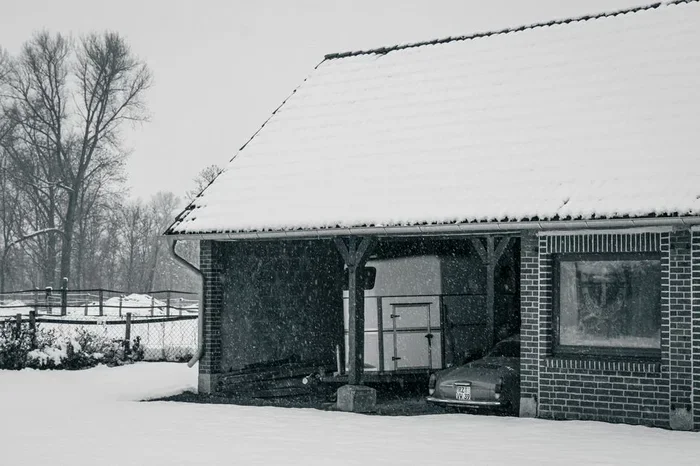
Visual guide about snow covered portable garage
Image source: images.pexels.com
What Is Snow Load?
Snow load is the weight of snow resting on a surface. It is measured in pounds per square foot. A foot of fresh, light snow might weigh about five pounds per square foot. But a foot of wet, packed snow can weigh 20 pounds or more. For a typical portable garage that is 10 feet by 20 feet, that means the roof alone could carry between 1,000 and 4,000 pounds of snow. That is a significant amount of force pressing down. And that force is what creates the extra support we are talking about.
Snow Load Capacity of Portable Garages
Most quality portable garages are designed to handle a certain snow load. This rating is called the snow load capacity. It tells you how much weight the structure can safely bear. Cheap, thin fabric garages may only handle light snow. Heavy-duty metal frame garages can handle much more. Before winter arrives, you should check the manufacturer specifications for your specific model. Knowing your garage’s snow load capacity helps you plan for snow management throughout the season.
When Snow Load Becomes a Problem
Too much of a good thing can become a problem. If snow accumulates beyond the garage roof capacity, it can cause structural damage. The roof may sag, the frame may bend, or the entire structure could collapse. This is why monitoring snow depth is important. You do not want to just let snow build up indefinitely. There is a sweet spot where snow provides support without causing stress. We will talk more about finding that balance later in this article.
The Science Behind Snow Pressure on Garage Roofs
The way snow presses on a portable garage roof follows basic principles of physics. Gravity pulls the snow downward. That force spreads across the entire roof surface. The garage frame absorbs this force and transfers it to the ground. A well-built garage handles this transfer efficiently. But the shape and design of the garage also play a big role.
Roof Design and Snow Distribution
Garages with sloped or peaked roofs handle snow better than flat roofs. On a sloped roof, snow slides off gradually rather than piling up. This reduces the total weight but also means less structural support from snow. Flat or low-pitched roofs hold more snow, creating greater downward pressure and more support. However, they also carry a higher risk of overload. If you have a low-pitch portable garage, pay close attention to snow depth during heavy snowfall.
How Snow Compacts Over Time
Snow does not stay light forever. As hours and days pass, snow compacts under its own weight. Wind also packs it tighter. What starts as fluffy snow becomes dense, heavy snow within a day or two. This compaction process increases the pressure on the garage roof. It also increases the stabilizing effect. A compacted snow layer holds the garage more firmly than fresh powder. This is why garages often feel sturdier after a day or two of continuous snowfall rather than right after the first flurry.
Wind and Snow Drift Patterns
Wind does not just push on the sides of a garage. It also moves snow around. Snow drifts can form on one side of the roof or along the leeward wall. These uneven drifts create imbalanced pressure. While some imbalance is normal, large drifts can stress the structure. They can also reduce the supportive benefits of snow if the weight is not distributed evenly. This is why snow removal from one side should always be done carefully and symmetrically.
Benefits of Snow Accumulation on Portable Structures
Beyond the physics, there are real, practical benefits to having snow around your portable shelter. Let us walk through the main advantages.
Improved Wind Resistance
The extra weight from snow dramatically improves wind resistance. A lightweight portable garage without snow can act like a sail during a storm. Snow adds mass that the wind has to overcome. Many garage owners report that their structures feel much more secure during winter storms than during autumn gales. The snow essentially turns a flimsy feeling structure into a solid, grounded shelter.
Reduced Ground Frost Heave
Frost heave is a real problem for temporary structures. When the ground freezes, it can push up from below. This can shift the garage foundation or anchors. Snow acts as an insulator. A layer of snow on the ground keeps the soil temperature more stable. It reduces the severity of frost heave. This means your garage stays put and level throughout the coldest months. This is a subtle but important benefit that many people do not realize.
Natural Insulation for Stored Items
Snow accumulation around the base of a garage also provides insulation. Cold air has a hard time reaching stored items when snow banks surround the structure. This is especially helpful for winter storage of vehicles, equipment, or seasonal items. The snow layer creates a buffer against freezing temperatures and biting winds. Your belongings stay warmer and suffer less from extreme cold exposure.
Protection Against Minor Impacts
Snow can also cushion a garage from minor impacts. Falling branches, blowing debris, and small ice chunks are softened by snow layers. While snow will not protect against a major tree fall, it does absorb a surprising amount of small-force impacts. This helps protect the fabric or metal panels of your garage from dents, tears, and abrasions.
Common Mistakes to Avoid with Snow on Portable Garages
While snow can support your garage, mistakes in snow management can cause serious problems. Here are the most common errors garage owners make.
Letting Snow Build Up Without Limits
The biggest mistake is assuming more snow always means more support. That is not true. Beyond a certain point, snow becomes a structural hazard. Every portable garage has a maximum snow load rating. Exceeding that rating risks collapse. Monitor snow depth regularly. Use a ruler or measuring stick to check accumulation on the roof. If the snow gets too deep, it is time to remove some of it.
Removing Snow Unevenly
Another common error is removing snow from only one side of the garage. This creates a dangerous imbalance. The side with snow becomes heavy. The bare side becomes light and vulnerable to wind lift. Always remove snow symmetrically. Work from the center outward. Use a soft broom or roof rake to avoid damaging the garage surface.
Ignoring Drainage Around the Garage
When snow melts, it turns into water. Poor drainage around the garage base can cause water to pool under or around the structure. This weakens the foundation and can lead to rust on metal frames or rot on wooden bases. Keep gutters, downspouts, and drainage paths clear of ice and snow throughout the winter.
Using Sharp Tools on Fabric Garages
If your portable garage has a fabric roof, never use metal shovels or sharp tools to remove snow. A single puncture can destroy the waterproof integrity of the fabric. Always use a soft-bristle broom or a plastic roof rake. Work gently and patiently. The goal is to reduce weight, not to damage the covering.
Tips for Managing Snow on Your Portable Garage
Now that you understand the benefits and risks, here are practical tips for getting the most out of snow’s supportive effects while keeping your garage safe.
Monitor Snow Depth Weekly
Make it a habit to check snow levels on your garage at least once a week during winter. After heavy storms, check more frequently. This simple routine helps you catch excessive buildup before it becomes a problem. A quick glance from the outside takes only a few minutes but can save you from expensive repairs.
Use a Roof Rake for Safe Snow Removal
A roof rake is an essential tool for any portable garage owner in a snowy climate. These long-handled tools let you pull snow off the roof from the ground. You do not need to climb up on a ladder. Look for a rake with a soft head to avoid tearing fabric or denting metal panels. Remove snow in thin layers rather than trying to clear it all at once.
Anchor Your Garage Properly Before Winter
The supportive benefits of snow work best when the garage is properly anchored. Before the first snowfall, check all stakes, guy wires, and tie-downs. Replace any worn straps. Add extra anchors if your garage model allows it. A well-anchored garage paired with snow weight creates the strongest possible setup for winter stability.
Consider a Snow Guard System
For garages with metal roofs, a snow guard system can help control how snow slides off. These small devices attach to the roof and create friction that prevents large sheets of snow from falling all at once. This protects both the garage and anything parked underneath. Snow guards also help maintain a more even snow distribution across the roof surface.
Keep the Perimeter Clear
While snow around the base adds support, you need a clear perimeter for access and airflow. Shovel a path around the garage so you can inspect the structure and make repairs if needed. This path also allows melting snow to drain away from the foundation rather than pooling against it.
Know When to Call a Professional
If snow accumulation reaches dangerous levels or if you notice structural damage like sagging or cracking, call a professional. Do not try to handle major snow removal or repairs on your own. A structural engineer or experienced contractor can assess the situation safely and recommend the right solution.
Comparing Snow Support Across Different Portable Garage Types
Not all portable garages respond the same way to snow. The type of garage you own affects how much support snow provides and how much risk it creates.
| Garage Type | Snow Support Level | Risk Level | Best Snow Management Approach |
|---|---|---|---|
| Fabric Canopy Garage | High support due to lightweight frame | Moderate to high if overloaded | Soft broom removal, frequent monitoring |
| Metal Frame Garage | Moderate support, handles more weight | Low to moderate | Roof rake, periodic clearing |
| Steel Panel Garage | Moderate support, excellent durability | Low | Standard snow removal, check seals |
| Polycarbonate Panel Garage | Moderate support, good insulation | Moderate | Gentle removal, avoid sharp tools |
As you can see from the table, fabric canopy garages get the most benefit from snow support because they need it the most. Their lightweight frames are most vulnerable to wind. But they are also the most at risk from overload. Metal and steel garages are more robust. They handle snow weight better but also need less support from snow accumulation.
Expert Insights on Snow and Portable Garage Stability
We spoke with structural engineers and portable building experts to get their take on snow and garage stability. Here is what they had to say.
Dr. Mark Stevens, Civil Engineer: “Snow is often overlooked as a stabilizing force for temporary structures. The key is balance. A moderate, even snow cover provides excellent ballast. But owners must remain vigilant about overload. Checking the manufacturer’s snow load rating is the single most important thing you can do.”
Sarah Chen, Portable Building Specialist: “I always tell customers to think of snow as a partner, not an enemy. It helps hold the garage in place, insulates stored items, and protects the structure from wind damage. But like any partner, it needs to be managed. Regular monitoring and smart removal practices go a long way.”
Tom Rivera, Garage Installer with 15 Years of Experience: “The garages that last the longest through winter are the ones where owners pay attention to snow. They anchor properly, they monitor accumulation, and they remove snow carefully. Those simple habits make all the difference between a garage that survives the season and one that needs major repairs.”
Key Takeaways
- Snow acts as a natural stabilizer for portable garages by adding downward pressure that reduces shifting and lifting from wind.
- Even snow distribution across the roof creates balanced structural support that enhances the garage’s overall integrity.
- Understanding snow load limits is essential to ensure your portable garage benefits from snow weight without risk of damage.
- Fabric and metal portable garages respond differently to snow accumulation, so choosing the right type matters for winter performance.
- Regular snow management prevents excessive buildup that could compromise the structure rather than support it.
- Proper anchoring and foundation work hand in hand with snow weight to maximize the stability of your portable garage.
Frequently Asked Questions
Does snow really help support a portable garage?
Yes, snow provides extra support for portable garages by adding downward pressure that stabilizes the structure. This added weight helps resist wind forces and keeps the garage grounded. However, the snow must be within the garage’s rated snow load capacity to be beneficial rather than harmful.
How much snow is too much for a portable garage?
Every portable garage has a manufacturer-rated snow load capacity, usually measured in pounds per square foot. When snow accumulation exceeds that rating, the risk of structural damage increases. As a general rule, if the snow depth exceeds one-third of the garage’s height, it is time to remove some of it safely.
Should I remove snow from my portable garage roof?
You should remove snow if it exceeds the recommended load capacity or accumulates unevenly. Use a soft broom or plastic roof rake, and always remove snow symmetrically. Never use sharp tools on fabric roofs, and avoid removing all snow at once as this can stress the structure.
Is wet snow more supportive than dry snow?
Wet snow is heavier than dry snow, so it provides more downward pressure and stability. However, it also poses a greater risk of overloading the structure. Wet snow can be up to four times heavier than light, fluffy snow. This means you need to monitor wet snow accumulation more carefully.
Can snow damage a portable garage?
Yes, excessive snow can damage a portable garage. Overloaded roofs can sag or collapse. Uneven snow can cause the structure to lean or twist. Melting snow can also cause water damage if drainage is poor. Regular monitoring and proper snow management prevent most of these issues.
What is the best way to anchor a portable garage for winter?
The best anchoring method depends on your garage type and ground surface. Stakes driven into the ground work well for most setups. Guy wires and tie-down straps add extra security. For permanent winter installations, concrete anchors provide the strongest hold. Always follow the manufacturer’s anchoring recommendations for your specific model.
Conclusion
Snow provides extra support for portable garages in ways that many owners never consider. That white blanket covering your garage is not just a seasonal inconvenience. It is a natural stabilizer, insulator, and protector. The key is understanding how to work with snow rather than against it. Monitor accumulation regularly. Remove snow carefully and symmetrically. Anchor your garage properly before winter arrives. And always respect the snow load limits of your specific structure. When you manage snow the right way, it becomes your garage’s best ally during the coldest months of the year. Take these insights, apply them to your setup, and enjoy a safer, more stable portable garage all winter long.