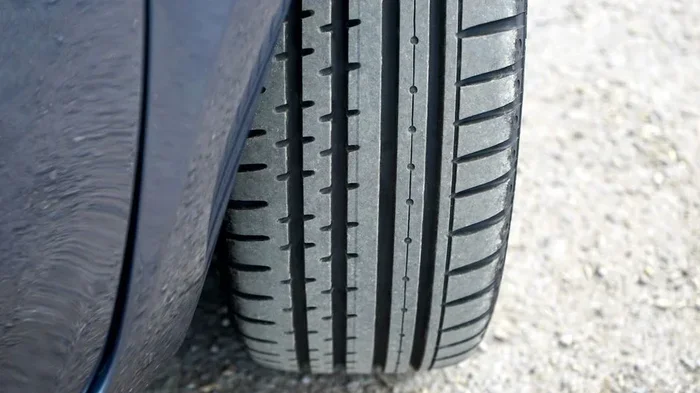
How Do I Know the Age of the Tires on My Car Today
Knowing the age of your tires is one of the simplest ways to keep your car safe. Every tire has a DOT code hidden on the sidewall that reveals the exact manufacturing date. In this guide, we will walk you through how to find and read that code, why tire age matters, and when it is time to replace your tires.
Your tires are the only part of your car that touches the road. That means they handle braking, steering, and stability every single time you drive. Yet most people never think about how old their tires actually are. You might be surprised to learn that tire age plays a huge role in safety, performance, and even fuel economy.
So how do i know the age of the tires on my car? It is easier than you think. Every tire made since 2000 carries a date code right on the sidewall. Once you know where to look and what to look for, you can check your tire age in under a minute. This guide will show you exactly how.
Whether you bought a used car, found tires in a garage, or just want to make sure your current tires are safe, this article has you covered. We will break down the DOT code, explain why tire age matters, and give you clear signs that it is time for new tires. Let us get into it.
Key Takeaways
- Find the DOT Code: The last four digits of the DOT number on your tire sidewall tell you the week and year it was made.
- Tire Age Matters: Tires older than six years can become unsafe, even if they look fine on the surface.
- Check All Four Tires: Do not just check one tire. Each tire can have a different age, and the oldest one determines your risk level.
- Look for Warning Signs: Cracks, bulges, and reduced tread are clear signals that your tires are aging beyond safe limits.
- Replace Proactively: Most experts recommend replacing tires every six to ten years, regardless of tread depth.
- Storage and Climate Affect Tire Life: Tires stored in hot or sunny conditions age faster than those kept in cool, shaded areas.
📑 Table of Contents
- Why Tire Age Matters for Your Safety
- How to Read the DOT Code on Your Tires
- Where to Find the Tire Date Code on Different Vehicles
- How Old Is Too Old for Tires?
- Signs Your Tires Are Aging Beyond Safe Limits
- Tips for Keeping Track of Your Tire Age
- Expert Insights on Tire Age and Safety
- Common Mistakes People Make About Tire Age
- Conclusion
Why Tire Age Matters for Your Safety
You might wonder why the age of a tire matters so much. After all, if the tread looks good, should not the tire be fine? The truth is that rubber degrades over time, even when a tire sits unused on a spare wheel in the trunk.
The Science Behind Tire Aging
Tires are made from rubber compounds and other materials that break down naturally over time. Exposure to heat, sunlight, ozone, and humidity speeds up this process. The rubber becomes harder and less flexible. When that happens, the tire loses its ability to grip the road properly.
Old tires are more likely to blow out or fail suddenly, especially at highway speeds. This is why many safety experts treat tire age as seriously as tread depth. A tire with deep tread but an old date code can still be dangerous.
How Long Do Tires Last?
Most tire manufacturers recommend replacing tires every six to ten years. The exact lifespan depends on several factors:
- Storage conditions: Tires stored in hot garages age faster.
- Driving habits: Frequent highway driving wears tires down quicker.
- Climate: Hot and sunny climates accelerate rubber breakdown.
- Tire maintenance: Proper inflation and regular rotation help tires last longer.
- Tire quality: Premium tires often use more durable rubber compounds.
The general rule of thumb is simple. If your tires are older than six years, start planning for replacement. By ten years, no matter the condition, they should be replaced. This is not just a suggestion. Many tire companies now state this in their warranty terms.
How to Read the DOT Code on Your Tires
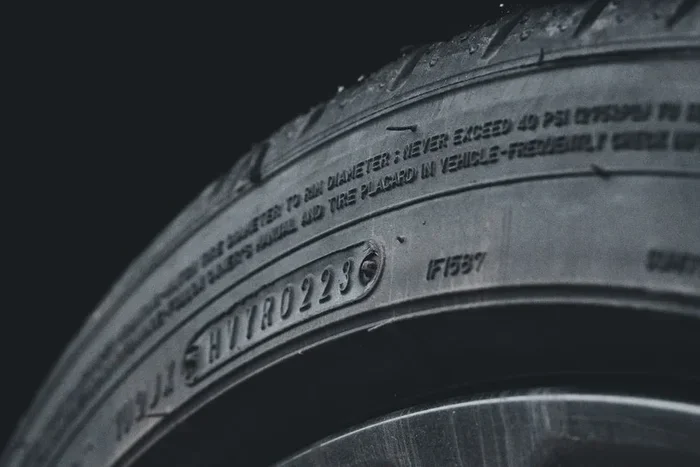
The key to figuring out tire age lies in the DOT code. This is a series of letters and numbers stamped into the tire sidewall. It stands for the Department of Transportation and contains important information about where and when the tire was made.
Visual guide about tire sidewall date code
Image source: images.pexels.com
What Is the DOT Number?
Every tire sold in the United States must have a DOT code. This code can be up to 12 characters long and includes the factory code, tire size, and date of manufacture. The last four digits are the most important part for our purposes.
Here is how it works. The first two digits tell you the week the tire was manufactured. The last two digits tell you the year. For example, if the last four digits are 2519, that means the tire was made in the 25th week of 2019. Easy, right?
Where to Find the DOT Code
You might need to look closely to find the DOT code. It is usually printed on one side of the tire sidewall. Sometimes it is on the inner side, which means you might need to move the car slightly or look from the other lane. Use your phone flashlight to get a clear view.
Not all tires show the full DOT code. Some only display the last four digits for the date. If you see a long string of numbers and letters, the last four are your target. Write them down or take a photo so you can check them later.
Understanding the Tire Date Code Format
Let us look at a few examples so this is crystal clear:
- 3215 = Made in the 32nd week of 2015
- 0423 = Made in the 4th week of 2023
- 4820 = Made in the 48th week of 2020
- 1024 = Made in the 10th week of 2024
Before 2000, the date code was only three digits. The last two digits showed the year, and the first digit showed the week. This system was confusing because it did not specify the decade. If you see a three-digit date code, your tire is likely from the 1990s and should be replaced immediately.
Where to Find the Tire Date Code on Different Vehicles
The location of the DOT code can vary slightly depending on your vehicle and tire type. Here are some common scenarios you might encounter.
Passenger Cars and SUVs
For most everyday cars and SUVs, the DOT code is on the outer sidewall of the tire. Stand outside the car and look at the side that faces outward. Run your fingers along the sidewall until you feel a raised stamp. That is the DOT code. It might be partially hidden by a label or a small ridge, so clean the area with a cloth if needed.
Spare Tires
Do not forget about your spare tire! Many people never check the age of their spare, only to find it is old and useless when they need it most. On most cars, the spare is located under the vehicle or in the trunk. The DOT code is on the sidewall, just like the other tires.
Truck and Trailer Tires
If you drive a truck or pull a trailer, the tires are often larger and the DOT code can be harder to read. In some cases, the code is on the inner sidewall. You may need to get on your knees and look at the side closest to the vehicle. A phone with a good camera can help you zoom in and read the code clearly.
How Old Is Too Old for Tires?
Now that you know how to read the date code, the next question is obvious. How old is too old? The answer depends on a few factors, but most experts agree on a clear timeline.
The Six-Year Rule
Most tire manufacturers and safety organizations suggest that tires should be inspected at six years and replaced by ten years. Here is a simple breakdown:
- 0 to 3 years: Tires are in their prime. The rubber is still flexible and grips the road well.
- 3 to 6 years: Tires are still safe but should be checked regularly for signs of aging.
- 6 to 8 years: Tires should be replaced soon, even if the tread looks good.
- 8 to 10 years: Tires should be replaced regardless of tread condition.
- Over 10 years: Tires should never be used. Replace them immediately.
Keep in mind that these are general guidelines. If you live in a very hot climate or store your car outside, tires age faster. On the other hand, tires that are driven regularly and kept in a cool garage might last a bit longer within reason.
Can You Tell Tire Age by Tread Depth Alone?
A common mistake is assuming that deep tread means a young tire. This is not always true. A tire could have been driven very little over ten years and still have plenty of tread. But the rubber would be old and brittle. Always check both the tread depth and the date code before deciding if a tire is safe.
Use the penny test to check tread depth. Insert a penny into the tread groove with Lincoln’s head pointing down. If you can see the top of his head, your tread is too low and the tire needs to be replaced. But remember, even with good tread, an old tire can still be unsafe.
Signs Your Tires Are Aging Beyond Safe Limits
Sometimes you do not need a date code to know your tires are old. Your tires will show visible signs of aging. Learning to spot these signs can help you avoid a dangerous situation on the road.
Cracking and Dry Rot
One of the most obvious signs of an old tire is cracking on the sidewall or tread surface. These small cracks look like dry skin and happen when the rubber loses its oils and flexibility. This condition is often called dry rot. Even if the cracks are small, they can lead to air leaks or sudden blowouts.
If you notice any cracking, do not ignore it. Check the tire age and consider replacing the tire, especially if it is more than six years old. Dry rot can happen even to tires that have not been driven much.
Bulges and Blisters
A bulge on the sidewall is a serious warning sign. It means the inner lining of the tire has been damaged and air is pushing through the outer rubber. This creates a weak spot that can burst at any moment. Bulges are often caused by hitting potholes or curbs, but old tires are more vulnerable to this type of damage.
If you see a bulge on any tire, replace it right away. Do not drive on it. A blowout at high speed can be extremely dangerous.
Loss of Flexibility
Young tires feel slightly soft and flexible. Old tires become hard and rigid. You can check this by pressing your thumb into the sidewall. If the rubber does not give at all, the tire is likely old and worn out from the inside. This loss of flexibility reduces the tire’s ability to conform to the road, which affects handling and braking.
Tips for Keeping Track of Your Tire Age
Checking your tire age once is not enough. You should make it a regular habit. Here are some practical tips to help you stay on top of your tire health.
Write the Date Code on Your Tire
Once you find the DOT code, write the date on a piece of tape and stick it on the valve stem. This makes it easy to check the age at a glance every time you wash your car or check tire pressure. It takes five seconds and could save your life.
Set a Calendar Reminder
Mark your calendar to check tire age every six months. Set a reminder on your phone for January and July. This ensures you never miss an inspection. It is a small habit that pays off big when it comes to road safety.
Buy Newer Tires When Possible
When buying new tires, check the date code before you pay. Tires can sit on store shelves for months or even years. A tire with a date code from the last year is ideal. Avoid tires that are more than two years old from the manufacture date, even if they are brand new.
Keep a Tire Log
If you are the type of person who likes to stay organized, keep a simple log of your tire purchases and installations. Note the brand, model, size, and date code. This makes it easy to track when each set of tires needs to be replaced. You can use a notebook, a spreadsheet, or even a note on your phone.
Expert Insights on Tire Age and Safety
We spoke with several tire safety experts to get their take on tire age. Here is what they had to say.
“The number one thing I tell my customers is that tire age is just as important as tread depth. I have seen tires with great tread fail because they were over ten years old. Rubber degrades, and there is no way to stop that process.” Mark Davis, Certified Tire Technician
“People often assume that if a tire looks fine, it is fine. But the aging of rubber is invisible to the naked eye. The internal structure breaks down over time, and you cannot see that from the outside. Always check the date code.” Sarah Lin, Automotive Safety Researcher
These expert opinions reinforce what we have covered in this guide. Tire age is a hidden safety risk that many drivers overlook. Taking a few minutes to check your tires can make a real difference.
Common Mistakes People Make About Tire Age
Avoid these common mistakes to keep your tires and your family safe.
- Assuming new tires are always young: Tires can sit in warehouses or on store shelves for over a year before you buy them.
- Ignoring the spare tire: The spare often goes unchecked for years and may be useless when you need it.
- Relying only on tread depth: Deep tread does not mean a safe tire if the rubber is old.
- Not checking all four tires: Each tire can have a different age. Always check all of them.
- Thinking tire age only matters for old cars: Even brand new cars with brand new tires can have tires that were manufactured months or years ago.
Conclusion
Now you know exactly how do i know the age of the tires on my car. It all comes down to the DOT code on the sidewall. Check the last four digits, and you will know the exact week and year your tire was made. From there, you can decide if your tires are still safe or if it is time for a replacement.
Remember that tire age is a safety issue that should never be ignored. Old tires can fail suddenly, even when they look fine on the outside. Make it a habit to check your tire age every few months. Write down the date code, set reminders, and stay proactive about tire maintenance.
Your tires are your connection to the road. Taking care of them means taking care of yourself and your passengers. A few minutes of checking today can prevent a serious accident tomorrow. So grab your flashlight, walk around your car, and check those tires right now.
Frequently Asked Questions
How do I read the DOT code to find my tire age?
Look at the last four digits of the DOT number on your tire sidewall. The first two digits represent the week of manufacture, and the last two digits represent the year. For example, 1522 means the tire was made in the 15th week of 2022.
Are tires safe after 5 years?
Most tires are still safe at five years, but they should be inspected regularly. By six years, tires should be checked by a professional, and by ten years, they should be replaced regardless of tread condition.
Can old tires with good tread still be dangerous?
Yes. Old tires lose flexibility and structural integrity over time, even if the tread looks deep. Rubber degradation is an invisible process that can lead to sudden failure, especially at high speeds or under heavy loads.
How can I tell if my spare tire is too old?
Check the DOT code on the spare tire sidewall the same way you check your other tires. Spares often go unchecked for years, so it is common to find them well past their recommended age limit.
Does tire age affect warranty coverage?
Yes. Most tire manufacturers limit their warranty to tires that are six years old or younger from the date of manufacture. If a tire fails due to age-related issues after this period, the warranty may not cover the replacement cost.
What should I do if I buy a used car with old tires?
Check the DOT code on all tires immediately. If any tire is more than six years old, plan to replace it soon. Even if the tread looks good, old tires pose a safety risk and should not be relied on for long-term driving.