How to Drain Computer Dodge Challenger Reset Properly
Draining the computer on a Dodge Challenger is a simple but powerful reset process that clears error codes, fixes electrical glitches, and restores factory settings. Whether you are dealing with a stubborn check engine light or want to reset the ECU after modifications, this guide walks you through every step safely. You will learn the drain computer Dodge Challenger reset method using battery disconnect, key cycling, and infotainment resets with easy-to-follow instructions.
This is a comprehensive guide about drain computer dodge challenger reset.

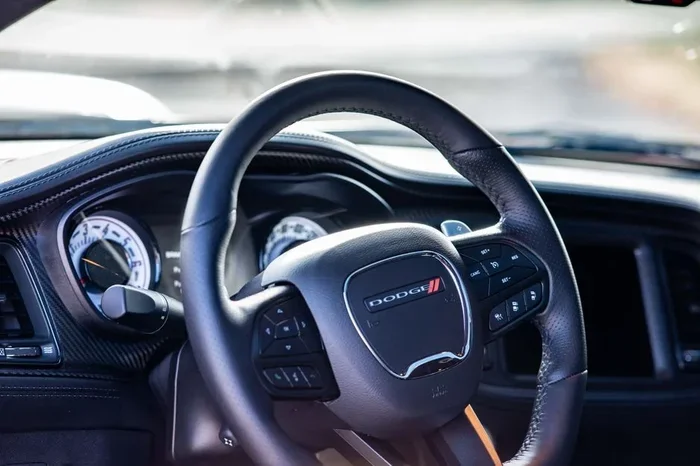
Visual guide about Dodge Challenger dashboard
Image source: images.pexels.com
Key Takeaways
- Draining the computer resets the ECU: This clears stored fault codes and restores default settings on your Dodge Challenger.
- Battery disconnect is the most common method: Simply removing the negative terminal for 15-30 minutes drains residual power from the modules.
- Key cycling offers a quick alternative: Turning the ignition on and off multiple times can reset certain computer modules without disconnecting the battery.
- Infotainment and module resets are separate processes: The Uconnect system and individual modules may need their own reset steps.
- Always reset your clock and radio presets: Draining the computer wipes all saved settings, so be prepared to reconfigure them.
- Wait 10 minutes after disconnecting: This ensures all capacitors fully discharge and the ECU resets completely.
- Reconnect in the correct order: Always attach the positive terminal first and the negative terminal last to avoid electrical surges.
[FEATURED_IMAGE_PLACEHOLDER]
How to Drain Computer Dodge Challenger Reset Properly
Have you ever driven your Dodge Challenger and noticed something just feels off? Maybe the check engine light is on, or the transmission is shifting strangely. Sometimes the fix is simpler than you think. Draining the computer Dodge Challenger reset can clear out old codes, reset learned values, and give your car a fresh start. It is one of the easiest things you can do at home with basic tools and a little patience.
In this guide, we will walk you through every step of the Dodge Challenger ECU reset process. You will learn how to safely disconnect the battery, what to expect during the drain power Dodge Challenger procedure, and how to reconfigure your car afterward. Whether you are a seasoned DIYer or a first-time car owner, this article has everything you need.
The reset car computer Dodge process takes about 30 minutes from start to finish. No expensive trips to the dealership are needed. Let us dive in and get your Dodge Challenger running like new again.
Why You Need to Drain the Computer on a Dodge Challenger
Your Dodge Challenger has multiple computers and modules running behind the scenes. The Engine Control Module (ECM), Transmission Control Module (TCM), and Body Control Module (BCM) all store data. Over time, this data can become outdated or corrupted. A Dodge Challenger computer reset wipes this stored information and forces the system to relearn driving conditions from scratch.
Here are the most common reasons people perform a drain computer Dodge Challenger reset:
- Check engine light keeps returning: Clearing stored fault codes can resolve persistent warning lights.
- Transmission shifting issues: The TCM learns your driving habits and may need a reset after changes.
- After installing aftermarket parts: New intake, exhaust, or tuning setups often require a module reset.
- Electrical gremlins: Random flickering lights or gauge malfunctions sometimes clear after a full power drain.
- Battery replacement: A new battery can trigger error codes until the system recalibrates.
- Before selling or trading in: A factory reset clears personal settings and error history.
Understanding why you are doing this makes the process much easier. It is not just about turning things off and back on. You are giving your Dodge Challenger’s electrical system a clean slate.
What Happens When You Drain the Computer
Before you start, it helps to know exactly what a Dodge Challenger ECU reset does and does not do. This knowledge prevents surprises and helps you prepare properly.
Settings That Get Wiped
When you drain the computer, several systems lose their saved data. The clock will reset to midnight. Your radio presets will disappear. The Dodge Challenger infotainment reset clears saved Bluetooth pairings and navigation preferences. Climate control settings return to factory defaults. Even your personalized driving mode preferences may reset.
Some drivers worry about losing important data. Here is the good news. A reset vehicle computer Dodge does not erase your radio stations permanently. You simply need to reprogram them. The same goes for your clock and Bluetooth connections. It takes about five to ten minutes to get everything back to normal.
What Stays the Same
Your Dodge Challenger’s firmware and software remain untouched. The Dodge Challenger module reset does not update any software or change how your car operates at a fundamental level. Your personalized VIN and calibration data stay intact. The mechanical components of your engine and transmission are not affected either.
Think of it like restarting your phone. All your apps and settings come back, but the system runs cleaner and faster afterward. That is exactly what happens with a drain computer Dodge Challenger reset.
Tools and Safety Tips Before You Start
You do not need fancy equipment to perform a reset car computer Dodge procedure. A few basic tools and some safety awareness are all you need. Let us go over what to prepare before diving in.
Tools You Will Need
- 10mm or 13mm wrench: Most Dodge Challengers use these sizes for battery terminal bolts.
- Battery terminal cleaner: A wire brush helps clean corrosion before reconnecting.
- Memory saver (optional): This small device keeps your radio and clock settings alive during the reset.
- Owner’s manual: Keep it handy for reference on specific module locations.
- Clean cloth: Useful for wiping terminals and keeping the workspace tidy.
Safety Precautions
Working with your car’s electrical system is generally safe, but you should follow a few rules. Never disconnect the battery while the engine is running. Always wear gloves and safety glasses. Keep metal tools away from both terminals at the same time. Dodge Challenger electrical reset procedures are safe when done carefully.
Also, make sure your car is parked on a flat surface with the engine off. Turn the ignition completely off and remove the key. These simple steps prevent accidental shorts or electrical damage during the ECU reset procedure Dodge Challenger.
Step-by-Step Guide: How to Drain Computer Dodge Challenger Reset
Now for the part you have been waiting for. This is the complete walkthrough of the drain computer Dodge Challenger reset process. Follow each step carefully for the best results.
Method 1: Battery Disconnect (Most Effective)
This is the gold standard for a full Dodge Challenger computer reset. It drains power from every module and forces a complete system reboot.
Step 1: Pop the hood and locate the battery. On most Dodge Challengers, it sits in the engine bay on the driver’s side. The battery terminals are marked positive (+) and negative (-).
Step 2: Using your wrench, loosen the negative terminal bolt first. Always disconnect the negative terminal before the positive. This prevents accidental short circuits.
Step 3: Carefully lift the negative cable off the battery post. Tuck it away so it cannot accidentally touch the terminal again.
Step 4: Wait at least 15 minutes. Some experts recommend waiting up to 30 minutes for a complete drain power Dodge Challenger cycle. This allows all capacitors to fully discharge and every module to reset.
Step 5: Reconnect the positive terminal first. Tighten it securely. Then reconnect the negative terminal and tighten that bolt as well.
Step 6: Start the engine and let it idle for 5 minutes. The computer will begin relearning idle parameters and fuel trim values. You may notice the check engine light stays on for a few minutes. This is normal.
Method 2: Key Cycling (Quick Alternative)
If you do not want to disconnect the battery, you can try key cycling. This method works for some Dodge Challenger ECU reset situations but does not drain power from all modules equally.
Step 1: Turn the ignition to the “ON” position without starting the engine. Wait 10 seconds.
Step 2: Turn the ignition completely “OFF.” Wait another 10 seconds.
Step 3: Repeat this cycle three to five times. On the final cycle, start the engine and let it idle for 10 minutes.
This method is faster but less thorough than a full battery disconnect. It works well for minor resets and clearing temporary codes. For a complete Dodge Challenger module reset, the battery disconnect method is always better.
Method 3: Infotainment System Reset
The Uconnect infotainment system on Dodge Challengers sometimes needs its own separate reset. This is especially true if your screen is freezing or Bluetooth connections are failing.
Step 1: Press and hold the volume knob for about 10 seconds. The screen will go dark.
Step 2: Release the knob and wait 30 seconds.
Step 3: Press the volume knob again to restart the system.
For a deeper Dodge Challenger infotainment reset, you can also hold the power button for 20 seconds until the screen turns off completely. Wait a minute and turn it back on.
Comparison: Battery Disconnect vs Key Cycling vs Infotainment Reset
| Feature | Battery Disconnect | Key Cycling | Infotainment Reset |
|---|---|---|---|
| Drains all modules | Yes | Partial | No |
| Time required | 30 min | 5 min | 2 min |
| Clears fault codes | Yes | Sometimes | No |
| Resets radio presets | Yes | No | Yes |
| Best for | Full ECU reset | Minor glitches | Screen issues |
| Difficulty level | Easy | Very easy | Very easy |
For a complete drain computer Dodge Challenger reset, the battery disconnect method is your best bet. It covers every module and delivers the most thorough reset possible.
Common Mistakes to Avoid During the Reset
Even simple procedures can go wrong if you are not careful. Here are the most common mistakes people make when performing a Dodge Challenger electrical reset and how to avoid them.
- Disconnecting the positive terminal first: This can cause sparks and potentially damage the electrical system. Always remove the negative terminal first.
- Not waiting long enough: Rushing the drain process means some modules retain old data. Wait the full 15 to 30 minutes for a proper ECU reset procedure Dodge Challenger.
- Forgetting to reset the clock and radio: These are the first things people notice after a reset. Set aside a few minutes to reprogram them.
- Driving aggressively immediately after reset: The ECU needs time to relearn. Drive gently for the first 50 to 100 miles after a reset car computer Dodge procedure.
- Ignoring persistent warning lights: If the check engine light stays on after a reset, there may be an underlying issue that needs professional diagnosis.
- Using the wrong wrench size: Stripping a bolt makes the process much harder. Double-check your terminal size before starting.
Avoiding these mistakes ensures your Dodge Challenger reset key to success is a smooth, problem-free experience. Take your time and follow each step carefully.
What to Do After the Reset
Your drain computer Dodge Challenger reset is complete. Now what? The first few drives are important for letting the system recalibrate properly.
Immediate Post-Reset Steps
- Check the dashboard: Make sure no warning lights stay on after the engine starts. A brief glow of the check engine light is normal.
- Reset the clock: Adjust the time and date on your infotainment screen.
- Reprogram radio presets: Tune your favorite stations and save them again.
- Reconnect Bluetooth: Pair your phone back with the Uconnect system.
- Check tire pressure: The TPMS light may flash briefly. It should turn off after a few miles of driving.
Driving Tips for the First Week
Your Dodge Challenger’s computer is now relearning your driving patterns. During the first week, avoid heavy acceleration and hard braking. Let the engine warm up fully before driving at high speeds. This allows the Dodge Challenger PCM reset to complete its adaptation cycle properly.
You should notice smoother shifts, better fuel economy, and more responsive throttle within the first 100 miles. The Dodge Challenger ECU reset works best when you give the system time to adapt.
Expert Insights on Dodge Challenger Computer Resets
Automotive technicians who work on Dodge Challengers every day share a few valuable insights about the Dodge Challenger electrical reset process. These tips come from real-world experience and can save you time and frustration.
Tip 1: If your check engine light returns within 48 hours of a reset, there is likely an ongoing issue that a simple reset will not fix. Have a mechanic scan for codes before trying again.
Tip 2: After a Dodge Challenger computer reset, some drivers report slightly different throttle response for the first few days. This is completely normal. The ECU is adapting to your specific driving style and local conditions.
Tip 3: Consider investing in a memory saver device. It costs around $20 and keeps all your settings intact during a full battery disconnect. This is especially helpful for newer Dodge Challengers with complex infotainment systems.
Tip 4: If you are resetting the computer because of a check engine light, get the codes read first. A Dodge Challenger reset key approach works best when you know what you are trying to fix.
Tip 5: For models from 2015 and newer, the Dodge Challenger reset key fob may need to be reprogrammed after a full battery disconnect. Follow the owner’s manual instructions for key fob re-pairing.
Key Takeaways
- Draining the computer resets the ECU: This clears stored fault codes and restores default settings on your Dodge Challenger.
- Battery disconnect is the most common method: Simply removing the negative terminal for 15-30 minutes drains residual power from the modules.
- Key cycling offers a quick alternative: Turning the ignition on and off multiple times can reset certain computer modules without disconnecting the battery.
- Infotainment and module resets are separate processes: The Uconnect system and individual modules may need their own reset steps.
- Always reset your clock and radio presets: Draining the computer wipes all saved settings, so be prepared to reconfigure them.
- Wait 10 minutes after disconnecting: This ensures all capacitors fully discharge and the ECU resets completely.
- Reconnect in the correct order: Always attach the positive terminal first and the negative terminal last to avoid electrical surges.
Conclusion
Performing a drain computer Dodge Challenger reset is one of the most useful skills any Dodge Challenger owner can have. It is simple, fast, and costs nothing but a little of your time. Whether you are clearing stubborn error codes, resetting the ECU after modifications, or just giving your car’s electrical system a fresh start, the process is straightforward and rewarding.
Remember to always disconnect the negative terminal first, wait long enough for a full power drain, and reconnect in the correct order. Take care of your Dodge Challenger ECU reset by following the post-reset driving tips. And do not forget to reprogram your clock, radio, and Bluetooth settings once the process is complete.
Your Dodge Challenger is an incredible machine, and keeping its computer systems running smoothly helps it perform at its best. The next time something feels off, you now know exactly how to handle it. A proper reset car computer Dodge procedure can save you hundreds of dollars in dealership visits and hours of frustration.
Take what you have learned here, gather your tools, and give your Dodge Challenger the fresh start it deserves. Your car will thank you with smoother shifts, better performance, and fewer mysterious warning lights.
Can I drive my Dodge Challenger while draining the computer?
No. Always turn the engine off and remove the key before disconnecting the battery. Driving during a drain computer Dodge Challenger reset can cause electrical damage and unsafe conditions. Make sure the car is completely off and parked on a flat surface before starting the process.
How long should I wait after disconnecting the battery?
Wait at least 15 minutes, though 30 minutes is ideal for a complete Dodge Challenger computer reset. This allows all residual power to drain from the capacitors and every module to fully reset. Waiting longer will not cause any harm and ensures a more thorough reset.
Will draining the computer erase my Dodge Challenger’s warranty?
No. A Dodge Challenger ECU reset does not void your warranty. This is a standard maintenance procedure that does not alter the vehicle’s software or hardware. However, if you are resetting the computer to clear issues caused by aftermarket modifications, that could affect warranty coverage for related components.
What if the check engine light comes back after the reset?
If the light returns within a few days, there is likely an underlying issue the reset did not fix. Use an OBD-II scanner to read the codes again. A simple Dodge Challenger electrical reset clears codes but does not repair mechanical or electrical problems that are causing them.
Do I need any special tools to drain the computer?
No special tools are needed. A basic 10mm or 13mm wrench is all you require to loosen the battery terminal. A memory saver is optional but helpful if you want to preserve your radio presets and clock settings during the Dodge Challenger module reset.
Can I use a memory saver during the drain process?
Yes, and it is actually recommended. A memory saver plugs into the OBD-II port or cigarette lighter and maintains power to your radio, clock, and infotainment system. This means you do not need to reprogram any settings after completing the reset car computer Dodge procedure. It is a small investment that saves a lot of time.
Frequently Asked Questions
What is drain computer dodge challenger reset?
drain computer dodge challenger reset is an important topic with many practical applications.