Towing an Automatic Car Everything You Need to Know
Towing an automatic car requires careful attention to prevent costly transmission damage. Whether you use a tow dolly, flatbed, or tow bar, the method you choose depends on your drivetrain and towing capacity. This guide covers every scenario so you can tow with confidence and keep your vehicle safe.
Towing an automatic car is something many drivers face at some point. Maybe your vehicle broke down on the highway. Maybe you are relocating to a new city. Or perhaps you are heading out on a road trip with a car in tow. Whatever the reason, knowing the right way to tow matters a lot.
Automatic transmissions are more sensitive than manual ones. Towing the wrong way can cause serious and expensive damage. But here is the good news. With the right knowledge and equipment, you can tow safely and keep your car in great shape. This guide walks you through everything you need to know about towing an automatic car.
Key Takeaways
- Always check your vehicle manual before towing an automatic car to understand manufacturer guidelines.
- Flatbed towing is the safest method for automatic transmissions because all wheels remain off the ground.
- Never tow an AWD or 4WD vehicle with wheels on the ground without proper equipment or you risk severe transmission damage.
- Use a tow dolly or tow bar correctly to ensure the drive wheels stay off the road surface.
- Pay attention to odometer readings and towing distance limits set by your vehicle manufacturer.
- Roadside assistance services can help if you are unsure which towing method to use.
- Towing safety should always come first — check lights, brakes, and connections before every trip.
📑 Table of Contents
- Why Towing an Automatic Car Requires Extra Care
- Methods for Towing an Automatic Car
- Towing Capacity and Vehicle Limits
- Step-by-Step Guide to Towing an Automatic Car Safely
- Common Mistakes When Towing an Automatic Car
- Expert Insights on Towing Automatic Transmissions
- Quick Tips for Towing Success
- Conclusion
Why Towing an Automatic Car Requires Extra Care
Automatic cars use a complex system of gears, clutches, and fluid to shift smoothly. When the engine is off and the wheels are turning, the transmission still spins. Without proper lubrication, internal parts can grind and wear out fast. This is why towing method matters so much.
Many people assume all cars tow the same way. That is not true. A manual transmission car can often be towed with all four wheels on the ground. An automatic car usually cannot. The drivetrain type — front-wheel drive, rear-wheel drive, all-wheel drive, or four-wheel drive — determines your towing options.
How Your Drivetrain Affects Towing
Your drivetrain decides which wheels receive power from the engine. This directly impacts how you should tow your vehicle.
- Front-wheel drive (FWD): The front wheels pull the car. When towing, the front wheels must stay off the ground to avoid transmission damage.
- Rear-wheel drive (RWD): The rear wheels push the car. These also need to be lifted during towing to protect the drivetrain.
- All-wheel drive (AWD): All wheels receive power. AWD vehicles should almost always be transported on a flatbed.
- Four-wheel drive (4WD): Similar to AWD. The transfer case and transmission are both at risk if wheels spin on the ground.
Always consult your vehicle manual before deciding on a towing method. The manual will specify your towing capacity and approved towing procedures.
Methods for Towing an Automatic Car
There are three main ways to tow an automatic car. Each method has its pros and cons. Choosing the right one depends on your vehicle type, budget, and situation.

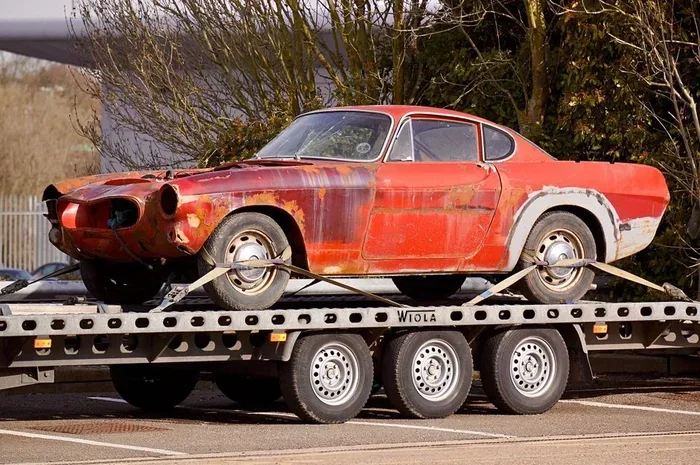
Visual guide about automatic car flatbed tow
Image source: images.pexels.com
Flatbed Towing
Flatbed towing is widely considered the gold standard for automatic vehicles. The entire car sits on the flatbed trailer. All four wheels are off the ground. This means the transmission, drive shaft, and wheels do not spin at all during transport.
Pros:
- Safest method for all drivetrain types
- Zero risk of transmission damage
- Works for AWD, 4WD, FWD, and RWD vehicles
- Ideal for long-distance towing
Cons:
- Requires a flatbed truck or trailer
- More expensive than other methods
- Not always available in rural areas
If you have the option, flatbed towing is the best choice. Many roadside assistance services offer flatbed trucks. This is especially helpful after a breakdown or accident.
Tow Dolly Towing
A tow dolly is a small trailer that lifts the front wheels off the ground. The rear wheels remain on the road. This method works well for front-wheel drive automatic cars.
When using a tow dolly, the front wheels sit on the dolly while the back wheels roll freely. Because the driven wheels are off the ground, the transmission stays protected.
Important tips for tow dolly use:
- Always strap the vehicle securely to the dolly
- Check that the dolly weight rating matches your car
- Make sure the rear wheels are properly aligned
- Use safety chains and breakaway cables
- Keep towing distances under the manufacturer-recommended limit
Tow dollies are a popular choice for RV enthusiasts and people moving homes. They are more affordable than flatbeds and widely available for rent.
Tow Bar Towing (Flat Towing)
Tow bar towing, also called flat towing or four-down towing, connects the towed car directly to the towing vehicle with a rigid bar. All four wheels stay on the ground. This method is common with motorhomes and RVs.
However, flat towing an automatic car comes with strict rules. Only certain vehicles can be flat-towed safely. The vehicle manual will specify if flat towing is approved. Some automatic cars can be flat-towed if the ignition is in a specific position and the steering is unlocked.
Warning: Never flat-tow an AWD or 4WD vehicle. Doing so will cause severe transmission damage because all wheels are spinning the drivetrain.
Always verify your vehicle’s flat towing approval before hitting the road. Using the wrong method can lead to thousands of dollars in repairs.
Towing Capacity and Vehicle Limits
Every vehicle has a towing capacity. This is the maximum weight a car can safely tow. Exceeding this limit strains the engine, brakes, and transmission.
Your towing capacity depends on several factors:
- Engine size and power
- Transmission type and condition
- Brake system strength
- Suspension and frame design
- Manufacturer specifications
You can find your towing capacity in the owner’s manual or on the manufacturer’s website. Never guess this number. Overloading your vehicle during towing creates dangerous driving conditions and risks mechanical failure.
When choosing a recovery vehicle or tow truck, make sure it can handle the weight of your automatic car. A light-duty tow truck may not be enough for larger SUVs or trucks.
Step-by-Step Guide to Towing an Automatic Car Safely
Follow these steps to ensure a safe and smooth towing experience.
- Read the vehicle manual. Check for towing guidelines, transmission requirements, and distance limits.
- Choose the right towing method. Match the method to your drivetrain type and situation.
- Inspect all towing equipment. Check the tow dolly, tow bar, hitch, chains, and straps for wear and damage.
- Secure the vehicle properly. Use ratchet straps and safety cables. Double-check every connection.
- Test the lights and signals. Make sure brake lights, turn signals, and tail lights work on the towed vehicle.
- Drive carefully. Avoid sudden stops, sharp turns, and highway speeds until you are comfortable with the setup.
- Monitor the towed vehicle. Check for unusual sounds, vibrations, or movement during the trip.
Taking these precautions reduces the risk of accidents and protects both vehicles during transport.
Common Mistakes When Towing an Automatic Car
Even experienced drivers make towing mistakes. Here are the most common ones to avoid.
Ignoring the Vehicle Manual
The vehicle manual contains critical towing information specific to your car. Skipping this step can void your warranty and lead to expensive repairs. Always read the manual first.
Towing with the Wrong Drivetrain Setup
Towing an AWD car with wheels on the ground is one of the most damaging things you can do. The drive shaft keeps spinning, which starves the transmission of lubrication. This causes overheating and internal wear.
Overloading the Tow Vehicle
Every tow setup has a weight limit. Exceeding it puts stress on the tow vehicle’s engine and brakes. It also makes the towed car harder to control. Stay within your towing capacity at all times.
Skipping Safety Checks
Loose straps, missing chains, or broken lights can cause serious accidents. Always perform a full safety check before every towing trip. It takes five minutes and could save lives.
Exceeding Towing Distance Limits
Some automatic vehicles have distance limits when towed with certain methods. For example, flat towing may be approved only for short distances. Going beyond the limit can overheat the transmission. Check the manual for these restrictions.
Expert Insights on Towing Automatic Transmissions
Automotive experts agree that prevention is the best approach to transmission damage during towing. Here is what the pros recommend.
Keep the transmission fluid topped up. Low fluid levels increase friction and heat. Before any towing trip, check your transmission fluid and top it off if needed.
Use a lubrication pump for long tows. Some tow companies install a portable lubrication pump that keeps the transmission fluid circulating even when the engine is off. This is especially useful for rear-wheel drive and four-wheel drive vehicles.
Limit flat towing distance. Even if your vehicle manual approves flat towing, keep the distance as short as possible. Longer distances increase wear on the transmission components.
Invest in a quality tow hitch. A reliable tow hitch ensures a secure connection between vehicles. Look for hitches rated for your vehicle’s weight class. A cheap hitch can fail on the highway.
Consider professional roadside assistance. If you are ever unsure about the right towing method, call a professional. Roadside assistance teams have the experience and equipment to tow your automatic car safely.
Quick Tips for Towing Success
- Always tow with the ignition in the accessory or on position to allow steering and braking to function.
- Keep the towed car’s odometer in mind — some warranties cover only a certain number of towing miles.
- Use wheel chocks when loading or unloading the car on a tow dolly or flatbed.
- Practice towing in a safe, empty area before hitting public roads.
- Carry a basic emergency kit in both the tow vehicle and the towed car.
- Check local towing regulations before traveling across state or country borders.
Conclusion
Towing an automatic car does not have to be stressful or risky. The key is understanding your vehicle, choosing the right method, and following safety guidelines every step of the way. Flatbed towing offers the most protection, while tow dollies and tow bars provide practical alternatives when used correctly.
Always read your vehicle manual. Know your drivetrain type. Respect your towing capacity. And when in doubt, call a professional for help. Taking these simple steps protects your automatic transmission and keeps you safe on the road.
With the right preparation and a little care, you can tow your automatic car confidently and arrive at your destination without any headaches.
Frequently Asked Questions
Can I tow an automatic car with all four wheels on the ground?
It depends on your drivetrain. Front-wheel drive and rear-wheel drive automatic cars can sometimes be flat-towed if the manufacturer approves it. However, AWD and 4WD automatic vehicles should never be towed with all wheels on the ground. Always check your vehicle manual first.
What is the safest way to tow an automatic car?
Flatbed towing is the safest method. It lifts all four wheels off the ground, preventing any strain on the transmission. This method works for every drivetrain type and is recommended by most automotive experts.
How far can I tow an automatic car with a tow dolly?
Most manufacturers allow unlimited distance when using a tow dolly for front-wheel drive automatic cars. However, always check your vehicle manual for specific towing distance limits and guidelines.
Do I need special equipment to tow an automatic car?
Yes, you need the right equipment based on your towing method. This includes a flatbed trailer, tow dolly, tow bar, hitch, safety chains, and ratchet straps. Using proper equipment protects both vehicles during transport.
Will towing damage my automatic transmission?
Towing can damage an automatic transmission if done incorrectly. Towing with the wrong drivetrain setup or exceeding towing limits causes overheating and internal wear. Following the correct method prevents almost all transmission damage.
Should I call roadside assistance for towing an automatic car?
If you are unsure about the right towing method, roadside assistance is a smart choice. Professional teams know how to handle automatic cars safely and have the proper equipment to avoid costly repairs.