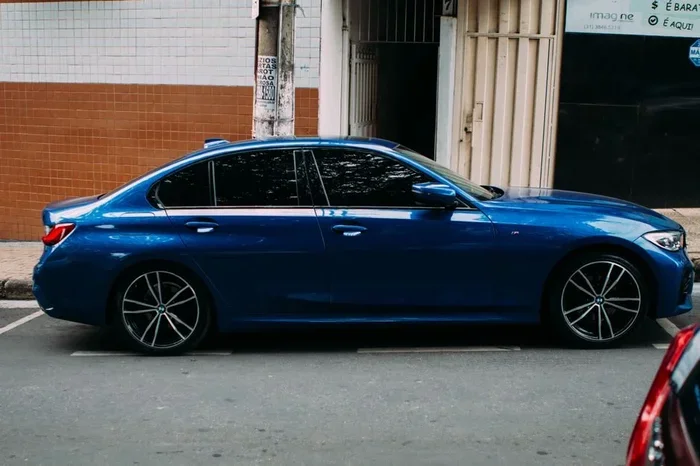
Everything You Need to Know About 35 Percent Window Tint
35 percent window tint is a popular choice for car and home owners who want a balanced mix of style, comfort, and protection. It blocks a significant amount of UV rays, reduces solar heat, and cuts glare without making your windows too dark. This shade falls within legal limits in most states, making it a practical and versatile option. Whether you are tinting for comfort or privacy, 35 percent window tint delivers solid results.
If you have been thinking about tinting your windows, 35 percent window tint is probably on your shortlist. It is one of the most popular shades available, and for good reason. This level of darkness strikes a sweet spot between style and function.
Unlike darker tints that can make your car feel like a cave, 35 percent window tint keeps your view clear while still offering real benefits. You get UV protection, heat reduction, and a sleek look without crossing legal lines in most states.
Whether you are tinting a sedan, SUV, or even your home windows, this guide covers everything you need to know. We will walk you through the benefits, the laws, the costs, and how to pick the right film for your needs.
Key Takeaways
- 35 Percent Window Tint Offers Great Balance: It provides UV protection, heat rejection, and glare reduction while staying within legal limits in most areas.
- Legal in Most States: 35 percent tint generally meets front side window regulations across the US, making it a safe choice for car owners.
- Cost-Effective Upgrade: The price typically ranges from $100 to $400, depending on vehicle type and film quality.
- Multiple Benefits: Beyond style, it protects your skin, preserves your interior, and keeps your cabin cooler.
- Professional Installation Recommended: While DIY kits exist, a pro ensures a bubble-free, long-lasting finish.
- Not the Darkest Option: If you want maximum privacy or heat rejection, darker tints like 20 percent may be better.
📑 Table of Contents
- What Is 35 Percent Window Tint?
- Benefits of 35 Percent Window Tint
- 35 Percent Tint Laws and Legal Limits
- 35 Percent Tint vs. Other Darkness Levels
- How Much Does 35 Percent Window Tint Cost?
- Tips for Choosing and Installing 35 Percent Tint
- Common Mistakes to Avoid with 35 Percent Window Tint
- Frequently Asked Questions
- Final Thoughts
What Is 35 Percent Window Tint?
35 percent window tint refers to the amount of visible light that passes through your window film. The number represents the VLT, or visible light transmission percentage. A 35 percent tint means that 35 percent of light gets through, and 65 percent gets blocked.
Think of it like sunglasses for your windows. The lower the number, the darker the tint. A 5 percent tint is very dark and barely lets light through. A 50 percent tint is light and almost clear. 35 percent window tint sits right in the middle, offering a medium shade that looks great and works well.
Understanding VLT and Tint Darkness Levels
The VLT scale is how the window tinting industry measures darkness. Every state has its own rules about how dark your tint can be. Most states allow a certain VLT percentage for front side windows, rear side windows, and rear windshields. 35 percent window tint typically falls within the legal range for front side windows in most states. This makes it a go-to choice for people who want a darker look without worrying about getting pulled over.
How 35 Percent Tint Looks in Real Life
When you look at a window with 35 percent window tint, you will notice a subtle, smoky appearance. It is not super dark, but it is clearly tinted. From the outside, it gives your vehicle or home a polished, finished look. From the inside, you can still see out clearly, which is important for safety and driving confidence.
Many people choose this shade because it looks modern without being too aggressive. It works well on all types of vehicles, from trucks and SUVs to sedans and minivans. For homes, it adds a clean, uniform look to large windows and glass doors.
Benefits of 35 Percent Window Tint
35 percent window tint offers a wide range of benefits that go beyond just looks. Let us break down why so many people choose this shade.
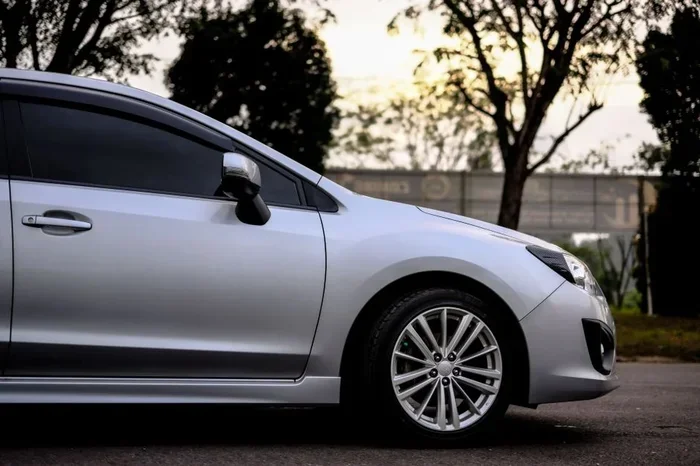
Visual guide about car window tint
Image source: images.pexels.com
UV Protection and Skin Safety
One of the biggest reasons people tint their windows is for UV protection. Harmful ultraviolet rays can cause skin damage and increase your risk of skin cancer. 35 percent window tint blocks a large portion of UV rays, protecting you and your passengers during every drive. This is especially important for people who spend a lot of time in their cars.
For homes, UV tinting helps protect your furniture, flooring, and curtains from fading. The sun can do serious damage to your interior over time, and a good window film slows that process down significantly.
Heat Rejection and Cabin Comfort
Have you ever sat in a hot car and felt like the steering wheel was going to melt? 35 percent window tint helps with that. It rejects a good amount of solar heat, keeping your cabin temperature more comfortable. In the summer, this can make a huge difference in how bearable your car feels.
Less heat also means less reliance on your air conditioning. That can improve your fuel economy over time, which is a nice bonus. For homes, heat-rejecting window film can lower your cooling bills during the hot months.
Glare Reduction for Safer Driving
Glare from the sun or headlights at night can be dangerous. It strains your eyes and makes it harder to see the road. 35 percent window tint cuts down on glare significantly, making your driving experience safer and more comfortable. You will notice the difference right away, especially on bright, sunny days or during late afternoon drives.
Privacy and Aesthetic Appeal
Let us be honest, a lot of people tint their windows because it looks cool. 35 percent window tint gives you a nice level of privacy without going too dark. People on the outside cannot easily see into your car or home, but you can still see out clearly.
For automotive tinting, this shade adds a sleek, finished appearance to any vehicle. For residential window tint, it gives your home a modern, uniform look. It is one of those upgrades that makes everything feel more polished.
35 Percent Tint Laws and Legal Limits
Window tint laws vary from state to state, and they can be confusing. The key thing to know is that 35 percent window tint is generally legal for front side windows in most US states. However, some states have stricter rules, so you always need to check your local regulations before getting your windows tinted.
Front Side Window Rules
Most states require that front side windows allow at least 35 to 50 percent of visible light to pass through. This means 35 percent window tint is usually right at the edge of what is allowed. In some states, you need your front windows to be at 50 percent VLT or higher, which would make 35 percent too dark for the front doors.
Always check with your local Department of Motor Vehicles or a reputable tint shop before installation. They will know the exact legal tint limit for your area. Getting a ticket for illegal tinting is expensive and annoying, so do your homework first.
Rear and Rear Side Window Rules
Rear side windows and rear windshields often have different rules than front side windows. Many states allow darker tint on the rear windows, which means 35 percent window tint is almost always legal back there. Some states allow any darkness on rear windows as long as you have dual side mirrors.
If you are tinting a family vehicle, this is good news. You can get a darker shade on the back windows for kids and pets while staying compliant with front window laws.
35 Percent Tint vs. Other Darkness Levels
Not all tint shades are created equal. Let us compare 35 percent window tint to other popular options so you can make an informed choice.
Comparing 20, 35, and 50 Percent Tint
20 percent tint is noticeably darker. It offers better privacy and more heat rejection, but it can be too dark for some people. In many states, 20 percent tint is illegal on front side windows. It is a popular choice for rear windows and custom builds.
35 percent tint is the middle ground. It gives you a darker look than 50 percent while staying legal in more places. It balances style, comfort, and compliance really well.
50 percent tint is lighter and almost clear. It still blocks UV rays and reduces heat, but the privacy and style benefits are less noticeable. It is a good choice if you want a subtle upgrade without a dramatic change in appearance.
Which Darkness Is Right for You?
The right shade depends on your goals. If you want maximum heat rejection and privacy, go darker. If you want to stay legal everywhere and keep a clear view, 35 percent window tint is a great pick. Most people find that 35 percent hits the perfect balance for everyday driving and home use.
| Shade | Light Transmission | Privacy Level | Heat Rejection | Legal for Front Windows? |
|---|---|---|---|---|
| 20 Percent | Low | High | Excellent | Varies by State |
| 35 Percent | Medium | Moderate | Very Good | Yes (Most States) |
| 50 Percent | High | Low | Good | Yes (Most States) |
How Much Does 35 Percent Window Tint Cost?
The cost of 35 percent window tint can vary quite a bit depending on several factors. On average, you can expect to pay between $100 and $400 for a full car tint job. For homes, the price depends on the number and size of windows.
Factors That Affect Pricing
The type of film you choose is the biggest factor. Basic dyed film is the cheapest but may fade over time. Carbon and ceramic films cost more but last longer and perform better. Ceramic film offers the best heat rejection and does not interfere with electronic signals, which is a big plus for modern cars with GPS, Bluetooth, and backup cameras.
Other factors include the size of your vehicle, the number of windows, and the quality of the installation. A professional job will always cost more than a DIY kit, but the results are usually much better. You get fewer bubbles, a cleaner finish, and a warranty that gives you peace of mind.
Is It Worth the Investment?
Absolutely. 35 percent window tint pays for itself over time. You save on fuel by reducing your AC usage. You protect your skin from harmful UV exposure. You preserve your car’s interior and your home’s furnishings. And you add resale value to your vehicle. When you add all of that up, the cost is very reasonable.
Tips for Choosing and Installing 35 Percent Tint
Getting the most out of your tint comes down to a few smart choices. Here is what you need to know before you commit.
Picking the Right Film Type
Not all window film is the same. There are three main types you will encounter when shopping for 35 percent window tint:
- Dyed Film: The most affordable option. It looks good but may fade over time and offers basic heat rejection.
- Carbon Film: A step up in quality. It does not fade and provides better heat rejection than dyed film.
- Ceramic Film: The premium choice. It offers the best heat rejection, UV protection, and clarity. It also does not interfere with electronics.
For most people, carbon or ceramic film is the best value. The upfront cost is higher, but the durability and performance make it worth it in the long run.
Professional vs. DIY Installation
You can buy DIY tint kits and install them yourself. This can save you money, but it comes with risks. If the film gets bubbles, dust, or creases, you will have a messy look that is hard to fix. Professional installers have the tools, experience, and clean environments to do the job right.
If you do go the DIY route, make sure you choose a high-quality film and follow the instructions carefully. Clean your windows thoroughly, work in a dust-free area, and take your time. Rushing the job is the number one mistake people make with aftermarket tint.
Common Mistakes to Avoid with 35 Percent Window Tint
Even experienced tint buyers can make mistakes. Here are a few to watch out for.
First, do not skip the research on your state’s laws. What is legal in one state may not be legal in another. Getting caught with illegal tint can result in fines and even a ticket to fix it.
Second, do not cheap out on the film quality. A low-quality dyed film may look fine at first, but it can bubble, peel, and fade within a year or two. Investing in a better film upfront saves you money and headaches down the road.
Third, do not ignore the aftercare instructions. Most tint shops will tell you to wait a few days before rolling down your windows. Skipping this step can cause the film to peel or shift before it has fully cured.
Frequently Asked Questions
Is 35 percent window tint legal everywhere?
35 percent window tint is legal for front side windows in most US states, but not all. Some states require front windows to have a higher VLT, such as 50 or 70 percent. Always check your specific state and local laws before getting your windows tinted. A quick search for your state’s tint laws or a call to your local DMV will give you the exact rules.
Can you see through 35 percent tint at night?
Yes, 35 percent window tint is still fairly easy to see through at night. Because it allows 35 percent of visible light to pass through, you will have a clear view of the road and surroundings. However, darker tints like 20 percent can be harder to see through in low-light conditions. For nighttime driving, 35 percent is a comfortable and safe choice.
How long does 35 percent window tint last?
The lifespan of your tint depends on the film type and quality of installation. A good ceramic or carbon film can last 10 to 15 years or even longer. Basic dyed film may last 3 to 5 years before showing signs of fading or bubbling. Professional installation and proper aftercare will help your tint last as long as possible.
Can you tint your own windows with 35 percent film?
Yes, DIY tint kits are widely available for 35 percent window tint. These kits come with pre-cut film and application solution. However, DIY installation requires patience and a clean workspace. If you are not experienced, the results may not be as smooth as a professional job. For the best finish, consider hiring a pro, especially for curved or large windows.
Does 35 percent tint block UV rays?
Yes, most quality window films block 99 percent of UV rays regardless of the shade darkness. This means 35 percent window tint provides excellent UV protection. This is one of the biggest health benefits of tinting your windows, whether it is for your car or your home.
Is 35 percent tint good for heat rejection?
35 percent window tint offers very good heat rejection, especially if you choose a carbon or ceramic film. These advanced films can reject up to 60 to 70 percent of solar heat. This keeps your car or home cooler and more comfortable, especially during hot summer months.
Final Thoughts
35 percent window tint is one of the best choices you can make for your car or home. It offers a great balance of style, comfort, protection, and legal compliance. Whether you are looking to block UV rays, reduce heat, cut glare, or just add a sleek look to your vehicle, this shade delivers on all fronts.
Take the time to research your state laws, pick a quality film, and choose a reputable installer. The small upfront investment pays off in comfort, protection, and long-term value. With the right approach, your 35 percent window tint will look great and perform well for many years to come.
Now that you have all the information you need, it is time to take action. Talk to a local tint shop, compare your options, and enjoy the benefits of a professionally tinted ride or home.