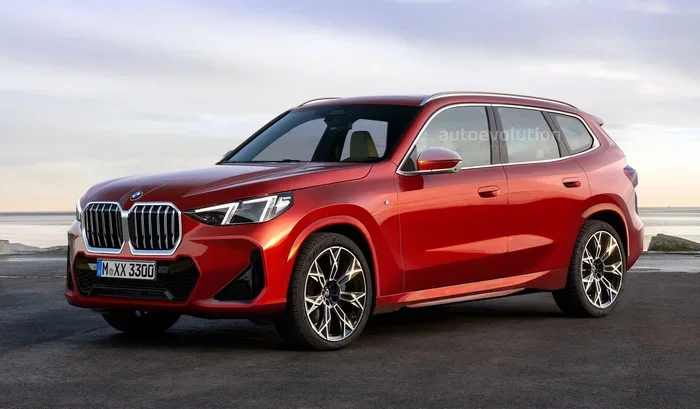
BMWs Corporate Social Responsibility and Community Grants
BMW’s corporate social responsibility and community grants focus on sustainability, education, and social impact worldwide. The BMW Group Foundation drives major charitable initiatives, from STEM programs to environmental projects. Their community grants empower local organizations and support diversity, inclusion, and long-term development in cities where BMW operates.
BMW is known worldwide for luxury cars, cutting-edge engineering, and innovative technology. But behind the sleek designs and powerful engines lies something equally impressive. BMW’s corporate social responsibility and community grants shape communities around the globe. The company invests millions every year in programs that support education, sustainability, and social equity. If you think BMW only cares about selling cars, think again.
From youth STEM programs to environmental conservation projects, BMW’s social impact efforts are vast and meaningful. The BMW Group Foundation leads many of these initiatives, working hand-in-hand with local nonprofits, governments, and community leaders. This article explores everything you need to know about BMW’s charitable work, how their community grants function, and why it matters.
Whether you are a car enthusiast, a community organizer, or simply curious about corporate philanthropy, this guide covers it all. Let us dive into the world of BMW’s social responsibility and discover how the brand gives back.
Key Takeaways
- BMW’s CSR strategy centers on sustainability, education, and social inclusion across global communities.
- The BMW Group Foundation funds major philanthropic programs in health, mobility, and youth development.
- Community grants support local nonprofits working on environmental conservation and social equity.
- STEM education initiatives help underrepresented groups access careers in technology and engineering.
- BMW’s environmental responsibility includes carbon-neutral manufacturing and green mobility investments.
- Employee volunteer programs encourage team members to give back to their local communities.
- Corporate giving at BMW goes beyond donations — it builds lasting partnerships and measurable social outcomes.
📑 Table of Contents
- What Is BMW’s Corporate Social Responsibility?
- The BMW Group Foundation and Its Mission
- Understanding BMW’s Community Grants
- BMW’s Commitment to Sustainability and Environmental Responsibility
- BMW’s Support for Education and Youth Development
- BMW’s Community Impact Around the World
- Employee Volunteer Programs and Corporate Culture
- How BMW’s CSR Compares to Other Automakers
- Final Thoughts on BMW’s Corporate Social Responsibility
What Is BMW’s Corporate Social Responsibility?
Corporate social responsibility (CSR) means companies taking accountability for their impact on society. BMW takes this seriously. Their CSR strategy focuses on three core pillars: sustainability, education, and community development. These pillars guide every major decision the company makes regarding social investment.
BMW believes that a successful business must also be a responsible citizen. This philosophy shapes their approach to philanthropy, environmental stewardship, and ethical business practices. The company tracks its progress through detailed annual reports and transparent goals. This level of accountability sets BMW apart from many automakers.
The Three Pillars of BMW’s CSR
BMW organizes its social responsibility efforts around three main areas:
- Sustainability: Reducing carbon emissions, promoting electric mobility, and supporting green manufacturing. BMW aims for carbon neutrality across its operations worldwide.
- Education: Funding STEM programs, scholarships, and vocational training. BMW helps young people — especially those from underrepresented groups — build careers in technology and engineering.
- Community Development: Supporting local organizations through grants, partnerships, and volunteer programs. BMW invests in neighborhoods where it operates, addressing housing, health, and social equity.
These pillars work together to create a holistic approach to giving. Instead of treating CSR as an afterthought, BMW weaves it into the fabric of the business.
The BMW Group Foundation and Its Mission
The BMW Group Foundation serves as the primary vehicle for BMW’s philanthropic efforts. Established decades ago, the foundation focuses on advancing social progress through targeted investments. It operates independently but aligns closely with BMW’s overall corporate strategy.
The foundation supports projects in several key areas, including youth empowerment, social mobility, and cultural enrichment. It funds both large-scale initiatives and grassroots organizations. This dual approach ensures that BMW’s giving reaches both global and local levels.
Key Programs Funded by the Foundation
The BMW Group Foundation runs several flagship programs that demonstrate its commitment to social good:
- STEM Education Programs: These initiatives provide hands-on learning experiences for young people interested in science, technology, engineering, and math. BMW partners with schools and universities to create real-world learning opportunities.
- Social Inclusion Projects: The foundation funds programs that support people with disabilities, refugees, and other marginalized groups. These projects focus on employment, housing, and access to services.
- Cultural and Arts Grants: BMW supports museums, cultural institutions, and arts education programs. The company believes that creativity and innovation go hand in hand.
- Environmental Conservation: The foundation invests in projects that protect natural habitats, promote clean energy, and combat climate change.
Each program is designed to create lasting change, not just short-term relief. BMW measures the impact of its foundation’s work through rigorous evaluation methods.
Understanding BMW’s Community Grants
Community grants are one of the most direct ways BMW supports local organizations. These grants provide funding to nonprofits, schools, and community groups working on the ground. Unlike large-scale foundation programs, community grants focus on hyper-local impact.
BMW offers community grants in regions where it has a significant presence. This means cities with BMW factories, offices, or major operations often receive priority. The grants range from small funding amounts for local projects to larger investments for multi-year initiatives.
Who Can Apply for BMW Community Grants?
Community grants are open to a wide range of organizations:
- Nonprofit organizations: Charities and NGOs working in education, environment, or social services.
- Educational institutions: Schools, colleges, and universities running programs that align with BMW’s CSR goals.
- Community groups: Local organizations focused on neighborhood development, housing, or youth engagement.
- Environmental groups: Organizations working on conservation, sustainability, or clean energy projects.
BMW looks for organizations that demonstrate clear goals, measurable outcomes, and community need. The application process typically involves submitting a proposal, budget, and impact plan. Organizations that align with BMW’s values around sustainability and education tend to receive stronger consideration.
How BMW Selects Grant Recipients
The selection process for community grants is structured and transparent. BMW evaluates applicants based on several criteria:
- Alignment with BMW’s CSR goals: Projects must connect to sustainability, education, or social inclusion.
- Potential for measurable impact: BMW favors organizations that can demonstrate clear outcomes.
- Community need: Projects that address urgent local challenges receive priority.
- Organizational capacity: BMW looks for groups with the infrastructure to execute their plans effectively.
- Innovation: Creative approaches to solving social problems stand out in the review process.
This thorough evaluation ensures that BMW’s grant money creates real, lasting impact in the communities it serves.
BMW’s Commitment to Sustainability and Environmental Responsibility
Environmental sustainability sits at the heart of BMW’s CSR strategy. The company has made bold commitments to reduce its environmental footprint. From manufacturing to end-of-life vehicle recycling, BMW considers sustainability at every stage.
One of BMW’s most significant environmental initiatives involves electric mobility. The BMW i5 and other electric vehicles represent the company’s push toward cleaner transportation. BMW’s investment in electric vehicle technology directly supports its environmental responsibility goals. The company aims to increase the share of electric vehicles in its sales mix significantly over the coming years.
Green Manufacturing Practices
BMW factories around the world follow strict environmental standards. Key practices include:
- Using renewable energy sources in production facilities
- Reducing water consumption through recycling systems
- Minimizing waste through circular economy principles
- Implementing energy-efficient manufacturing processes
BMW also invests in research for sustainable materials. The company explores alternatives to traditional plastics and metals, reducing the environmental cost of vehicle production. These efforts demonstrate that BMW takes its environmental responsibilities seriously — not just in marketing, but in daily operations.
Comparing BMW’s Environmental Efforts with Other Automakers
While many automakers claim to care about sustainability, BMW’s approach stands out in several ways:
| Aspect | BMW | Industry Average |
|---|---|---|
| Renewable energy in manufacturing | High adoption across global plants | Variable, often limited |
| Electric vehicle lineup | Extensive (i-series, electrified models) | Growing but inconsistent |
| Community environmental grants | Dedicated funding for green projects | Limited or nonexistent |
| Carbon neutrality goals | Targeted across full value chain | Varies by company |
This comparison shows that BMW leads in several areas of environmental responsibility. Their commitment goes beyond compliance — it is part of the company’s identity.
BMW’s Support for Education and Youth Development
Education is one of BMW’s strongest focus areas in its CSR strategy. The company believes that investing in young people creates long-term positive change. BMW’s educational initiatives span from primary school programs to university partnerships.
One of the most impactful areas is STEM education. BMW funds programs that introduce students to science, technology, engineering, and math at an early age. These programs often target girls and other underrepresented groups, helping to close the gap in tech careers.
BMW’s Partnership with Schools and Universities
BMW partners with educational institutions worldwide to create meaningful learning experiences:
- Internship programs: BMW offers students real-world work experience at its facilities, giving them hands-on skills and career exposure.
- Scholarship programs: Financial support helps students pursue degrees in engineering, technology, and related fields.
- Curriculum development: BMW works with educators to create engaging STEM curricula that inspire the next generation of innovators.
- Mentorship programs: BMW employees volunteer as mentors, guiding students through their academic and career journeys.
These programs do more than provide funding. They build relationships, create opportunities, and open doors for young people who might otherwise lack access to the tech industry.
BMW’s Community Impact Around the World
BMW operates in dozens of countries, and its community impact reflects this global reach. The company tailors its CSR efforts to meet the specific needs of each region. This localized approach ensures that BMW’s giving addresses real, pressing challenges in every community it serves.
In India, for example, BMW has invested in local infrastructure and community development projects. The company’s presence in the Indian market, including models like the BMW M3 G80, comes with a responsibility to give back. BMW’s community programs in India focus on education, road safety, and environmental awareness.
In Europe, BMW’s CSR efforts often center on sustainability and cultural preservation. The company supports projects that protect historical sites and promote green mobility. In North America, BMW focuses on STEM education and social inclusion initiatives.
BMW’s Approach to Diversity and Inclusion
Diversity and inclusion are central to BMW’s community strategy. The company works to ensure that its programs benefit people of all backgrounds, abilities, and identities. Key initiatives include:
- Funding programs that support people with disabilities in the workplace
- Partnering with organizations that advocate for racial and gender equality
- Creating scholarship opportunities for students from underserved communities
- Supporting refugee integration through employment and education programs
BMW understands that true social impact requires addressing systemic inequalities. The company does not just write checks — it builds partnerships and creates pathways for lasting change.
Employee Volunteer Programs and Corporate Culture
BMW’s CSR extends beyond financial investments. The company actively encourages its employees to volunteer their time and skills. BMW’s employee volunteer programs allow team members to contribute directly to their communities. This hands-on approach builds a culture of giving within the organization.
Employees can participate in organized volunteer events, mentorship programs, and community service days. BMW provides paid time off for volunteering, signaling that the company values more than just profits. This culture of giving creates a ripple effect — employees who volunteer often become advocates for social causes in their personal lives too.
The company also supports skills-based volunteering, where employees use their professional expertise to help nonprofits. Engineers might help a local school build a robotics lab. Marketing professionals might assist a charity with its branding. This approach multiplies the impact of BMW’s CSR efforts by leveraging the unique talents of its workforce.
How BMW’s CSR Compares to Other Automakers
Many car companies have CSR programs, but BMW’s stands out for its depth and consistency. While companies like Suzuki sponsor music and social events through Suzuki’s music and social event sponsorships, BMW takes a broader approach to social impact. The company integrates CSR into its core business strategy rather than treating it as a separate marketing effort.
BMW’s focus on long-term partnerships, measurable outcomes, and community-driven programs sets it apart. The company does not chase headlines — it builds sustainable programs that create real change over time.
Final Thoughts on BMW’s Corporate Social Responsibility
BMW’s corporate social responsibility and community grants programs demonstrate that a luxury car company can also be a force for good. From the BMW Group Foundation to local community grants, the company invests in education, sustainability, and social equity with genuine commitment. Their approach is comprehensive, transparent, and impactful.
If you care about the brands you support, BMW’s CSR efforts offer a compelling reason to take notice. The company proves that business success and social responsibility can go hand in hand. Whether through electric vehicle innovation, STEM education, or community grants, BMW continues to drive positive change far beyond the showroom floor.
The next time you see a BMW on the road, remember that the brand represents more than engineering excellence. It represents a commitment to building a better world for everyone.
Frequently Asked Questions
What does BMW’s corporate social responsibility include?
BMW’s CSR covers sustainability, education, community development, and environmental responsibility. The company funds programs that support STEM learning, green manufacturing, social inclusion, and local community projects through grants and partnerships.
How does BMW distribute community grants?
BMW distributes community grants through the BMW Group Foundation and regional programs. Organizations apply with proposals that align with BMW’s goals in education, sustainability, and social equity. Grants are awarded based on impact potential, community need, and organizational capacity.
What is the BMW Group Foundation’s main focus?
The BMW Group Foundation focuses on youth empowerment, social mobility, cultural enrichment, and environmental conservation. It funds both large-scale global programs and grassroots local initiatives that create lasting social impact.
Does BMW support STEM education programs?
Yes, BMW strongly supports STEM education through scholarships, internships, mentorship programs, and curriculum development. The company specifically targets underrepresented groups to broaden access to careers in technology and engineering.
How does BMW’s CSR differ from other automakers?
BMW integrates CSR into its core business strategy rather than treating it as a separate effort. The company emphasizes measurable outcomes, long-term partnerships, and community-driven programs. While some automakers focus on event sponsorships, BMW takes a broader, deeper approach to social impact.
Can individuals benefit from BMW’s community programs?
Individuals benefit indirectly through BMW’s community grants and educational programs. While grants go to organizations, the impact reaches individuals through scholarships, job training, environmental projects, and community development initiatives funded by BMW.
=== CONCLUSION ===
BMW’s corporate social responsibility and community grants reflect a company that understands its role in society goes far beyond manufacturing vehicles. Through the BMW Group Foundation, targeted community grants, and employee volunteer programs, BMW creates meaningful change in communities worldwide. The company’s focus on sustainability, education, and social inclusion demonstrates a genuine commitment to doing good.
If you want to learn more about BMW’s vehicle lineup and how the company connects with its markets, check out resources like the BMW 360D Car guide or explore how BMW’s technology, such as the BMW i5 gesture command system, continues to push boundaries. BMW’s story is one of innovation — not just on the road, but in the communities it serves.