Oil and Water Mixture in Vezel Honda Explained Here
An oil and water mixture in Vezel Honda is a serious issue that can lead to major engine damage if ignored. This guide explains the causes, symptoms, and solutions for coolant and oil mixing in your Honda Vezel. Learn how to spot the warning signs early and protect your engine from costly repairs.
Have you ever opened your Honda Vezel’s oil cap and found a milky, frothy substance instead of clean amber oil? That is a clear sign of an oil and water mixture in Vezel Honda. It is not something you should ignore. Even a small amount of water in your engine oil can cause big problems over time. In this guide, we will break down everything you need to know about this issue. You will learn what causes it, how to spot it, and what you can do to fix it.
Many Honda Vezel owners face this problem at some point. The good news is that catching it early can save you from a very expensive repair bill. Whether you are a new Vezel owner or have been driving one for years, understanding how oil and water mix in your engine is essential. Let us dive into the details and help you keep your Honda Vezel in top shape.
The Honda Vezel is a popular compact SUV known for its reliability and fuel efficiency. But like any vehicle, it is not immune to mechanical issues. One problem that can catch owners off guard is the mixing of oil and water in the engine. This happens when coolant or water finds its way into the oil system. The result is a contaminated mixture that fails to properly lubricate engine parts. Understanding this issue is the first step toward protecting your investment.
Key Takeaways
- Coolant and oil mixing damages your engine: When oil and water combine in your Vezel Honda, it reduces lubrication and can cause overheating.
- Head gasket failure is the most common cause: A blown head gasket allows coolant to seep into the oil passages in Honda Vezel engines.
- Early detection saves money: Catching the symptoms early prevents expensive engine repairs and keeps your Honda Vezel running smoothly.
- Regular maintenance helps prevent issues: Routine oil changes and coolant checks can spot problems before they become serious in your Honda Vezel.
- DIY checks are simple: You can check your oil dipstick and coolant reservoir at home to spot early signs of contamination.
- Professional repair is often needed: For serious oil and water mixture issues, a mechanic should diagnose and fix the problem properly.
📑 Table of Contents
- What Happens When Oil and Water Mix in Your Honda Vezel
- Common Causes of Oil and Water Mixture in Vezel Honda
- Symptoms of Oil and Water Mixture in Honda Vezel
- How to Diagnose Oil and Water Mixture in Your Honda Vezel
- How to Fix Oil and Water Mixture Issues in Honda Vezel
- Prevention Tips for Honda Vezel Owners
- How Much Does It Cost to Fix Oil and Water Mixture in Honda Vezel?
- Expert Insights on Honda Vezel Oil and Water Issues
- Key Takeaways
- Conclusion
What Happens When Oil and Water Mix in Your Honda Vezel
When oil and water combine inside your Honda Vezel engine, the results are not good. Oil is designed to lubricate moving parts. Water does the opposite. It reduces the lubricating ability of the oil and causes friction between metal components. Over time, this friction leads to wear and tear. In severe cases, it can cause complete engine failure.
The Science Behind the Mixture
Oil and water do not mix naturally. They are two completely different substances. Oil is hydrophobic, meaning it repels water. However, inside your engine, certain conditions can force them together. When this happens, the oil loses its viscosity. It becomes thinner and less effective. The water also gets contaminated with oil byproducts. Together, they form a sludgy mixture that clogs passages and blocks proper flow.
This milky substance is sometimes called “mayo” by mechanics. It looks like a mayonnaise-like goop on your oil cap or dipstick. If you see this in your Honda Vezel, take action immediately. The longer you wait, the worse the damage gets.
How Contaminated Oil Affects Engine Performance
Contaminated oil affects your Honda Vezel in several ways. First, it reduces the engine’s ability to cool itself properly. Second, it increases friction on metal parts. Third, it creates sludge that blocks oil passages. Here are the main effects you might notice:
- Reduced engine power: Your Honda Vezel may feel sluggish or unresponsive.
- Overheating: The engine temperature may rise above normal levels.
- Increased wear on parts: Bearings, pistons, and cylinder walls suffer the most.
- Poor fuel economy: A struggling engine uses more fuel than usual.
- Strange noises: Knocking or ticking sounds may come from the engine bay.
Common Causes of Oil and Water Mixture in Vezel Honda
Understanding the root cause is crucial. Without knowing why the oil and water are mixing, you cannot fix the problem properly. Several issues can lead to this contamination in your Honda Vezel. Let us explore the most common ones.
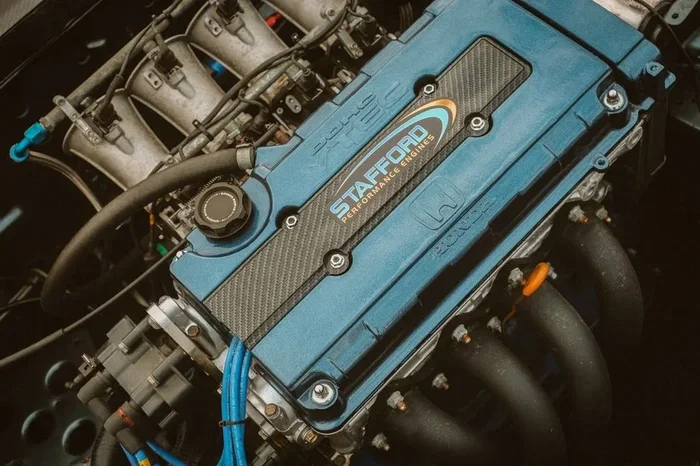
Visual guide about Honda Vezel engine
Image source: images.pexels.com
Blown Head Gasket
The head gasket sits between the engine block and the cylinder head. Its job is to seal the combustion chambers and keep coolant and oil separate. When this gasket fails, coolant can leak into the oil channels. This is the most common cause of an oil and water mixture in Vezel Honda. Head gasket failure can happen due to overheating, age, or poor maintenance.
Signs of a blown head gasket include white smoke from the exhaust, coolant loss without visible leaks, and bubbles in the coolant reservoir. If you notice any of these, get your Honda Vezel checked right away.
Cracked Cylinder Head or Engine Block
In some cases, the problem goes deeper than the head gasket. A cracked cylinder head or engine block can allow coolant to seep into the oil system. This is a more serious issue and often results from severe overheating or manufacturing defects. Honda Vezel engines are generally strong, but cracks can develop over time, especially if the vehicle has been driven hard without proper cooling system maintenance.
Faulty Oil Cooler
Some Honda Vezel models come equipped with an oil cooler. This component helps regulate oil temperature. However, if the oil cooler develops a leak, coolant can mix with the engine oil. This is a less common cause but still worth checking. If your Honda Vezel has an oil cooler and you notice oil and water mixing, inspect the cooler lines and connections for leaks.
Damaged Cylinder Head Gasket Seal
Sometimes the issue is not the main head gasket but a secondary seal. The cylinder head bolts to the engine block, and multiple seals keep fluids separate. If any of these seals fail, coolant can enter the oil system. This type of problem is harder to diagnose and often requires a professional mechanic.
Condensation Build-Up
Not every case of oil and water mixing is a serious mechanical problem. In cold weather or after short trips, condensation can build up inside the engine. This moisture mixes with the oil and creates a milky appearance. Usually, this clears up once the engine reaches normal operating temperature. However, if the milky oil persists, it is not just condensation. You need to investigate further.
Symptoms of Oil and Water Mixture in Honda Vezel
Knowing the symptoms of this problem can help you catch it early. The sooner you identify the issue, the less damage it will cause. Here are the most common signs to watch for in your Honda Vezel.
Milky or Foamy Oil on the Dipstick
This is the most obvious symptom. When you pull out the dipstick, healthy oil should be amber and smooth. If it looks milky, frothy, or has a chocolate-milk-like appearance, water has entered the oil system. Do not drive your Honda Vezel if you see this. Continue driving can cause severe engine damage.
White Smoke From the Exhaust
Thin white smoke on a cold morning is normal. But thick, persistent white smoke that smells sweet is a red flag. This usually means coolant is burning inside the combustion chamber. It is a strong indicator that your Honda Vezel has an oil and water mixture problem.
Coolant Level Dropping Without Visible Leaks
If you keep topping up your coolant but it keeps disappearing, something is wrong. The coolant may be leaking into the oil system internally. Check your Honda Vezel’s coolant reservoir regularly. A dropping level without an external leak is a classic sign of internal contamination.
Overheating Engine
When oil and water mix, the cooling system and lubrication system both suffer. Your Honda Vezel may start overheating, especially under load. If the temperature gauge climbs into the red zone, pull over safely and turn off the engine. Continuing to drive an overheating engine can cause catastrophic damage.
Bubbles in the Coolant Reservoir
If you open your Honda Vezel’s coolant reservoir and see bubbles that do not go away, combustion gases may be leaking into the cooling system. This happens when the head gasket fails. The bubbles are a sign that oil and water are mixing inside the engine.
Sludge Build-Up Under the Oil Cap
Pop off your Honda Vezel’s oil cap and look inside. A brown, creamy residue under the cap is a telltale sign of oil and water mixing. This sludge forms when moisture combines with oil over time. A small amount is normal after short trips, but a thick layer means you need to take action.
How to Diagnose Oil and Water Mixture in Your Honda Vezel
Diagnosing this issue involves a few simple checks you can do at home. However, some tests require professional tools. Here is how you can identify the problem step by step.
Step 1: Check the Oil Dipstick
Pull the dipstick and examine the oil color. Clean oil is golden amber. Milky or frothy oil means water contamination. Wipe the dipstick clean, reinsert it, and pull it out again. Check the consistency. If it feels thick and creamy, water has mixed with the oil in your Honda Vezel.
Step 2: Inspect the Oil Cap
Remove the oil cap and look at the underside. A small amount of moisture is normal. But if you see a thick brownish substance, that is sludge from oil and water mixing. The more sludge you see, the worse the contamination.
Step 3: Check the Coolant Reservoir
Look at your Honda Vezel’s coolant reservoir. Is the coolant level dropping? Does the coolant look oily or have a floating film on top? These are signs that oil is leaking into the cooling system. This is just as serious as coolant leaking into the oil.
Step 4: Perform a Compression Test
A compression test measures the pressure inside each cylinder. Low compression in one or more cylinders can indicate a head gasket leak. This test requires a compression gauge and some mechanical knowledge. Many Honda Vezel owners take their car to a trusted mechanic for this test.
Step 5: Use a Block Tester
A block tester checks for combustion gases in the coolant. It uses a special fluid that changes color when it detects exhaust gases. If the fluid changes color, your Honda Vezel likely has a head gasket issue. This is one of the most reliable diagnostic tools for detecting oil and water mixing.
How to Fix Oil and Water Mixture Issues in Honda Vezel
Fixing an oil and water mixture in your Honda Vezel depends on the root cause. Some repairs are simple and affordable. Others are more complex and expensive. Here is a breakdown of the most common fixes.
Fix 1: Replace the Head Gasket
If a blown head gasket is the cause, replacing it is the standard fix. This involves removing the cylinder head, installing a new gasket, and reassembling everything. The cost for a Honda Vezel head gasket replacement typically ranges from moderate to high, depending on labor rates in your area. The repair usually takes several hours to complete.
After the replacement, your mechanic should also flush the cooling system and change the oil thoroughly. Any remaining contaminated oil or coolant must be removed completely to prevent further damage.
Fix 2: Repair or Replace a Cracked Cylinder Head
If the cylinder head is cracked, it may need to be repaired or replaced. In some cases, a machine shop can weld or grind the crack. In more severe cases, a new or refurbished cylinder head is needed. This repair is more expensive than a head gasket replacement but is necessary to prevent ongoing contamination in your Honda Vezel.
Fix 3: Replace the Oil Cooler
If the oil cooler is leaking, replacing it is usually straightforward. The mechanic will disconnect the cooler lines, remove the old unit, and install a new one. This is one of the less expensive fixes for oil and water mixing in Honda Vezel models equipped with an oil cooler.
Fix 4: Flush the Engine and Replace Fluids
Regardless of the repair, you must flush the engine thoroughly. Contaminated oil and coolant need to be completely removed. The process includes draining the old oil, flushing the oil passages, replacing the oil filter, and refilling with fresh oil. The cooling system should also be flushed and refilled with new coolant.
Fix 5: Address Condensation Issues
If condensation is the cause, the fix is simpler. Take your Honda Vezel on longer drives to allow the engine to reach full operating temperature. This evaporates the moisture. You can also leave the oil cap off for a short period to allow air circulation. However, if condensation persists, consult a mechanic to rule out other causes.
Prevention Tips for Honda Vezel Owners
Preventing oil and water mixing in your Honda Vezel is much easier than fixing it. Regular maintenance and good driving habits can go a long way. Here are some practical tips to keep your engine healthy.
- Stick to the maintenance schedule: Follow Honda’s recommended service intervals for oil changes and coolant flushes.
- Monitor coolant levels: Check your Honda Vezel’s coolant reservoir weekly. A sudden drop is a warning sign.
- Watch the temperature gauge: If your engine runs hot, address it immediately. Overheating is the number one cause of head gasket failure.
- Use quality fluids: Always use the recommended grade of oil and coolant for your Honda Vezel. Cheap fluids can break down faster and cause problems.
- Take longer drives: Short trips cause condensation to build up in the engine. Occasional longer drives help burn off moisture.
- Address small leaks early: Do not ignore small coolant or oil leaks. They can worsen quickly and lead to internal contamination.
- Inspect the radiator cap: A faulty radiator cap can cause pressure issues in the cooling system. Replace it if it looks worn or damaged.
How Much Does It Cost to Fix Oil and Water Mixture in Honda Vezel?
The cost of fixing an oil and water mixture in your Honda Vezel varies widely. It depends on the cause and the extent of the damage. Here is a rough breakdown of potential costs.
| Repair Type | Estimated Cost Range | Difficulty Level |
|---|---|---|
| Head gasket replacement | $800 – $1,500 | Moderate to High |
| Cylinder head repair or replacement | $1,200 – $2,500 | High |
| Oil cooler replacement | $300 – $700 | Moderate |
| Engine flush and fluid replacement | $100 – $300 | Low |
| Radiator cap replacement | $30 – $80 | Low |
These costs are estimates and can vary based on your location, the model year of your Honda Vezel, and the mechanic’s rates. Always get a detailed quote before authorizing any repair work.
Expert Insights on Honda Vezel Oil and Water Issues
Experienced Honda mechanics often see oil and water mixture problems in the Vezel model. Here are some expert tips to keep in mind.
Do not delay repairs. Many Honda Vezel owners ignore early symptoms because the car still drives fine. But contaminated oil causes progressive damage. The longer you wait, the more expensive the repair becomes.
Regular oil analysis can help. Some owners send a sample of their engine oil to a lab for analysis. This can detect water contamination and metal particles before symptoms become obvious. It is a proactive approach that can save you from unexpected breakdowns.
Keep records of your maintenance. A well-documented service history helps mechanics diagnose problems faster. If you keep track of oil changes, coolant flushes, and repairs, you can identify patterns that point to an oil and water mixture issue early on.
Do not mix aftermarket parts blindly. While aftermarket parts can save money, not all are created equal. For critical components like head gaskets and oil coolers, use OEM or high-quality parts to ensure reliability in your Honda Vezel.
Key Takeaways
- Oil and water mixing in Honda Vezel is a serious issue: It reduces lubrication and can cause engine overheating and failure.
- Head gasket failure is the most common cause: A damaged head gasket allows coolant to leak into the oil system.
- Watch for milky oil, white smoke, and coolant loss: These are the primary symptoms of contamination.
- Early diagnosis prevents costly repairs: Simple checks at home can catch the problem before it escalates.
- Professional repair is often necessary: Head gasket and cylinder head repairs require skilled mechanics and proper tools.
- Regular maintenance is your best defense: Routine oil changes, coolant checks, and temperature monitoring keep your Honda Vezel healthy.
Conclusion
An oil and water mixture in Vezel Honda is not something to take lightly. It is a warning sign that your engine is in trouble. Whether the cause is a blown head gasket, a cracked cylinder head, or simple condensation, you need to address it promptly. Ignoring the problem will only lead to more damage and higher repair costs.
The good news is that you now have the knowledge to identify the issue early. You know what symptoms to look for, what causes the problem, and how to fix it. Regular maintenance and attentive driving habits will help you avoid this issue altogether. Your Honda Vezel is a reliable vehicle, and with proper care, it will serve you well for many miles to come.
If you ever notice the signs of oil and water mixing in your Honda Vezel, do not hesitate to take action. Check your oil, inspect your coolant, and consult a professional if needed. A little attention today can save you from a major headache tomorrow. Keep your Honda Vezel running strong and enjoy every drive with confidence.
Frequently Asked Questions
Can I still drive my Honda Vezel if I notice oil and water mixing?
It is not recommended to keep driving your Honda Vezel if you notice oil and water mixing. Contaminated oil loses its lubricating ability and can cause severe engine damage within a short distance. Pull over safely, turn off the engine, and arrange for a tow or professional inspection as soon as possible.
How much does it cost to fix a head gasket leak in a Honda Vezel?
The cost of a head gasket replacement for a Honda Vezel typically ranges from $800 to $1,500, depending on labor rates and the extent of the damage. This includes parts, labor, and a full engine flush to remove any contaminated oil and coolant.
Can condensation inside the engine cause oil and water mixing in Honda Vezel?
Yes, condensation can cause a temporary milky appearance in your Honda Vezel’s oil. This usually happens after short trips in cold weather when the engine does not reach full operating temperature. However, if the milky oil persists after the engine warms up, it is likely a more serious issue that needs professional attention.
What is the difference between oil contamination and water contamination in Honda Vezel?
Oil contamination in a Honda Vezel refers to foreign substances mixing with the engine oil, while water contamination specifically means water or coolant has entered the oil system. Both reduce the oil’s effectiveness but water contamination is often more damaging because it causes rust, reduces lubrication, and can lead to overheating.
How often should I check my Honda Vezel’s oil and coolant levels?
You should check your Honda Vezel’s oil level at least once a month and the coolant level every two weeks or before long trips. Regular checks help you catch drops in fluid levels early, which can be a sign of internal leaks or oil and water mixing issues.
Is oil and water mixing in Honda Vezel covered under warranty?
It depends on the cause and your Honda warranty terms. If the issue results from a manufacturing defect, such as a faulty head gasket, it may be covered. However, damage caused by neglect or poor maintenance is typically not covered. Always check with your Honda dealer for specific warranty details.