2014 Ram 1500 4×4 Not Engaging Actuator Repair Guide
If your 2014 Ram 1500 4×4 not engaging persists even after replacing the actuator and transfer case shift motor, the problem likely lies deeper. This guide walks you through the real causes, diagnostic steps, and proven fixes that actually work. You will learn what mechanics often miss and how to get your 4wd system back on the road.
You already replaced the actuator. You swapped out the transfer case shift motor too. But your 2014 Ram 1500 4×4 not engaging is still happening. That frustration is real, and you are not alone. Thousands of Ram 1500 owners face this exact problem every year.
The good news is that the fix is almost always findable. Most people stop after replacing the obvious parts. They assume the job is done. But a 4×4 system has many moving parts, sensors, and electrical connections. One small overlooked issue can keep the whole system from working.
This guide covers everything you need to know. We will go beyond the basic repairs. You will learn what to check, what to test, and exactly how to fix the problem for good.
Key Takeaways
- Replacing parts alone may not fix the issue: the root cause could be wiring, a bad control module, or a mechanical failure inside the transfer case.
- Diagnosis comes before replacement: always scan for error codes and test electrical connections before buying new parts.
- Common overlooked culprits include: damaged wiring harnesses, faulty transfer case control modules, and low transfer case fluid.
- DIY repairs are possible: with the right tools and a clear step-by-step process, you can save hundreds in labor costs.
- Preventive maintenance matters: regular fluid changes and electrical inspections keep your 4×4 system reliable for years.
- Professional help is needed when: internal transfer case damage or module programming issues are suspected.
📑 Table of Contents
- Why Your 2014 Ram 1500 4×4 Not Engaging After Part Replacement
- Symptoms That Point to Deeper Problems
- Diagnosing the Real Problem Step by Step
- Common Mistakes That Keep the 4×4 From Working
- Proven Fix: How to Actually Solve the Problem
- Preventing Future 4×4 Engagement Problems
- When to Call a Professional
- Final Thoughts
Why Your 2014 Ram 1500 4×4 Not Engaging After Part Replacement
Replacing the actuator and transfer case shift motor is a common first step. It makes sense because those parts fail often. But here is the thing. A new part does not fix every problem. Sometimes the real issue was never the part you replaced.
Think of it like this. If your car will not start, you might replace the battery. But if the alternator is dead, the new battery will not help either. The same logic applies to your 4×4 system.
Electrical Issues You Cannot See
Your Ram 1500 4wd system relies heavily on electronics. The transfer case control module sends signals through wiring harnesses. Sensors tell the system whether the front axle is engaged. If a wire is damaged or corroded, the signal never reaches its destination.
Common electrical problems include:
- Corroded connectors at the transfer case or front axle.
- Damaged wiring harnesses that run under the vehicle and get chewed by road debris.
- Bad ground wires that interrupt the electrical circuit.
- Blown fuses in the underhood fuse box related to the 4×4 system.
These issues will not show up as a broken part. Everything may look fine visually. But electricity needs a complete path to flow. One broken connection stops the whole process.
Transfer Case Control Module Failures
The transfer case control module is the brain of your 4×4 system. It receives input from the dashboard switch and sends commands to the actuator and shift motor. When this module fails, replacing the actuator does nothing.
Signs of a failing control module include:
- The 4×4 dash light flashes but nothing engages.
- The system works intermittently before stopping completely.
- Error codes appear on a diagnostic scan even after part replacement.
This is one of the most overlooked causes. Many mechanics replace parts without ever checking the control module. A simple scan tool can reveal whether the module is sending the correct signals.
Symptoms That Point to Deeper Problems
Your 2014 Ram 1500 4×4 not engaging gives you warning signs before it completely fails. Learning to read these signs helps you catch problems early.

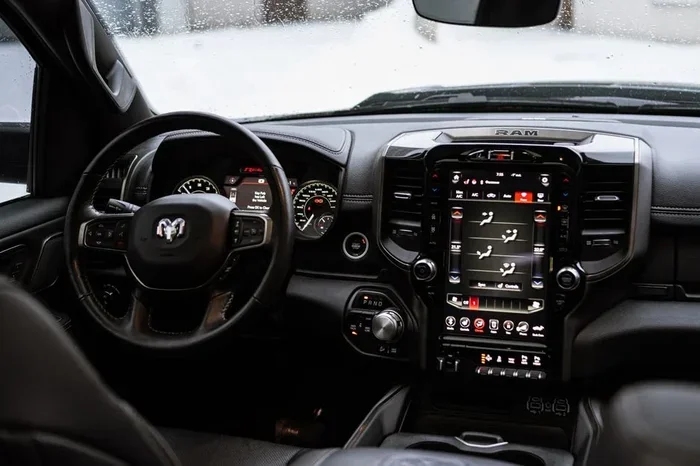
Visual guide about Ram 1500 4×4 repair
Image source: images.pexels.com
Dashboard Warning Lights
The 4×4 warning light on your dash is your first clue. If it stays on or flashes, the system has detected a fault. Do not ignore it. The light means the transfer case control module has stored an error code.
Common dash light behaviors include:
- Steady light: the system has detected a persistent fault.
- Flashing light: a more serious issue needs immediate attention.
- Light that comes and goes: an intermittent electrical problem.
Unusual Noises From the Transfer Case
Listen carefully when you try to engage 4×4. Grinding, clicking, or humming sounds mean something is wrong inside the transfer case. These noises often indicate worn gears or a failing internal motor.
Even with a new actuator, internal damage to the transfer case will prevent proper engagement. The shift motor may spin, but if the gears inside are stripped, nothing moves.
4×4 Works on One Surface But Not Another
If your 4×4 engages on pavement but slips on dirt, or vice versa, that is a clue. This symptom often points to a partial engagement problem. The system thinks it is in 4×4, but the front axle is not fully locking.
This happens when the actuator is weak or when the front axle disconnect has worn components. It can also be caused by low transfer case fluid affecting internal pressure.
Diagnosing the Real Problem Step by Step
Before you buy another part, follow these diagnostic steps. A systematic approach saves time, money, and frustration.
Step 1: Scan for Error Codes
Use an OBD-II scanner that supports transfer case diagnostics. A generic scanner may not read 4×4-specific codes. Look for codes related to the transfer case motor, actuator circuit, or front axle engagement.
Common error codes on the 2014 Ram 1500 include:
- U0100: lost communication with the transfer case control module.
- C0365: transfer case motor circuit malfunction.
- B1340: front axle actuator circuit issue.
Write down every code you find. Each one narrows down the possible causes.
Step 2: Check the Wiring and Connectors
Physically inspect every connector related to the 4×4 system. Unplug the actuator connector and the transfer case motor connector. Look for green or white corrosion, bent pins, or moisture inside the connectors.
Use a multimeter to test for voltage at each connector. The transfer case motor should receive power when you switch the 4×4 dash button. If it does not, the problem is upstream in the wiring or the control module.
Step 3: Test the Transfer Case Fluid
This step is simple but often skipped. Pull the transfer case fill plug and check the fluid level. Low fluid means the internal components are not getting proper lubrication.
Look at the fluid color. Dark, burnt-smelling fluid indicates overheating or internal wear. Fresh fluid should be clear amber. If the fluid looks bad, a fluid change may resolve engagement issues caused by increased friction inside the case.
Step 4: Inspect the Front Axle Engagement
The actuator pulls a collar to engage the front axle. If the collar is stuck or the vacuum lines (if equipped) are cracked, the front axle will not lock. Crawl under the truck and visually confirm the front axle moves when you switch into 4×4.
Have someone turn the 4×4 dash switch while you watch the front axle actuator rod. If it does not move, the problem is electrical or the actuator is not receiving the correct signal.
Common Mistakes That Keep the 4×4 From Working
Even experienced DIYers make mistakes when troubleshooting 4×4 problems. Avoid these common pitfalls.
Replacing Parts Without Testing First
This is the biggest mistake. Buying a new actuator because the old one looked worn does not guarantee it will fix the problem. The old part may have been fine all along. The real issue could be a bad ground wire or a failed control module.
Always test the existing part before replacing it. Use a multimeter to check resistance and voltage. A good part with a bad signal will still not engage the 4×4 system.
Ignoring Software Updates
The transfer case control module runs on software. Sometimes a software glitch prevents proper engagement. Ram dealerships can update the module firmware. This fix costs very little but solves problems that part replacement never will.
Using Aftermarket Parts Without Verification
Aftermarket actuators and shift motors are cheaper. But not all of them are compatible with the 2014 Ram 1500 4wd system. Some aftermarket parts have different wiring configurations. They may physically fit but send the wrong signals.
Stick with OEM or verified compatible parts. The small extra cost saves the headache of a second repair.
Proven Fix: How to Actually Solve the Problem
Now that you have diagnosed the real cause, here is how to fix it based on the most common findings.
If the Control Module Is the Issue
Replace or reprogram the transfer case control module. You can find remanufactured modules online for a fraction of the dealership price. Make sure to program the new module to your specific vehicle using a compatible scan tool.
After installation, clear all error codes and test the 4×4 system. Switch between 2hi, 4hi, and 4lo to confirm full engagement at each mode.
If Wiring Is the Problem
Repair or replace the damaged wiring harness. Use heat-shrink connectors and dielectric grease to protect the repair from moisture. Run new wiring along the original harness path and secure it with zip ties every 12 inches.
After the repair, test for continuity across the entire circuit. You should see a complete path with no resistance breaks.
If Internal Transfer Case Damage Exists
This is the most serious scenario. If the gears or internal motor inside the transfer case are stripped, a full rebuild or replacement is needed. This job requires draining the fluid, removing the transfer case, and disassembling it for inspection.
For most owners, taking the transfer case to a specialist is the smart choice. A qualified rebuilder can replace worn gears and seals for a fraction of the cost of a new transfer case.
Preventing Future 4×4 Engagement Problems
Once your 2014 Ram 1500 4×4 is working again, keep it that way with a few simple habits.
Change your transfer case fluid every 60,000 miles. Clean the connectors under the truck at least once a year. Use dielectric grease on all electrical connections to prevent corrosion. And never ignore warning lights or unusual noises.
These small steps add up. A well-maintained 4×4 system will serve you reliably for the life of the truck.
When to Call a Professional
Some repairs are beyond the DIY scope. If you have checked the wiring, tested the modules, and confirmed the fluid is good, but the 4×4 still will not engage, it is time for expert help.
Internal transfer case damage, control module programming, and complex electrical faults require specialized tools and experience. A qualified 4×4 technician can diagnose these issues quickly and get you back on the trail safely.
Do not keep driving on 2wd when you need 4×4. Using the wrong drivetrain mode on slippery surfaces can damage other components and create unsafe driving conditions.
Final Thoughts
A 2014 Ram 1500 4×4 not engaging after replacing the actuator and transfer case shift motor is a frustrating experience. But the solution is almost always findable. The key is to look beyond the obvious parts and follow the electrical and mechanical signals through the entire system.
Start with a proper diagnostic scan. Check the wiring. Test the control module. Inspect the fluid. Each step eliminates a possible cause and brings you closer to the real fix.
With the right approach, you can solve this problem yourself or make a more informed decision when visiting a mechanic. Your 4×4 system is built to last. Give it the right diagnosis, and it will serve you well for many more miles to come.
Frequently Asked Questions
Why does my 2014 Ram 1500 4×4 not engage even after replacing the actuator?
The real cause is often not the actuator itself. Wiring issues, a faulty transfer case control module, or internal transfer case damage can all prevent engagement. Always diagnose the full system before replacing more parts.
How much does it cost to fix a 4×4 engagement problem on a Ram 1500?
Costs vary widely. A wiring repair might cost under $100. A new transfer case control module runs $200 to $500. Internal transfer case rebuilds typically range from $800 to $1,500 depending on the damage.
Can low transfer case fluid cause the 4×4 not to engage?
Yes. Low fluid reduces internal pressure and can prevent the shift motor from engaging the gears properly. Always check the fluid level and condition when troubleshooting 4×4 problems.
Is it safe to drive a 2014 Ram 1500 in 2wd when the 4×4 system is not working?
On dry pavement, driving in 2wd is safe. However, using 2wd on slippery or off-road surfaces can cause loss of traction and potential drivetrain damage. Have the 4×4 system repaired before heading off-road.
What diagnostic scanner works best for Ram 4×4 problems?
A scan tool that supports Chrysler transfer case diagnostics is essential. The Autel MaxiSys and Snap-on Zeus are popular choices. A generic OBD-II scanner may not read 4×4-specific codes.
How long does it take to fix a 2014 Ram 1500 4×4 engagement issue?
Electrical repairs and module replacements usually take one to two hours. Wiring harness repairs take two to four hours depending on the damage location. Internal transfer case rebuilds typically require one to three days at a shop.
=== CONCLUSION ===
Your 2014 Ram 1500 4×4 not engaging problem is solvable. The actuator and transfer case shift motor are not always the culprits. Electrical connections, the control module, and internal transfer case health all play a role.
Follow the diagnostic steps in this guide. Test before you replace. Check the wiring. Scan for codes. And do not overlook the simple things like fluid level and connector condition.
Take action today. Your truck is ready to go when your 4×4 system is working right. Get under there, run the tests, and get back on the road with confidence.