Tesla Mobile 220V Wire Gauge Everything You Need to Know
The Tesla mobile 220v wire gauge is a critical detail that affects your charging speed, safety, and overall home setup. Choosing the right wire size ensures your Tesla charges efficiently without overheating or tripping breakers. This guide covers everything from basic sizing rules to expert installation tips for a 220V Tesla charging setup.
So you just got a Tesla. Or maybe you are thinking about it. Either way, one thing is for sure: you need a solid home charging setup. And at the heart of that setup is something most people overlook until it is too late. The wire gauge for your Tesla mobile 220v connection can make or break your charging experience. It affects speed, safety, and even how long your equipment lasts.
In this guide, we will walk through everything you need to know about the Tesla mobile 220v wire gauge. We will cover what size wire you need, why it matters, and how to avoid the most common mistakes. Whether you are a DIY enthusiast or planning to hire a professional, this article has you covered.
Let us start with the basics and build from there. No jargon. No fluff. Just clear, practical advice you can use right away.
Key Takeaways
- Correct wire gauge matters: Using the wrong size can cause overheating, slow charging, or electrical hazards.
- 6 AWG or 8 AWG is standard: Most Tesla mobile 220v setups require 6 AWG copper wire for the 32-amp NEMA 14-50 circuit.
- Distance affects your choice: Longer runs from the panel to the outlet need a thicker wire to prevent voltage drop.
- NEMA 14-50 is the go-to outlet: This 240V, 50-amp outlet is the most common choice for Tesla home charging.
- Always hire a licensed electrician: Electrical work is dangerous and must meet local building codes.
- Check your Tesla model: Different models have different charging needs and connector types.
- Future-proof your setup: Consider a Tesla Wall Connector for faster speeds and smarter charging features.
📑 Table of Contents
- What Is the Tesla Mobile 220V Wire Gauge?
- Understanding Wire Gauge Sizes for Tesla Mobile Charging
- How Distance Affects Your Wire Gauge Choice
- Tesla Mobile Connector vs. Tesla Wall Connector: Does Wire Gauge Change?
- Step-by-Step Guide to Choosing the Right Wire Gauge
- Common Mistakes to Avoid With Tesla Mobile 220V Wiring
- Expert Tips for a Safe and Efficient Tesla Mobile 220V Setup
- Conclusion
What Is the Tesla Mobile 220V Wire Gauge?
When people talk about the Tesla mobile 220v wire gauge, they are referring to the thickness of the electrical wire used in a 220V home charging setup. The wire connects your electrical panel to the outlet where your Tesla plugs in for charging. The gauge number tells you how thick the wire is, and thickness matters a lot for safety and performance.
Here is the simple truth: thinner wires (higher gauge numbers) carry less current safely. Thicker wires (lower gauge numbers) handle more amps without overheating. For a Tesla mobile connector setup running on 220V, the wire gauge directly impacts how fast your car charges and how safe your installation is.
Why Wire Gauge Matters for Tesla Charging
Your Tesla mobile connector draws power from your home electrical system. If the wire is too thin for the amount of current flowing through it, several bad things can happen. The wire can overheat. The insulation can melt. You could trip your circuit breaker repeatedly. In the worst case, you risk an electrical fire.
On the flip side, using a wire that is thicker than necessary will not hurt anything. It just costs a bit more. So when in doubt, going slightly thicker is always the safer choice.
The Tesla mobile connector supports up to 32 amps on a 240V circuit when using the NEMA 14-50 outlet adapter. This means your wire gauge needs to handle at least 32 amps continuously. For most standard installations, this means 6 AWG copper wire is the minimum recommended size.
Understanding Wire Gauge Sizes for Tesla Mobile Charging
Wire gauge can feel confusing at first. The American Wire Gauge (AWG) system is a standardized way to measure wire thickness. The lower the number, the thicker the wire. A 6 AWG wire is much thicker than a 10 AWG wire. And thickness equals current-carrying capacity.
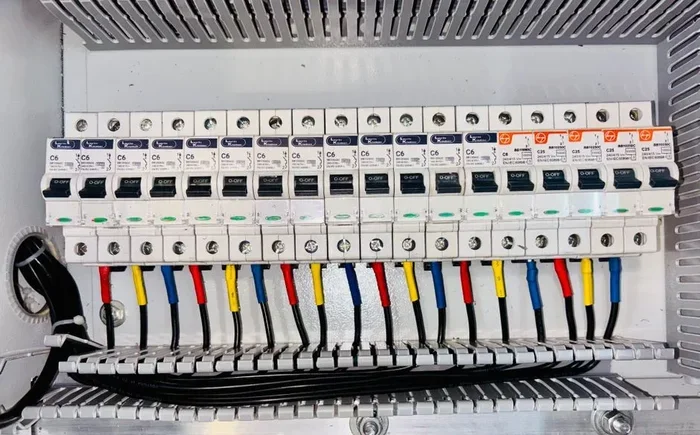
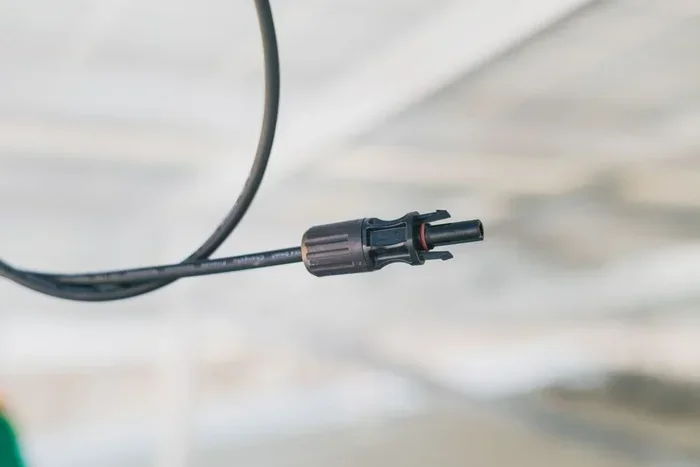
Visual guide about Tesla mobile connector wire detail
Image source: images.pexels.com
Common Wire Gauge Options
Here are the most common wire gauges used for Tesla mobile 220v setups:
- 6 AWG copper wire: This is the standard choice for a 32-amp Tesla mobile connector circuit. It handles 55 amps at 75 degrees Celsius, giving you plenty of safety margin.
- 8 AWG copper wire: Rated for 40 amps at 75 degrees Celsius. Some installers use this for shorter runs where voltage drop is minimal. However, 8 AWG is cutting it close for a full 32-amp Tesla charge.
- 10 AWG copper wire: Rated for 30 amps. This is generally too small for a Tesla mobile connector on a 220V circuit. Avoid using this size.
- 4 AWG copper wire: Used for 40-amp or 50-amp circuits. If you plan to upgrade to a Tesla Wall Connector or run a 40-amp circuit, 4 AWG gives you room to grow.
The Role of Copper vs. Aluminum Wire
Almost all Tesla mobile 220v installations use copper wire. Copper has excellent conductivity, is flexible, and is widely accepted by electricians and building codes. Aluminum wire exists and is cheaper, but it requires special connectors and techniques. For most Tesla owners, copper is the clear winner. Stick with copper for your home charging setup.
How Distance Affects Your Wire Gauge Choice
This is where many people get tripped up. The length of the wire run from your electrical panel to the charging outlet matters more than most realize. Longer wire runs create resistance, which causes voltage drop. Too much voltage drop means your Tesla charges slower, and your electrical system wastes energy as heat.
What Is Voltage Drop and Why Should You Care?
Voltage drop is the loss of electrical pressure as current travels through a wire. Think of it like water pressure dropping the farther you stretch a garden hose. If the voltage drop exceeds 3%, your Tesla mobile connector will not charge at full speed. At 5% or more, you risk damaging your equipment and creating safety hazards.
Here is a quick reference for Tesla mobile 220v wire gauge based on distance:
- Under 25 feet: 6 AWG copper wire works perfectly for a 32-amp circuit.
- 25 to 50 feet: Drop down to 4 AWG copper wire to keep voltage drop under 3%.
- 50 to 100 feet: Use 2 AWG or even 1/0 AWG copper wire depending on your exact amp requirements.
- Over 100 feet: Consult a licensed electrician. You may need a sub-panel closer to the charging location.
Quick Tip: Measure Twice, Wire Once
Before buying any wire, measure the actual distance from your electrical panel to where you plan to install the outlet. Do not guess. Use a tape measure and account for any bends, corners, or detours the wire will take through walls and conduits. Adding a few extra feet is always better than coming up short.
Tesla Mobile Connector vs. Tesla Wall Connector: Does Wire Gauge Change?
Many Tesla owners wonder if the wire gauge differs between the mobile connector and the Wall Connector. The short answer is yes, it can change depending on the setup.
The Tesla mobile connector works with a NEMA 14-50 outlet and draws up to 32 amps. The wire gauge for this setup is typically 6 AWG for the circuit wiring and 8 AWG for the ground and neutral conductors. However, the Tesla Wall Connector can support up to 48 amps, which requires thicker wiring, usually 6 AWG for all conductors in a 50-amp circuit.
If you are planning ahead, it makes sense to install wire that can handle the Wall Connector from day one. This way, you avoid costly rewiring later. Think of it as future-proofing your Tesla charging setup.
Comparison: Mobile Connector vs. Wall Connector Wiring
| Feature | Tesla Mobile Connector | Tesla Wall Connector |
|---|---|---|
| Max Amps | 32 amps | 48 amps |
| Recommended Wire Gauge | 6 AWG copper | 6 AWG copper (for 50A circuit) |
| Outlet Type | NEMA 14-50 | Hardwired or NEMA 14-50 |
| Max Charging Speed (Model 3) | ~30 mph range/hour | ~44 mph range/hour |
| Installation Complexity | Moderate | Moderate to High |
| Cost (Wiring Only) | $150 – $300 | $200 – $400 |
Step-by-Step Guide to Choosing the Right Wire Gauge
Ready to pick the right wire for your Tesla mobile 220v setup? Follow these steps to make sure you get it right the first time.
- Check your Tesla model and charging needs. Different Tesla models draw different amounts of power. The Model S and Model X tend to charge faster than the Model 3 and Model Y on the same setup.
- Determine your circuit amperage. Most Tesla mobile connector setups use a 32-amp or 40-amp circuit on 220V. Check your mobile connector settings to confirm.
- Measure the wire run distance. Get the exact distance from your electrical panel to the planned outlet location.
- Use a wire gauge chart. Match your amperage and distance to the correct wire gauge. When in doubt, go thicker.
- Choose copper wire. Always use copper for Tesla home charging installations. It is safer, more reliable, and code-compliant in most areas.
- Plan for the future. If you might upgrade to a Wall Connector, install wire that supports 40-50 amps now. It saves money and hassle later.
- Have a licensed electrician review your plan. Even if you do the installation yourself, get a professional to inspect the work. Electrical safety is not something to skip.
Common Mistakes to Avoid With Tesla Mobile 220V Wiring
Even experienced DIYers make mistakes with electrical wiring. Here are the most common errors we see with Tesla mobile 220v setups:
1. Using the Wrong Wire Gauge
This is the number one mistake. People often use 10 AWG or even 12 AWG wire for a 220V Tesla circuit. These sizes are far too thin for 32 amps of continuous current. The result is overheating, melted insulation, and serious fire risk. Always double-check the wire gauge against your circuit amperage before making any connections.
2. Ignoring Voltage Drop Over Long Distances
Some installers pick the correct gauge for the amperage but forget to account for distance. A 6 AWG wire is perfect for a 15-foot run but inadequate for a 75-foot run. Always factor in wire length when sizing your circuit.
3. Skipping the Ground Wire
The ground wire is just as important as the hot and neutral wires. For a NEMA 14-50 outlet, you need a proper ground conductor sized according to your circuit breaker. Never skip this step. Grounding protects you and your Tesla from electrical faults.
4. Using the Wrong Outlet or Adapter
Not all 220V outlets are created equal. Make sure you are using a NEMA 14-50 outlet for your Tesla mobile connector. Using a different outlet type can lead to poor connections, overheating, and voided warranties.
5. Forgetting About Circuit Breaker Sizing
Your wire gauge must match your circuit breaker rating. A 32-amp mobile connector needs a 40-amp breaker. A 40-amp circuit needs a 50-amp breaker. Mismatching these is a safety hazard and a code violation in most jurisdictions.
Expert Tips for a Safe and Efficient Tesla Mobile 220V Setup
We have covered the technical details. Now here are some expert tips that will help you get the best results from your Tesla mobile 220v wire gauge installation.
Install a Dedicated Circuit
Your Tesla charging circuit should be on its own dedicated breaker. Do not share the circuit with other high-power appliances like dryers or ovens. A dedicated circuit ensures consistent charging performance and reduces the risk of tripping breakers.
Use Conduit for Protection
Running your wire through PVC or metal conduit protects it from physical damage, moisture, and wear. This is especially important for outdoor installations or runs through garages. Conduit also makes it easier to upgrade wires in the future without tearing into walls again.
Label Your Circuit Clearly
Once installed, label your Tesla charging circuit in the electrical panel. This makes troubleshooting easier and helps future electricians understand your setup at a glance. A simple label maker and a few minutes of work can save hours of confusion later.
Consider a Surge Protector
Electrical surges can damage your Tesla mobile connector and your vehicle. A quality surge protector installed at the panel level adds an extra layer of protection. It is a small investment that can save you from expensive repairs.
Keep Records of Your Installation
Save all receipts, wire specifications, and permits related to your Tesla charging setup. These records are valuable for warranty claims, home resale, and future upgrades. A simple folder or digital archive goes a long way.
Conclusion
The Tesla mobile 220v wire gauge is one of the most important details in your home charging setup. Get it right, and you enjoy fast, safe, reliable charging every single night. Get it wrong, and you risk overheating, slow charging, or worse. By following the wire sizing guidelines in this article, measuring your wire run distance carefully, and working with a licensed electrician, you set yourself up for success.
Remember, your Tesla mobile connector deserves a proper electrical foundation. Take the time to choose the right wire gauge, use quality copper wiring, and never cut corners on safety. Your future self and your Tesla will thank you. Now go charge up and enjoy the ride.
Frequently Asked Questions
What is the recommended wire gauge for a Tesla mobile connector on 220V?
For most Tesla mobile connector setups running on 220V at 32 amps, 6 AWG copper wire is the recommended size. This provides a safe margin for current carrying capacity and works well for standard home runs under 50 feet.
For longer wire runs or higher amperage circuits, you may need 4 AWG or even 2 AWG copper wire. Always check the voltage drop for your specific distance before finalizing your wire gauge choice.
Can I use 8 AWG wire for my Tesla mobile 220V setup?
Technically, 8 AWG copper wire is rated for 40 amps at 75 degrees Celsius, which covers a 32-amp Tesla mobile connector circuit. However, 8 AWG is only safe for shorter wire runs, typically under 25 feet. For longer runs, the voltage drop becomes a concern, and you should step up to 6 AWG or thicker.
How far can I run a Tesla mobile 220V circuit before voltage drop becomes a problem?
Voltage drop becomes a concern when the wire run exceeds about 50 feet for a 6 AWG circuit on a 32-amp Tesla mobile connector. Beyond this distance, you should either use thicker wire or consider installing a sub-panel closer to the charging location. Keeping the voltage drop under 3% ensures optimal charging speed and safety.
Do I need a licensed electrician for Tesla mobile 220V wire installation?
Yes, we strongly recommend hiring a licensed electrician for any 220V wiring installation. Electrical work involves serious risks, and local building codes must be followed. A licensed professional ensures your Tesla mobile 220v wire gauge installation is safe, code-compliant, and properly inspected.
What outlet type do I need for Tesla mobile charging on 220V?
The standard outlet for Tesla mobile charging on 220V is the NEMA 14-50. This outlet supports 240V at 50 amps and is the most common choice for home Tesla charging. Make sure your wiring and circuit breaker match the NEMA 14-50 specifications for safe operation.
Can I upgrade from a Tesla mobile connector to a Wall Connector later?
Absolutely. Many Tesla owners start with the mobile connector and upgrade to a Wall Connector later for faster charging speeds. If you plan to upgrade, install 6 AWG or 4 AWG copper wire from day one. This future-proofs your setup and saves you from needing to rewire when you make the switch.