Wrong Oil In Car Symptoms And How To Spot Them Fast
Using the wrong oil in your car can cause serious damage if you don’t catch it early. Wrong oil in car symptoms include engine knocking, poor fuel economy, oil leaks, and warning lights on your dashboard. This guide walks you through every sign to watch for and what to do next.
Key Takeaways
- Engine knocking and ticking are early red flags that your oil isn’t lubricating properly.
- Poor fuel economy often means your oil viscosity is wrong for your engine.
- Oil leaks and low oil pressure can signal an incompatible oil type was used.
- Dark or gritty oil on your dipstick tells you the oil change went wrong.
- Overheating engines are a dangerous result of using incorrect engine oil.
- Acting fast when you notice these symptoms can save you from costly repairs.
- Always follow your manufacturer’s recommendation for the right oil type and oil viscosity.
📑 Table of Contents
- Wrong Oil In Car Symptoms And How To Spot Them Fast
- What Happens When You Use the Wrong Oil?
- Common Wrong Oil In Car Symptoms
- How to Confirm It’s the Wrong Oil
- Can Wrong Oil Cause Permanent Engine Damage?
- What To Do If You Spot Wrong Oil Symptoms
- How to Prevent Wrong Oil Mistakes
- Expert Insights
- Key Takeaways
- Conclusion
Wrong Oil In Car Symptoms And How To Spot Them Fast
You trust your engine oil to do one big job. It lubricates every moving part inside your engine. It reduces friction. It keeps things cool. And it prevents wear and tear. But what happens when you put the wrong oil in your car? The results can be scary. Your engine starts showing signs that something is off. These wrong oil in car symptoms can range from subtle to severe. And the worst part? They often sneak up on you.
Many car owners don’t realize they used the wrong oil type until damage has already started. That’s why knowing the warning signs matters so much. Whether you did a DIY oil change or visited a quick lube shop, mistakes happen. The wrong oil viscosity, the wrong oil type, or even the wrong oil filter can all cause problems. In this article, we break down every wrong oil in car symptom you need to know. We also share what to do if you spot them. Let’s get into it.
What Happens When You Use the Wrong Oil?
Your engine is designed to work with a specific oil viscosity. That number on the oil bottle, like 5W-30 or 10W-40, isn’t just a random code. It tells you how thick the oil is at different temperatures. When you use the wrong oil type, the lubrication doesn’t work the way it should. Metal parts grind against each other. Heat builds up. And over time, your engine suffers. Here’s what goes wrong at a basic level.
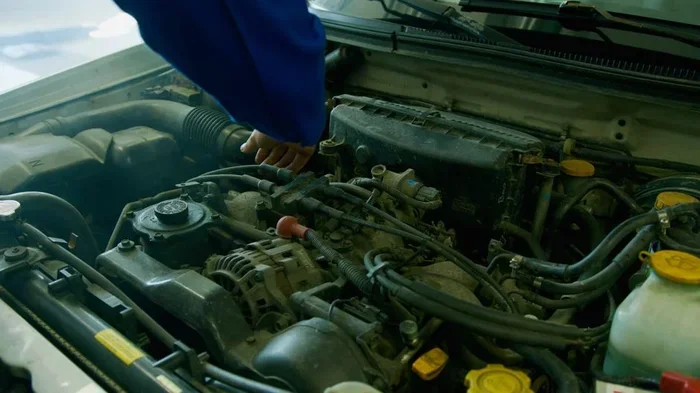
Visual guide about Engine oil warning signs car
Image source: images.pexels.com
Oil Viscosity Mismatch
Oil viscosity is the thickness of your oil. Think of it like honey versus water. Honey is thick and moves slowly. Water is thin and flows fast. Your engine needs oil with the right thickness to coat all the internal parts. If your oil is too thin, it won’t form a proper protective layer. If it’s too thick, it won’t flow fast enough to reach all the moving parts. Both situations cause problems. You might notice poor fuel economy or a drop in engine performance right away.
Wrong Oil Type: Synthetic vs. Conventional
Not all engine oil is the same. There are two main types: synthetic oil and conventional oil. Synthetic oil is engineered in a lab. It offers better protection at extreme temperatures. Conventional oil comes straight from the ground. It works fine for many engines but isn’t always the best fit. Using conventional oil when your engine needs synthetic oil can lead to increased wear. And going the other way might not give you the benefits you need. Always check your owner’s manual before you pick an oil type.
Common Wrong Oil In Car Symptoms
Your car will tell you when something is wrong. You just need to know what to listen for and look for. Here are the most common wrong oil in car symptoms that every driver should recognize.
Engine Knocking or Ticking Sounds
This is one of the first signs people notice. A knocking sound from the engine bay means parts are rubbing together without enough lubrication. When the oil viscosity is wrong, the oil film between metal surfaces becomes too thin. Metal hits metal. You’ll hear a distinct ticking or knocking noise, especially when you start the car cold. Don’t ignore this sound. It’s your engine crying for help.
Oil Pressure Warning Light
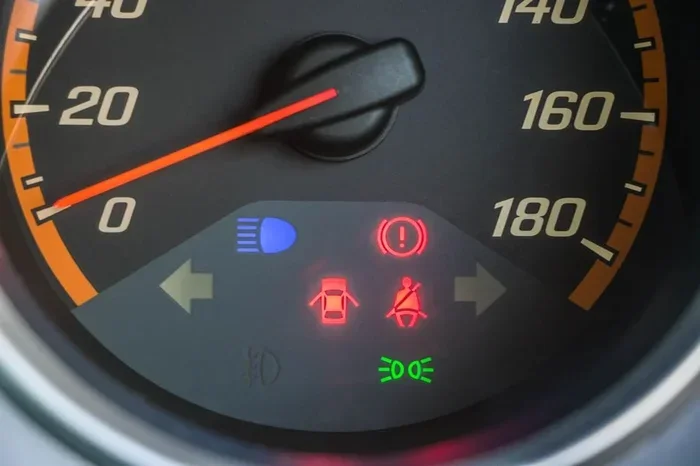
That little red light on your dashboard shaped like an oil can? It exists for a reason. When your oil pressure drops, this light comes on. Wrong oil type can cause low oil pressure because the oil isn’t flowing correctly through the system. If you see this light, pull over safely and check your oil level. Driving with low oil pressure can destroy your engine in minutes.
Dark or Dirty Oil on the Dipstick
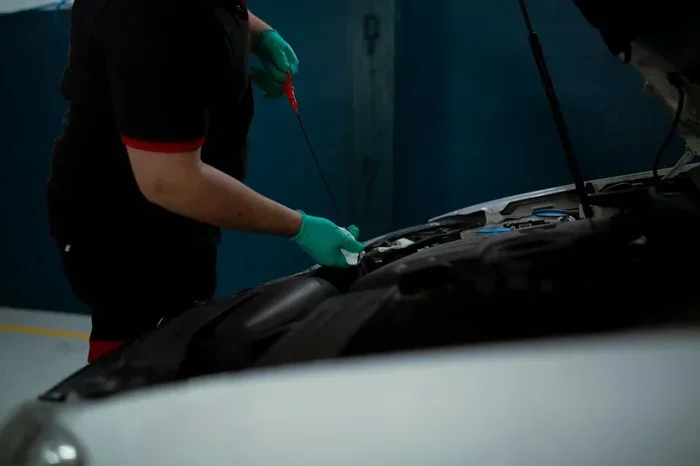
Pull out your dipstick and look at the oil color. Fresh engine oil is amber or golden brown. If your oil color looks pitch black or has gritty particles, something is wrong. Wrong oil type can break down faster than it should. It picks up contaminants and turns dark quickly. This is a clear sign that your oil change didn’t go as planned or that the oil type isn’t right for your engine.
Oil Leaks Under Your Car
Finding a puddle under your parked car is never fun. Wrong oil viscosity can cause oil leaks. If the oil is too thin, it can seep past seals and gaskets that thicker oil would normally stay in. You might notice oil spots on your driveway or garage floor. Sometimes the leak is small and hard to spot. Other times, it’s obvious. Either way, it’s a wrong oil in car symptom you should not ignore.
Poor Fuel Economy
Have you noticed you’re visiting the gas station more often? Wrong oil type can hurt your fuel economy. When oil doesn’t lubricate properly, your engine works harder. That extra effort burns more fuel. You might not notice a huge difference at first. But over time, the drop in mileage per gallon becomes obvious. If your fuel economy drops without any other explanation, check your oil type.
Engine Overheating
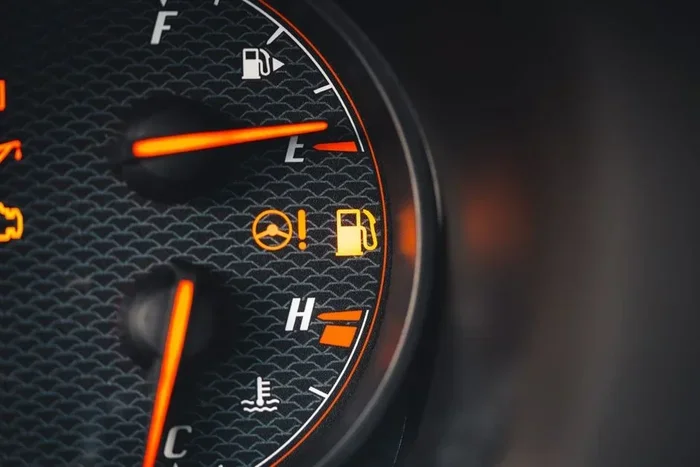
Your engine oil helps regulate temperature. It pulls heat away from critical components. When the wrong oil type is used, this heat transfer breaks down. Your engine starts running hotter than normal. You might see the temperature gauge climb on your dashboard. In severe cases, steam or smoke comes from under the hood. Engine overheating is a serious wrong oil in car symptom. Stop driving immediately and let the engine cool down.
Reduced Engine Performance
Your engine should feel smooth and responsive. If you notice sluggish acceleration or a general lack of power, the oil type could be the culprit. Wrong oil viscosity creates drag inside the engine. This drag reduces engine performance. You might feel it when you step on the gas pedal. The car feels slow to respond or struggles to maintain speed. This is a wrong oil in car symptom that affects your daily driving experience.
Unusual Smells from the Engine Bay
Your nose can be a great diagnostic tool. Burning oil smells coming from the engine bay are never normal. Wrong oil type can cause the oil to break down at lower temperatures. This produces a burnt or chemical smell. If you notice any unusual odors near your engine, get it checked right away. A burning oil smell can also indicate an oil leak dripping onto hot engine parts.
How to Confirm It’s the Wrong Oil
Spotting wrong oil in car symptoms is only half the battle. You also need to confirm that the oil is actually the problem. Here’s how to do that.
Check Your Owner’s Manual
Your owner’s manual is the ultimate guide. It tells you exactly which oil type and oil viscosity your engine needs. Look for the recommended oil specification. It might say something like “API SN 5W-30.” Compare that to what’s currently in your engine. If they don’t match, you’ve found your answer.
Inspect the Oil Drain Plug
When you drain the old oil, pay attention to what comes out. Wrong oil type often looks different from the correct oil. Synthetic oil is usually thinner and clearer. Conventional oil tends to be darker and thicker. If the oil draining out doesn’t match what you expected, you might have a mix-up. This is a quick way to confirm a wrong oil change happened.
Visit a Trusted Mechanic
When in doubt, get a professional opinion. A mechanic can check your oil pressure, inspect the oil filter, and examine the oil consistency. They can tell you right away if the wrong oil type was used. This is especially important if you’ve already driven a long distance with the wrong oil. A mechanic can assess any potential engine damage before it gets worse.
Can Wrong Oil Cause Permanent Engine Damage?
The honest answer is yes. It depends on how long you drove with the wrong oil type and how wrong it was. A slightly off oil viscosity might not cause immediate harm. But driving for weeks or months with completely incorrect engine oil can lead to serious problems. Here’s what can happen over time.
Increased Wear on Engine Components
Without proper lubrication, metal parts wear down faster. Your engine’s pistons, crankshaft, and camshaft all rely on engine oil to function smoothly. Wrong oil type removes that protective layer. Over time, this leads to increased friction and wear. Small particles of metal break off and circulate in the oil. This creates a damaging cycle that gets worse the longer you wait.
Clogged Oil Passages
Your engine has tiny passages that deliver oil to every critical part. Wrong oil consistency can leave behind sludge and deposits. These blockages restrict oil flow. When oil can’t reach all the parts that need it, those parts overheat and fail. A clogged oil filter makes this problem even worse.
Catastrophic Engine Failure
In the worst case, driving with the wrong oil type for too long leads to total engine failure. The engine seizes up completely. At that point, you’re looking at a full engine replacement. This is an expensive repair that could have been avoided with a simple oil change using the correct oil type. Always take wrong oil in car symptoms seriously.
What To Do If You Spot Wrong Oil Symptoms
So you’ve noticed some wrong oil in car symptoms. Now what? Don’t panic. But do act quickly. Here’s your step-by-step plan.
Step 1: Stop Driving If Possible
If your car is showing serious symptoms like engine overheating or the oil pressure warning light, stop driving. Tow the car to a safe location. Continuing to drive with the wrong oil type can make the damage worse. The less you drive, the better your chances of avoiding major repairs.
Step 2: Drain the Wrong Oil Completely
You need to get the wrong oil type out of your engine as soon as possible. Drain the oil completely. Remove the oil filter and replace it with a new one. Any residual wrong oil left in the system can still cause problems. Make sure you collect the old oil properly for recycling.
Step 3: Refill with the Correct Oil
Check your owner’s manual for the exact oil type and oil viscosity recommended for your vehicle. Use a high-quality engine oil that meets those specifications. Whether you choose synthetic oil or conventional oil, make sure it matches the manufacturer’s requirements. Fill to the correct level and check for leaks.
Step 4: Monitor Your Car Closely
After the oil change, keep a close eye on your car for the next few days. Watch the oil pressure gauge. Listen for any unusual sounds. Check the oil color on the dipstick. If symptoms persist even after using the correct oil type, visit a mechanic. Some damage may have already occurred and needs professional attention.
How to Prevent Wrong Oil Mistakes
Prevention is always better than cure. Here are some simple steps to make sure you never put the wrong oil type in your car again.
- Write down your oil specification and keep it in your glove box. Your owner’s manual tells you the exact oil viscosity and oil type your engine needs.
- Label your oil containers clearly. If you buy engine oil in bulk, label each jug with the correct specification for each vehicle in your household.
- Double-check before every oil change. Whether you do it yourself or someone else does it, verify the oil type and oil viscosity before you start.
- Use trusted mechanics and shops. A reputable oil change service will ask for your vehicle details and confirm the correct oil type before starting.
- Keep records of every oil change. Note the date, oil type, oil viscosity, and mileage. This helps you track your maintenance and catch mistakes early.
Expert Insights
We asked a certified mechanic about the most common wrong oil in car symptoms he sees in the shop. Here’s what he had to say.
“I see drivers every week who don’t realize they used the wrong oil viscosity until damage has started. The most common mistake is using a higher viscosity oil than recommended. People think thicker oil is better for older engines. But it can actually cause more harm than good. My advice? Always follow the manufacturer’s recommendation exactly. And if you notice any wrong oil in car symptoms, don’t wait. Get it fixed right away.”
He also emphasized the importance of the oil filter. A clogged or wrong oil filter can amplify the problems caused by incorrect engine oil. Always replace the oil filter during every oil change. This simple step goes a long way in protecting your engine.
Key Takeaways
- Engine knocking and ticking are early red flags that your oil type isn’t lubricating properly.
- Poor fuel economy often means your oil viscosity is wrong for your engine.
- Oil leaks and low oil pressure can signal an incompatible oil type was used.
- Dark or gritty oil on your dipstick tells you the oil change went wrong.
- Overheating engines are a dangerous result of using incorrect engine oil.
- Acting fast when you notice these wrong oil in car symptoms can save you from costly repairs.
- Always follow your manufacturer’s recommendation for the right oil type and oil viscosity.
Conclusion
Wrong oil in car symptoms are your car’s way of telling you something is wrong. Don’t ignore them. Whether it’s a subtle drop in fuel economy or a loud engine knock, every sign matters. The sooner you identify the problem, the better your chances of avoiding serious engine damage. Use the checklist in this article to stay alert. And if you ever doubt your oil type, consult your owner’s manual or visit a trusted mechanic. Your engine works hard for you. Give it the right engine oil and it will keep running strong for miles to come.
Remember, a quick oil change with the correct oil type costs a fraction of what an engine rebuild will. Take care of your car today so it can take care of you tomorrow. Stay proactive. Stay informed. And never underestimate the power of the right oil viscosity.
Frequently Asked Questions
What are the first signs of wrong oil in a car?
The first signs usually include engine knocking or ticking sounds, the oil pressure warning light on your dashboard, and dark or dirty oil color on the dipstick. You might also notice a drop in fuel economy or reduced engine performance. These early wrong oil in car symptoms are your cue to check your oil type right away.
Can using the wrong oil damage my engine?
Yes, using the wrong oil type can cause serious engine damage over time. Without proper lubrication, metal parts wear down faster. Wrong oil viscosity can also lead to overheating, clogged oil passages, and even complete engine failure. The longer you drive with the wrong oil, the worse the damage becomes.
How soon should I fix wrong oil in my car?
You should fix it as soon as possible. If you’ve just noticed wrong oil in car symptoms, stop driving and drain the wrong oil immediately. The sooner you replace it with the correct oil type, the less likely permanent damage will occur. Even a few extra days of driving with the wrong oil can cause significant harm.
What is the right oil viscosity for my car?
Your owner’s manual will tell you the exact oil viscosity and oil type your engine needs. Look for numbers like 5W-30 or 10W-40 on the oil bottle. These numbers indicate how the oil performs at different temperatures. Always match the manufacturer’s recommendation to keep your engine running smoothly.
Does synthetic oil work better than conventional oil?
It depends on your engine’s needs. Synthetic oil offers superior protection at extreme temperatures and lasts longer between oil changes. But not every engine requires it. Some vehicles work perfectly fine with conventional oil. Check your owner’s manual to see which oil type is recommended for your specific vehicle.
Can I mix different oil types or viscosities?
It’s best not to mix different oil types or viscosities. Mixing can alter the oil consistency and reduce its effectiveness. If you accidentally mix oils, get a full oil change as soon as possible. Sticking to one correct oil type ensures your engine gets the consistent lubrication it needs.