Why Is Your Nissan ABS Light On And How To Fix It Now
A Nissan ABS light on dashboard signals a problem with your anti-lock braking system that needs attention right away. Common causes include a faulty wheel speed sensor, low brake fluid, or a failing ABS module. This guide walks you through the top reasons your Nissan ABS light is on and gives you clear, actionable steps to diagnose and fix the issue quickly and safely.
That little amber light on your Nissan dash can make anyone feel uneasy. You are driving along, minding your own business, and suddenly the Nissan ABS light on dashboard catches your eye. Your first thought? What is going wrong with my brakes?
Here is the good news. Most of the time, the ABS light coming on does not mean your brakes have completely failed. It usually points to a specific part of the anti-lock braking system that needs attention. The ABS system helps your tires keep traction when you slam on the brakes, especially on slippery roads. When that system detects a problem, it turns on the warning light to tell you something is off.
In this article, we will walk you through every reason your Nissan ABS light might be on. We will cover the most common causes, what each one means for your safety, and how to fix it. Whether you drive a Nissan Altima, Nissan Rogue, or any other model, this guide has you covered. Let us get into it.
Key Takeaways
- The ABS light means your anti-lock braking system has a fault that needs checking.
- Low brake fluid and worn wheel speed sensors are the most common culprits.
- You can use an OBD2 scanner to read the exact trouble code behind the warning.
- Driving with the ABS light on reduces safety, especially on wet or icy roads.
- Some fixes are simple and DIY-friendly, while others need a professional mechanic.
- Ignoring the light can lead to bigger brake system problems and costly repairs.
📑 Table of Contents
- What Does the ABS Light Actually Mean?
- Top Reasons Your Nissan ABS Light Is On
- How To Diagnose the ABS Light on Your Nissan
- Can You Still Drive With the ABS Light On?
- DIY Fixes vs. Professional Repairs
- How To Prevent the ABS Light from Coming Back
- Cost To Repair the ABS Light Issue
- Common Mistakes People Make When the ABS Light Comes On
- Expert Insight: What Mechanics Wish You Knew
- Final Thoughts
What Does the ABS Light Actually Mean?
The ABS light looks like a circle with “ABS” letters inside. It is usually amber or yellow. When it stays on, your vehicle’s ABS control module has detected something wrong with the anti-lock brake system. This system works alongside your regular brakes, traction control, and electronic stability control. All of these systems share sensors and components, so one fault can trigger multiple warnings at once.
Here is something important to know. The ABS light coming on does not always mean you cannot stop. Your regular hydraulic brakes still work. But without the anti-lock feature, your wheels can lock up during hard braking on wet or icy surfaces. That is why you should never ignore this warning.
How the ABS System Works in Your Nissan
Your Nissan ABS system uses wheel speed sensors on each wheel. These sensors send data to the ABS module about how fast each wheel is spinning. If one wheel starts spinning much faster than the others, the module reduces brake pressure to that wheel. This prevents skidding and helps you keep control of the vehicle.
The whole process happens in milliseconds. When a sensor, wire, or module fails, the system cannot do its job. That is when the light comes on and stays lit.
Top Reasons Your Nissan ABS Light Is On
Several things can cause the ABS warning light to turn on. Let us look at each one in detail so you know what to check first.
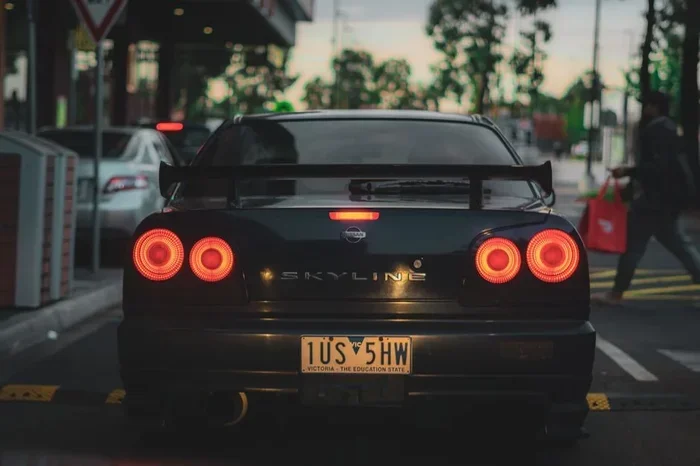
Visual guide about Nissan ABS brake warning
Image source: images.pexels.com
1. Faulty Wheel Speed Sensor
This is the number one reason for a Nissan ABS light on situation. The wheel speed sensor sits near each wheel and monitors rotation speed. Over time, these sensors get dirty, wear out, or break. When one sensor fails, the ABS module loses the data it needs and triggers the light.
Common signs of a bad wheel speed sensor include:
- The ABS light stays on steadily
- The traction control light also comes on
- ABS engages randomly or not at all
- Rough or inconsistent braking on wet roads
Replacing a wheel speed sensor is usually affordable and straightforward. Most Nissan models make the sensor easy to access. You can do it yourself with basic tools, or a mechanic can handle it in under an hour.
2. Low Brake Fluid Level
Your brake system relies on fluid to transfer pressure from the pedal to the brakes. When the brake fluid level drops too low, the ABS light can come on. This happens for a few reasons. Brake pads wear down over time, which causes the fluid level in the reservoir to drop. Or you might have a small leak somewhere in the system.
Check your brake fluid reservoir under the hood. It is usually located near the back of the engine bay on the driver side. The fluid should be between the minimum and maximum marks. If it is low, top it off with the correct type of brake fluid for your Nissan model. You can find this information in your owner manual.
But here is a quick tip. If your brake fluid keeps dropping, you have a leak. Do not just keep topping it off. Get the system inspected by a professional. A brake fluid leak is a serious safety issue.
3. Failed ABS Module or Pump
The ABS module controls the entire system. It is the brain behind the anti-lock function. In some Nissan models, especially older ones, the ABS module can fail due to internal corrosion or electrical issues. When this happens, the light stays on and the ABS system stops working entirely.
A failing ABS pump can also cause the light to come on. You might hear a grinding or clicking noise when you press the brake pedal. If the pump is not engaging properly, the system cannot regulate brake pressure. This type of repair can be more expensive, but it is essential for your safety.
4. Blown ABS Fuse or Wiring Problem
Sometimes the fix is simple. A blown fuse can cut power to the ABS system and trigger the warning light. Check your fuse box, which is usually located under the dashboard on the driver side or under the hood. Look for the ABS fuse and inspect it. If the metal strip inside is broken, replace it with a fuse of the same rating.
Wiring problems are a bit trickier. Corroded connectors, damaged wires, or loose grounds can all cause the ABS light to come on. This is especially common in older Nissans that have been exposed to road salt and moisture over the years.
5. ABS Relay Failure
The ABS relay sends power to the ABS pump and module. If the relay goes bad, the system loses power and the light turns on. Relay failures are not as common as sensor issues, but they do happen. A mechanic can test the relay with a multimeter and replace it if needed.
6. Brake Pad or Rotor Issues
Worn brake pads or damaged rotors can also trigger the ABS light in some cases. When the pads wear down significantly, the system may detect uneven braking pressure. This can confuse the ABS module and cause the warning light to illuminate.
Regular brake pad inspections are a great way to prevent this issue. Most Nissan brake pads need replacement every 30,000 to 70,000 miles depending on driving habits and road conditions.
How To Diagnose the ABS Light on Your Nissan
Figuring out exactly what is causing the Nissan ABS light on problem starts with a proper diagnosis. You do not have to guess. There are clear steps you can take to narrow down the cause.
Step 1: Check the Brake Fluid
Open the hood and look at the brake fluid reservoir. If the level is low, top it off and see if the light goes off after a few key cycles. Sometimes simply refilling the fluid resets the system.
Step 2: Inspect the Wheel Speed Sensors
Look at each wheel speed sensor for dirt, debris, or physical damage. Clean them with a soft cloth and brake cleaner spray. If cleaning does not work, use a multimeter to test the sensor resistance. Compare the reading to your Nissan service manual specifications.
Step 3: Use an OBD2 Scanner
This is the most reliable way to diagnose the problem. Plug an OBD2 scanner into the diagnostic port under your dashboard. The scanner will read the trouble codes stored in your ABS module. Each code tells you exactly which part of the system is failing.
For example, a code starting with C0034 might point to a left front wheel speed sensor issue. A code like C0270 could indicate a problem with the ABS pump motor. These codes take the guesswork out of the repair process.
Step 4: Check Fuses and Relays
Go through the fuse box and inspect all ABS-related fuses. Replace any blown fuses and see if the light clears. If the new fuse blows again, you have a deeper electrical issue that needs professional attention.
Can You Still Drive With the ABS Light On?
This is one of the most common questions people ask. The short answer is: you can, but you should not if you can avoid it.
Your regular brakes will still work. You can stop the car. But here is the catch. Without a functioning ABS system, your wheels can lock up when you brake hard on slippery surfaces. On a wet highway or icy road, this can lead to a serious accident. The ABS system is designed to prevent exactly that scenario.
If the ABS light comes on while you are driving, stay calm. Slow down gradually and avoid sudden hard braking. Get to a safe location and turn off the engine. Then check the brake fluid and look for obvious issues. If you cannot find the problem, have the car towed to a repair shop.
When Driving Is Safe and When It Is Not
Driving with the ABS light on is less risky on dry, clear roads at low speeds. But it becomes dangerous on wet, icy, or uneven surfaces. If you live in an area with harsh winters or frequent rain, do not delay the repair.
Also keep in mind that in many states, a vehicle with an active ABS warning light may not pass a safety inspection. Fixing the issue promptly keeps you legal and safe.
DIY Fixes vs. Professional Repairs
Not every ABS light issue requires a trip to the mechanic. Some repairs are simple enough for a home DIYer with basic tools and a little patience.
Fixes You Can Do at Home
- Topping off brake fluid: This is the easiest fix. Buy the correct brake fluid for your Nissan and refill the reservoir. The light should turn off after a few ignition cycles.
- Cleaning wheel speed sensors: A dirty sensor can cause a false warning. Clean it thoroughly and test drive to see if the light resets.
- Replacing a blown fuse: If the fuse is the problem, swapping it out takes just a few minutes.
- Resetting the system: After fixing the issue, disconnect the battery for 15 minutes and reconnect it. This can clear the error code and turn off the light.
Repairs That Need a Professional
- ABS module replacement: This requires advanced diagnostic tools and programming knowledge.
- ABS pump repair: Involves working with hydraulic brake lines and electrical connections.
- Wiring harness repairs: Tracing and fixing damaged wires requires expertise and the right tools.
How To Prevent the ABS Light from Coming Back
Once you have fixed the issue, you want to make sure it stays fixed. Prevention is always better than repair. Here are some tips to keep your ABS brake system healthy and the warning light off.
- Check brake fluid regularly: Inspect the fluid level and color every month. Dark or dirty fluid means it is time for a flush.
- Keep sensors clean: During routine car washes, wipe down the wheel speed sensors and the areas around them.
- Replace brake pads on schedule: Do not wait until the pads are completely worn. Follow the maintenance schedule in your owner manual.
- Address warning lights immediately: The moment any brake-related light comes on, get it checked. Small problems become big expensive ones fast.
- Use quality parts: When replacing sensors, fuses, or fluid, use parts that meet or exceed OEM specifications for your Nissan model.
Quick Maintenance Checklist
- Check brake fluid level monthly
- Inspect wheel speed sensors every 6 months
- Replace brake fluid every 2 years
- Test the ABS system with a scan tool annually
- Listen for unusual noises when braking
- Pay attention to any changes in brake pedal feel
Cost To Repair the ABS Light Issue
The cost to fix a Nissan ABS light on problem varies widely depending on what is causing it. Here is a rough breakdown of common repairs and their costs.
| Repair | Estimated Cost | Difficulty |
|---|---|---|
| Brake fluid top-off | $10 – $30 | Easy |
| Wheel speed sensor replacement | $100 – $250 | Moderate |
| ABS fuse replacement | $5 – $15 | Easy |
| ABS relay replacement | $30 – $80 | Moderate |
| ABS module replacement | $400 – $1,200 | Hard |
| ABS pump repair | $300 – $800 | Hard |
These costs can vary based on your Nissan model, year, and where you live. Labor rates are higher in major cities. DIY repairs can save you a lot of money on the labor portion.
Common Mistakes People Make When the ABS Light Comes On
There are a few mistakes that car owners make when they see the ABS light on. Avoiding these can save you time, money, and headaches.
- Ignoring the light completely: Some people just leave it on and hope it goes away. It will not. The problem will get worse over time.
- Resetting the light without fixing the issue: Clearing the code without addressing the root cause just brings the light back. Always fix the underlying problem first.
- Using the wrong brake fluid: Not all brake fluids are the same. Using the wrong type can damage the ABS system and other brake components.
- Trying to DIY a complex repair: Simple fixes are great for DIY. But replacing an ABS module or pump is not a beginner job. Know your limits.
- Delaying the repair: Every day you drive with a faulty ABS system is a day you are less safe on the road.
Expert Insight: What Mechanics Wish You Knew
Experienced mechanics see the Nissan ABS light on issue all the time. Here is what they want you to understand. The ABS system is designed to protect you during emergency stops. It is not a luxury feature. It is a critical safety system. When it fails, your stopping distance increases, especially on wet or uneven surfaces.
Many mechanics also recommend getting a full brake system inspection whenever the ABS light comes on. Since the ABS works closely with your regular brakes, traction control, and stability control, one fault can affect all of these systems. A comprehensive check ensures nothing else is hiding behind the warning light.
Final Thoughts
Seeing the Nissan ABS light on can feel stressful, but it does not have to be a panic moment. In most cases, the cause is something simple like a dirty sensor or low brake fluid. With the right knowledge and a little patience, you can often diagnose and fix the problem yourself.
Remember to always prioritize safety. If you are unsure about any part of the diagnosis or repair, take your Nissan to a trusted mechanic. The brake system is not something you want to cut corners on. A quick inspection now can save you from a much bigger problem down the road.
Stay on top of your brake maintenance, listen to your car, and never ignore warning lights. Your Nissan is built to keep you safe, and a properly functioning ABS system is a big part of that. Take action today, and drive with confidence tomorrow.
Frequently Asked Questions
What does it mean when the ABS light comes on in my Nissan?
The ABS light means the anti-lock braking system has detected a fault. This could be a bad wheel speed sensor, low brake fluid, a failed ABS module, or a wiring issue. The system needs to be diagnosed with a scan tool to find the exact cause.
Can I drive my Nissan with the ABS light on?
You can drive carefully on dry roads, but it is not safe on wet or icy surfaces. The ABS system helps prevent wheel lockup during hard braking. Without it, you lose that protection. Have the issue diagnosed and repaired as soon as possible.
How much does it cost to fix the ABS light on a Nissan?
The cost depends on the cause. Simple fixes like topping off brake fluid or replacing a fuse cost under $30. Wheel speed sensor replacements run $100 to $250. More complex repairs like ABS module replacement can cost $400 to $1,200.
Will the ABS light reset itself after fixing the problem?
Sometimes it does. After you fix the issue, the light may turn off after a few ignition cycles. If it stays on, you may need to clear the trouble code with an OBD2 scanner. If the light comes back, the problem is not fully resolved yet.
Is a bad wheel speed sensor the most common cause of the ABS light?
Yes, a faulty or dirty wheel speed sensor is the most common reason for the ABS light on most Nissan models. These sensors are exposed to road dirt, moisture, and heat, which can cause them to fail over time. Cleaning or replacing them usually solves the problem.
How often should I check my brake fluid to prevent ABS light issues?
Check your brake fluid level at least once a month. Also have the fluid flushed and replaced every two years. Keeping the fluid clean and at the proper level helps the entire brake system, including the ABS, work properly.
=== CONCLUSION ===
The Nissan ABS light on dashboard is a warning you should take seriously. Whether it is a simple low brake fluid issue or a more complex ABS module failure, getting it checked promptly keeps you safe and prevents bigger repairs down the road. Use the diagnostic steps in this guide to narrow down the cause, and do not hesitate to seek professional help when needed. Your brake system is one of the most important safety features in your Nissan. Treat it with care, and it will take care of you.