Light Vehicle Air Conditioning Components Explained Guide
Understanding light vehicle air conditioning components helps you maintain a comfortable ride all year long. This guide breaks down every major part of your car AC system, from the compressor to the evaporator. You will learn how each component works, common problems to watch for, and simple tips to keep your system running strong.
Every time you turn on the AC in your car, a complex system of parts kicks into action. Light vehicle air conditioning components work together to move heat from inside your cabin to the outside. The result is cool, comfortable air that makes driving enjoyable in any season.
But how much do you really know about what is happening under your hood? Many drivers flip a switch and expect cold air without thinking about the parts that make it possible. This guide explains every major light vehicle air conditioning component in simple terms. Whether you are a curious car owner or someone facing an AC repair bill, you will find practical insights here.
The automotive air conditioning system in your car is surprisingly elegant. It uses a cycle of compression, condensation, expansion, and evaporation to cool the air. Each part plays a specific role, and when one fails, the whole system suffers. Let us walk through each component step by step so you understand how your car stays cool.
Key Takeaways
- The compressor is the heart of your light vehicle air conditioning components, pumping refrigerant through the whole system.
- The condenser and evaporator work together to release heat inside and cool the air you breathe.
- The expansion valve and receiver drier control refrigerant flow and keep moisture out of your AC system.
- Regular maintenance like checking refrigerant levels and replacing cabin filters prevents costly AC repairs.
- Understanding how each part works helps you spot problems early and talk confidently with your mechanic.
- Common issues like refrigerant leaks, faulty AC clutches, and clogged expansion valves are easy to prevent with proper care.
- Blower motors and cabin filters directly affect the air quality and cooling performance inside your vehicle.
📑 Table of Contents
- How the Light Vehicle Air Conditioning System Works
- The Compressor: The Heart of the System
- The Condenser: Releasing Heat Outside
- The Expansion Valve and Orifice Tube
- The Evaporator: Cooling Your Cabin Air
- The Receiver Drier and Accumulator
- Blower Motor and Cabin Filter
- Common Light Vehicle AC Problems and How to Fix Them
- How to Keep Your AC System in Top Shape
- Conclusion
How the Light Vehicle Air Conditioning System Works
Before diving into individual parts, it helps to understand the big picture. Your car AC operates on a closed loop of refrigerant. This refrigerant cycles through different parts, changing from a gas to a liquid and back again. Each change of state moves heat from inside your car to the outside air.
The four main stages of this process are compression, condensation, expansion, and evaporation. The light vehicle air conditioning components responsible for these stages include the compressor, condenser, expansion device, and evaporator. Together, they form a circle of cooling that never stops as long as your AC is running.
Think of it like a relay race. Each part passes the refrigerant to the next one in a specific order. If one runner drops the baton, the whole team slows down. That is exactly what happens when a single component in your AC system fails.
The Compressor: The Heart of the System
The compressor is often called the heart of your automotive air conditioning system. It is the part that drives the entire refrigerant cycle. Without a working compressor, no cooling happens at all. This is one of the most important light vehicle air conditioning components you will ever need to understand.
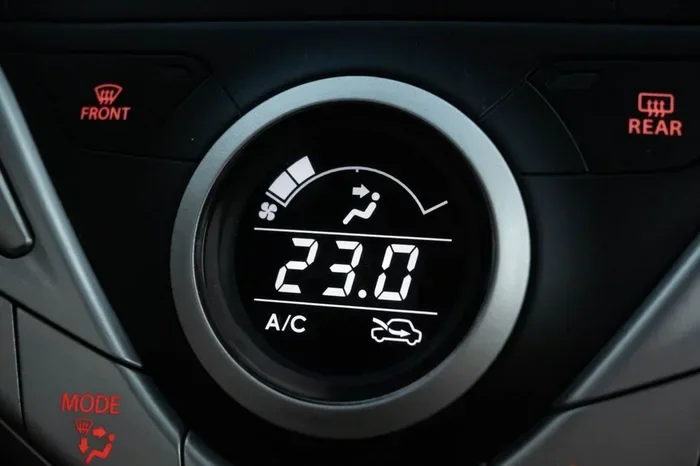
Visual guide about car AC components
Image source: images.pexels.com
How the Compressor Works
The compressor takes low-pressure refrigerant gas from the evaporator and squeezes it into a high-pressure gas. This compression raises the temperature of the refrigerant significantly. The hot, pressurized gas then moves to the condenser, where it releases heat to the outside air.
Your compressor is driven by the engine through a belt and an AC clutch. When you turn on the AC, the clutch engages and spins the compressor. When you turn it off, the clutch disengages so the compressor stops working. This clever design saves engine power when you do not need cooling.
Common Compressor Problems
- AC clutch failure: The clutch may stop engaging, which means the compressor does not run at all.
- Internal leaks: Worn seals inside the compressor can cause refrigerant loss over time.
- Noisy operation: Grinding or squealing sounds from the compressor often mean bearing damage.
- Low refrigerant: Running the compressor with too little refrigerant can cause overheating and failure.
A quick tip: if you notice warm air blowing from your vents, listen for the AC clutch engaging. If you hear no click when you turn the AC on, the clutch or compressor may need attention. Early detection can save you from a full AC compressor replacement.
The Condenser: Releasing Heat Outside
The condenser looks like a small radiator located at the front of your vehicle. Its job is to release the heat that the compressor packed into the refrigerant. As hot gas flows through the condenser coils, the outside air cools it down. The refrigerant then changes from a gas into a high-pressure liquid.
Why the Condenser Matters
Without a functioning condenser, the refrigerant cannot release heat properly. This means the whole cooling cycle breaks down. Your car would blow warm air no matter how hard the AC works. The condenser is one of the essential light vehicle air conditioning components that keeps the heat transfer process moving forward.
Because the condenser sits at the front of the car, it is exposed to road debris, bugs, and dirt. Over time, these can clog the fins and reduce airflow. A clogged condenser forces your AC to work harder, which increases fuel consumption and wear on the compressor.
Tips for Condenser Maintenance
- Wash the front of your car regularly to remove dirt and debris from the condenser fins.
- Check for physical damage after driving on rough roads or through construction zones.
- Look for oily residue around the condenser, which can signal a refrigerant leak.
- Have your automotive air conditioning system inspected during every oil change or service visit.
One common mistake drivers make is ignoring a slightly bent condenser fin. Even a small blockage can reduce cooling efficiency by a noticeable amount. A simple fin comb can straighten bent fins and restore proper airflow. This is an easy and cheap fix that many people overlook.
The Expansion Valve and Orifice Tube
After the condenser turns the refrigerant into a high-pressure liquid, it needs to expand and cool down. This is where the expansion valve or orifice tube comes in. These devices control the flow of refrigerant into the evaporator and create the pressure drop needed for cooling.
Some vehicles use a thermal expansion valve, while others use a fixed orifice tube. Both serve the same basic purpose, but they work in slightly different ways. The expansion valve adjusts refrigerant flow based on the temperature at the evaporator. The orifice tube creates a constant restriction and relies on the system to regulate pressure.
Expansion Valve vs. Orifice Tube
| Feature | Expansion Valve | Orifice Tube | Light Vehicle Air Conditioning Components Context |
|---|---|---|---|
| Adjusts Flow | Yes, automatically | No, fixed restriction | Both are key AC parts |
| Location | Between condenser and evaporator | At the evaporator inlet | Found in most cars and trucks |
| Complexity | More complex | Simpler design | Affects repair cost |
| Common Issues | Stuck open or closed | Clogging with debris | Leads to poor cooling |
A clogged orifice tube is one of the most common reasons for weak AC cooling. Debris and moisture can build up inside the tube and restrict refrigerant flow. This is why mechanics often recommend replacing the orifice tube and the receiver drier whenever the system is opened for repair.
The Evaporator: Cooling Your Cabin Air
The evaporator is the part that actually cools the air you breathe inside your car. It is located inside the dashboard, near the blower motor. As the low-pressure refrigerant enters the evaporator, it absorbs heat from the cabin air passing over its coils. This process cools the air, and the blower motor pushes it through the vents into your car.
How the Evaporator Works
The refrigerant inside the evaporator is cold and low-pressure. When warm cabin air blows across the evaporator coils, the refrigerant absorbs that heat. The refrigerant then turns back into a gas and travels back to the compressor to start the cycle again. This continuous loop is what keeps your car cool on hot days.
The evaporator also plays an important role in dehumidifying the air. As moisture condenses on the cold coils, it drains out of your car. This is why you sometimes see water dripping under your vehicle when the AC is running. It is completely normal and a sign that your evaporator is working properly.
Evaporator Problems to Watch For
- Refrigerant leak: Corrosion or vibration can cause small leaks in the evaporator core.
- Mold and mildew: Moisture buildup inside the evaporator can create unpleasant smells.
- Reduced airflow: A clogged evaporator drain tube can cause water to pool inside the cabin.
- Weak cooling: Low refrigerant levels reduce the evaporator’s ability to absorb heat.
If you notice a musty smell when you first turn on your AC, the evaporator may have mold growth. Running the defrost mode for a few minutes before turning on the AC can help dry out the evaporator and reduce odor. This is a simple habit that extends the life of your light vehicle air conditioning components.
The Receiver Drier and Accumulator
These small but essential parts protect your AC system from moisture and debris. The receiver drier is used in systems with a thermal expansion valve, while the accumulator is used in systems with an orifice tube. Both serve the same purpose: they filter the refrigerant and remove any moisture that may have entered the system.
Why Moisture Is Dangerous
Moisture inside an AC system can cause serious damage. When water mixes with refrigerant, it creates acidic compounds that corrode metal parts and damage seals. Over time, this corrosion leads to leaks and component failure. Replacing the receiver drier or accumulator is a cheap insurance policy against expensive repairs.
Always replace the receiver drier or accumulator whenever the system is opened for service. Exposure to air introduces moisture, and even a few minutes of open system can cause contamination. This is one of those small steps that makes a big difference in the longevity of your light vehicle air conditioning components.
Quick Tips for System Protection
- Have your AC recharge done by a professional who uses proper vacuum and charging equipment.
- Never open the system without a plan to seal it quickly.
- Replace the receiver drier or accumulator every time the system is serviced.
- Use only the manufacturer-recommended refrigerant type for your vehicle.
Blower Motor and Cabin Filter
Not all light vehicle air conditioning components are part of the refrigeration cycle. The blower motor and cabin filter are equally important for delivering cool air to your cabin. The blower motor pushes air through the evaporator and into the vents, while the cabin filter cleans the air before it enters the car.
The Blower Motor
The blower motor is an electric fan located behind the dashboard. It comes in different speeds and controls how much air flows through the vents. When the blower motor fails, you may notice no air coming from the vents at all, or only air on certain speed settings.
Common blower motor issues include worn resistors, faulty motors, and clogged cabin filters that restrict airflow. Replacing a blower motor resistor is usually inexpensive, but a full motor replacement can cost more. Regularly checking and replacing your cabin filter can prevent many blower motor problems.
The Cabin Filter
The cabin filter, sometimes called the pollen filter, traps dust, pollen, and debris from the outside air. A clogged cabin filter reduces airflow and makes the AC work harder. This not only reduces cooling performance but also puts extra strain on the blower motor and the compressor.
Most manufacturers recommend replacing the cabin filter every 12,000 to 15,000 miles. If you drive in dusty or polluted areas, you may need to replace it more often. A clean cabin filter is one of the simplest ways to keep your automotive air conditioning system running efficiently.
Common Light Vehicle AC Problems and How to Fix Them
Even well-maintained systems can develop problems over time. Understanding the most common issues helps you act quickly and avoid costly repairs. Here are some of the top problems with light vehicle air conditioning components and what you can do about them.
Refrigerant Leaks
Refrigerant leaks are the number one cause of poor AC cooling. Over time, rubber seals and hoses can dry out and develop tiny cracks. When refrigerant escapes, the system loses its ability to cool. You may notice the AC works well at first but then gradually gets weaker.
A certified mechanic can use a UV dye or electronic leak detector to find the source of the leak. Once repaired, the system needs to be recharged with the correct amount of refrigerant. Never add refrigerant yourself without first finding and fixing the leak, or the problem will just return.
AC Pressure Switch Failure
The AC pressure switch monitors the pressure of the refrigerant on both the high and low sides of the system. If the pressure drops too low or rises too high, the switch shuts off the compressor to prevent damage. A faulty pressure switch can cause the AC to cut in and out randomly or not work at all.
Replacing an AC pressure switch is usually straightforward and affordable. However, the real question is why the pressure changed in the first place. Often, a pressure switch failure is a symptom of a deeper problem like a low refrigerant level or a failing compressor.
Clogged AC Hoses
The AC hoses that connect all the major components can become clogged with debris and old refrigerant oil. A clogged hose restricts refrigerant flow and reduces cooling performance. In severe cases, a completely blocked hose can stop the system from working entirely.
Flushing the AC lines during a system repair helps prevent clogs. This is especially important when replacing a compressor or other major component. Any debris released during the repair can travel through the system and clog smaller passages.
How to Keep Your AC System in Top Shape
Prevention is always better than repair when it comes to your light vehicle air conditioning components. A few simple habits can extend the life of your entire AC system and keep you cool for years to come.
Seasonal AC Maintenance Tips
- Run your AC for at least 10 minutes every week, even in winter. This keeps the seals lubricated and prevents them from drying out.
- Have a professional check your refrigerant levels once a year. Low refrigerant is the most common cause of poor cooling.
- Replace the cabin filter on schedule. Clean airflow is essential for system performance.
- Inspect the condenser and compressor belt for wear during every oil change.
- Address any unusual smells, noises, or weak airflow immediately. Early diagnosis prevents small problems from becoming big ones.
When to Seek Professional Help
While some AC maintenance tasks are DIY-friendly, others require professional tools and expertise. If your AC blows warm air, makes strange noises, or cycles on and off frequently, it is time to see a mechanic. A professional can perform a full AC recharge, pressure test, and leak inspection to get your system back in shape.
Do not ignore warning signs. A small refrigerant leak left unchecked can eventually damage the compressor. Replacing a compressor costs significantly more than fixing a small leak early. Staying proactive with your automotive air conditioning maintenance saves money and keeps you comfortable on the road.
Conclusion
Your car’s air conditioning system is a marvel of engineering. Every light vehicle air conditioning component plays a vital role in keeping you cool and comfortable. From the compressor that drives the cycle to the evaporator that cools your cabin air, each part depends on the others to work properly.
Understanding how these components work empowers you as a car owner. You can spot problems early, communicate better with your mechanic, and take simple steps to prevent costly repairs. Regular maintenance, timely refrigerant checks, and prompt attention to warning signs go a long way in keeping your AC system healthy.
Take the time to learn your vehicle and its light vehicle air conditioning components. Your future self will thank you when your AC keeps blowing cold air, even on the hottest days of the year. Stay cool, stay informed, and enjoy every drive.
Frequently Asked Questions
What are the main light vehicle air conditioning components?
The main components include the compressor, condenser, expansion valve or orifice tube, evaporator, receiver drier or accumulator, blower motor, and cabin filter. Each part plays a specific role in the cooling cycle that keeps your car interior comfortable.
How often should I have my car AC system serviced?
Most experts recommend having your automotive air conditioning system inspected at least once a year, ideally before summer. Regular checks help catch refrigerant leaks, low refrigerant levels, and worn components before they cause major problems.
Why is my car AC blowing warm air?
Warm air from the vents is often caused by low refrigerant levels, a faulty compressor, or a clogged expansion valve. A professional AC recharge and leak inspection can identify the exact cause and get your system cooling again.
Can I recharge my car AC myself?
While DIY AC recharge kits are available, they are not always the best solution. Adding refrigerant without fixing a leak just wastes money. A professional can properly diagnose the issue, repair any leaks, and recharge the system with the correct amount of refrigerant.
How do I prevent my AC system from developing problems?
Run your AC regularly, even in winter, to keep seals lubricated. Replace the cabin filter on schedule, wash the condenser fins to maintain airflow, and address any unusual smells or noises immediately. These simple habits prevent most common AC issues.
What is the average cost of repairing light vehicle air conditioning components?
Costs vary widely depending on the part and vehicle model. A simple AC recharge may cost under 100, while replacing a compressor can range from 500 to 1500 or more. Early detection of problems is the best way to keep repair costs low and avoid expensive replacements.