Buying Used Cars in California What You Need to Know
Buying a used car in California can save you thousands compared to purchasing new. This guide covers everything from smog check requirements and vehicle history reports to financing options and legal paperwork. You will learn practical tips to avoid common mistakes and make a confident purchase.
Buying a used car in California is one of the smartest financial moves many people make. A pre-owned vehicle costs significantly less than a new one, and you still get a reliable ride. But the process comes with unique challenges. California has specific rules around smog checks, registration, and disclosures that every buyer should understand.
Whether you are a first-time buyer or someone looking to upgrade, this guide walks you through every step. You will learn how to find the right car, avoid common pitfalls, and handle the legal requirements with confidence. Let us dive in.
Key Takeaways
- Smog checks are mandatory in California: Most used cars need a valid smog certificate before you can complete the sale.
- Get a vehicle history report every time: Services like Carfax or AutoCheck can reveal hidden problems and protect your investment.
- Know your California lemon law rights: If a used car turns out to be defective, you may have legal protection.
- Budget beyond the sticker price: Factor in registration fees, insurance, smog costs, and potential repairs.
- Inspect the car thoroughly: A pre-purchase inspection by a trusted mechanic is one of the smartest steps you can take.
- Compare financing options: Shop around for auto loans from banks, credit unions, and dealers to get the best rate.
- Handle paperwork correctly: A proper bill of sale and title transfer protect both buyer and seller.
📑 Table of Contents
- Why Buying a Used Car in California Makes Sense
- Understanding California’s Smog and Emission Rules
- Where to Find Used Cars for Sale in California
- How to Inspect and Evaluate a Pre-Owned Vehicle
- The Paperwork and Legal Steps You Cannot Skip
- Financing Your Used Car Purchase in California
- Common Mistakes to Avoid When Buying a Used Car
- Final Thoughts
Why Buying a Used Car in California Makes Sense
There are many reasons to consider buying a used car in California. The biggest one is money. New cars lose value fast, a process called vehicle depreciation. In the first year alone, a new car can drop 20% in value. Used cars have already gone through that steep decline.
Another advantage is lower insurance costs. Insurance companies base premiums on the car’s value. A pre-owned vehicle typically costs less to insure than a brand-new model. This adds up to real savings over time.
More Car for Your Budget
When you buy used, you can often afford a higher trim level or a more reliable model. For example, a three-year-old used cars for sale California listings might include features that were optional extras on a brand-new model. You get better quality without paying the new-car premium.
Many pre-owned vehicles California buyers also appreciate the wider selection. The used market offers everything from compact sedans to trucks and SUVs. You are not limited to whatever is on the lot at a single dealership.
Understanding California’s Smog and Emission Rules
California has some of the strictest emission standards in the country. Before you finalize any buying used car in California deal, you need to understand the smog requirements. These rules exist to protect air quality, and they affect every vehicle transaction.
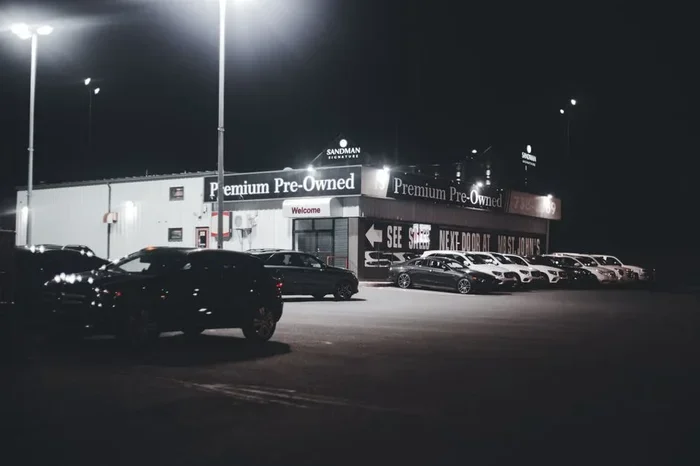
Visual guide about Used car dealership California
Image source: images.pexels.com
When Do You Need a Smog Certificate?
Most used cars in California need a smog certificate to change ownership. The certificate proves the vehicle meets state emission standards. There are a few exceptions, though. Vehicles less than four years old are usually exempt from a smog check.
Diesel vehicles made before 1998 are also exempt. And certain classic cars over 25 years old may not need one either. But for the average buyer, a valid smog certificate is a must-have document.
What Happens If a Car Fails Smog?
If a car fails the smog check, the seller is usually responsible for fixing the problem. Many used car sales in California include a smog contingency clause. This means the deal depends on the car passing smog.
Always ask for a smog certificate before you commit money. A failed smog test can mean expensive repairs, and those costs fall on the new owner once the sale is complete.
Quick Tip: Ask the seller for a recent smog certificate. If the car is less than four years old, check the smog status online through the California DMV website. It is free and takes only a few minutes.
Where to Find Used Cars for Sale in California
Finding used cars for sale California has never been easier. You have many options, from online marketplaces to local dealerships. Each has its pros and cons, so it helps to know what you are looking at.
Online Marketplaces
Websites like CarGurus, AutoTrader, and Cars.com list thousands of pre-owned vehicles across the state. You can filter by price, mileage, location, and make. These platforms often include vehicle history reports and seller ratings.
One of the best things about shopping online is convenience. You can browse hundreds of listings from your couch. You also have time to compare prices and read reviews before reaching out.
Dealerships and Certified Pre-Owned Programs
Local dealerships remain a popular choice for many buyers. A certified pre-owned program adds extra layers of protection. These vehicles go through a rigorous inspection and often come with a warranty.
Certified pre-owned cars typically cost more than regular used vehicles. But the peace of mind is worth it for many buyers. You get a nearly new car with fewer risks.
Private Party Sales
Buying from a private seller can save you money. There is no dealership markup, and the price is often more flexible. However, you take on more responsibility for the car buying tips and inspection process.
Always meet in a public place and bring a friend. Get a vehicle history report before you commit. And never hand over money until you have completed all the paperwork.
How to Inspect and Evaluate a Pre-Owned Vehicle
Inspecting a used car properly is one of the most important steps in the process. A thorough car inspection checklist can save you from buying a lemon. Here is what you should look for.
Exterior Inspection
Start with the body of the car. Look for rust, dents, or mismatched paint. These could signal previous accidents or poor maintenance. Check the tires for even wear. Uneven wear might indicate alignment or suspension problems.
Look at the windows and windshield for cracks. Test all the lights, including headlights, brake lights, and turn signals. Small exterior issues can sometimes point to bigger neglect inside.
Interior and Mechanical Check
Sit in the driver’s seat and test every control. The air conditioning, radio, power windows, and seats should all work. Check the odometer reading and compare it to the odometer disclosure statement provided by the seller.
Look under the hood for leaks or corrosion. Check the oil level and color. Dark, gritty oil suggests the car has not been well maintained. Inspect the battery terminals for corrosion as well.
The Test Drive
A test drive is non-negotiable. Drive the car on both city streets and highways. Listen for unusual sounds from the engine, brakes, or suspension. Test the brakes at different speeds.
Pay attention to how the car handles. Does it pull to one side? Does the steering feel loose or stiff? These test drive tips can reveal problems that a visual inspection might miss.
Get a Professional Pre-Purchase Inspection
Even if the car looks great, get a professional inspection. A trusted mechanic can spot hidden issues that an untrained eye would miss. This small investment can save you thousands in future repairs.
Many car buying tips experts recommend spending $100 to $200 on a pre-purchase inspection. It is one of the best returns on investment you will ever get.
The Paperwork and Legal Steps You Cannot Skip
Handling the paperwork correctly is essential when you buy a used car in California. Skipping or rushing through legal steps can create big problems down the road.
Title Transfer and Registration
The seller must sign over the vehicle title to you. This is the most important document in the transaction. The title proves ownership and contains the vehicle identification number, or VIN.
After the sale, you have 10 days to register the vehicle with the California DMV. You will need the signed title, a bill of sale, and proof of insurance. The title transfer California process is straightforward but time-sensitive.
The Bill of Sale
A bill of sale California documents the details of the transaction. It should include the purchase price, the date of sale, and the names and addresses of both parties. This document protects both the buyer and the seller.
Some counties in California require a notarized bill of sale. Check your local requirements before finalizing the deal. A proper bill of sale also helps with insurance claims and registration.
Odometer Disclosure
Federal law requires an odometer disclosure statement for most vehicle sales. The seller must certify the mileage reading at the time of sale. If the odometer has been rolled back, this is a serious legal violation.
Always compare the odometer reading on the bill of sale with the reading on the dashboard. Discrepancies are a red flag and should raise serious concerns about the vehicle’s history.
California Lemon Law Protections
Many people do not know that California has a California lemon law that applies to used vehicles in some cases. If a used car has a serious defect that the seller knew about and did not disclose, you may have legal recourse.
The lemon law is strongest for cars sold with a written warranty. If a dealer sells a certified pre-owned vehicle with a warranty and the car develops a major problem, the dealer may be obligated to repair or replace it.
Always read the sales contract carefully. Understand what is covered and what is not. If something seems unclear, ask questions before you sign.
Financing Your Used Car Purchase in California
How you pay for your buying used car in California purchase matters more than most people realize. The right financing strategy can save you hundreds or even thousands of dollars over the life of the loan.
Know Your Credit Score
Your credit score is the biggest factor in your auto loan rate. Before you start shopping, check your credit report for errors. A higher score means lower interest rates and better loan terms.
If your credit score is low, consider improving it before applying for a loan. Even a small increase can save you significant money over time. You can also explore auto financing used car options designed for buyers with less-than-perfect credit.
Shop Around for the Best Rate
Do not accept the first financing offer you receive. Shop around with banks, credit unions, and online lenders. Each institution has different criteria and rates. Comparing at least three offers gives you leverage.
Credit unions often offer better rates than big banks. And many online lenders provide pre-approval quickly, sometimes in minutes. Having your own financing in hand also gives you more negotiating power at the dealership.
Budgeting Beyond the Monthly Payment
It is tempting to focus only on the monthly payment. But you need to consider the total cost of the loan. A longer loan term means smaller monthly payments but more interest paid over time.
Also factor in the cost of insurance, fuel, maintenance, and registration. A car that looks cheap upfront can become expensive if it has hidden mechanical issues. Always build a budget for car purchase that accounts for all of these costs.
Quick Tip: Aim for a car loan with a term of 48 months or less. This keeps your monthly payment manageable and reduces the total interest you pay. Avoid stretching the loan to 72 or 84 months just to lower the payment.
Common Mistakes to Avoid When Buying a Used Car
Even experienced buyers make mistakes. Learning from others’ errors can save you time, money, and frustration. Here are the most common pitfalls to avoid.
Skipping the Vehicle History Report
Never buy a used car without a vehicle history report. A Carfax or AutoCheck report reveals accident history, title brands, service records, and ownership history. Skipping this step is like flying blind.
Ignoring the Smog Certificate
In California, a missing smog certificate is a dealbreaker. Do not let a seller pressure you into buying without one. You could end up stuck with a car you cannot register.
Not Negotiating the Price
Many buyers accept the first price offered. But negotiation is expected in the used car market. Research fair market value using tools like Kelley Blue Book or Edmunds. Use that data to negotiate confidently.
Rushing the Decision
Pressure to buy quickly is a red flag. Take your time. Walk away if a seller rushes you or refuses to let you inspect the car. The right vehicle will still be available tomorrow.
Final Thoughts
Buying a used car in California is a smart and rewarding process when you go in prepared. From understanding smog requirements to handling title transfers and financing, every step matters. The more you know, the better your decision will be.
Always get a vehicle history report. Always inspect the car thoroughly. And never rush into a deal without understanding the paperwork. These simple habits protect your investment and give you peace of mind.
Use the car buying tips in this guide to navigate the used car market with confidence. Whether you are buying from a dealership or a private seller, preparation is your greatest asset. Happy car shopping!
Frequently Asked Questions
Do I need a smog certificate to buy a used car in California?
Yes, most used cars in California need a valid smog certificate to complete the sale. Vehicles less than four years old are usually exempt. Always ask the seller for the smog certificate before you commit to buying.
How much should I budget for a used car in California?
A good rule is to spend no more than 10% of your monthly income on car-related costs. This includes the loan payment, insurance, fuel, and maintenance. Also set aside money for smog fees and registration costs.
Is it better to buy from a dealership or a private seller?
Dealerships offer more protection and often provide warranties. Private sales usually cost less but come with more risk. A certified pre-owned dealership vehicle offers a good balance of price and protection.
What should I look for in a vehicle history report?
Look for accident history, title brands, service records, and ownership changes. A clean title with regular service records is ideal. Any signs of flood damage or major accidents should make you reconsider the purchase.
How long does it take to register a used car in California?
You have 10 days from the date of sale to register the vehicle with the California DMV. You will need the signed title, a bill of sale, proof of insurance, and payment for the registration fee.
Does California’s lemon law cover used cars?
Yes, the California lemon law can apply to used cars, especially those sold with a written warranty. If the vehicle has a serious defect that the seller knew about, you may have legal options. Always read the sales contract carefully and keep all documentation.