Car Wont Start Battery Charged When Cold Solutions
A car that wont start even with a fully charged battery in cold weather is a frustrating but common problem. The root causes range from thickened engine oil and corroded terminals to aging batteries that lose capacity in low temperatures. This guide walks you through every reason your vehicle may refuse to turn over on a freezing morning and gives you clear, actionable steps to fix and prevent the issue. You will learn how to diagnose the real problem, choose the right battery, and keep your car running all winter long.
There is nothing quite like the sinking feeling of turning the key and hearing nothing but silence. You know the battery is charged. You even checked it last night. Yet your car wont start battery charged when cold, and you are standing in the freezing air wondering what went wrong.
This situation happens to millions of drivers every winter. The good news is that most causes are easy to identify and fix once you know what to look for. Whether you are dealing with old age, corrosion, or a mechanical issue, this guide covers every angle. You will walk away with a clear understanding of why cold weather causes starting problems and exactly how to solve them.
Let us break down the science, the symptoms, and the solutions step by step. No fluff, no confusing jargon. Just practical advice that works.
Key Takeaways
- Cold Cranking Amps (CCA) matter most: A battery with insufficient CCA will fail in low temperatures even when fully charged.
- Corroded terminals are a hidden killer: Even a small amount of buildup can block the current your engine needs to start.
- Thickened oil adds strain: Cold weather makes engine oil sluggish, forcing the battery to work much harder than normal.
- Parasitic drain gets worse in winter: Small electrical draws that seem harmless in summer can drain a battery when it is already weakened by cold.
- Prevention is cheaper than repair: Simple habits like using a battery maintainer and parking in a garage can save you from repeated cold-start failures.
- Know when to replace: A battery older than three to five years may not hold a charge well in winter and should be tested regularly.
📑 Table of Contents
- Why Cold Weather Makes Your Car Hard to Start
- Common Reasons Your Car Wont Start Battery Charged When Cold
- How to Diagnose the Real Problem
- Quick Tips to Get Your Car Running in the Cold
- Prevention: How to Keep Your Car Starting All Winter
- When to Replace Your Battery Instead of Repairing It
- Expert Insights on Cold Weather Starting
- Final Thoughts on Fixing Cold-Weather Starting Problems
Why Cold Weather Makes Your Car Hard to Start
Understanding the root cause is the first step toward a fix. Cold weather affects your vehicle in several ways, and most of them involve your battery more than you might think.
Cold Cranking Amps Drop in Low Temperatures
Every battery is rated for cold cranking amps, or CCA. This number tells you how much power the battery can deliver at zero degrees Fahrenheit. When temperatures drop, the chemical reaction inside the battery slows down. A fully charged battery at 80 degrees may deliver 100 percent of its rated CCA. That same battery at 0 degrees might only deliver 40 to 60 percent.
This means even a healthy battery can struggle in extreme cold. If your battery is already weak or undersized for your climate, the problem becomes even worse. The engine needs a burst of energy to turn over, and if the battery cannot deliver it, you get silence when you turn the key.
Thickened Engine Oil Adds Extra Strain
Engine oil becomes thicker in cold weather. Think of it like honey left in the fridge. It moves slower and resists flow. When your oil is thick, the engine has to work harder to turn over. That extra resistance demands more power from the battery.
Many drivers do not realize that the problem is not just the battery. It is a combination of the battery and the oil working against each other. Using the wrong weight oil for winter can make a starting problem much worse.
Chemical Reactions Slow Down Inside the Battery
A lead-acid battery relies on a chemical reaction between lead plates and sulfuric acid. Cold temperatures slow this reaction significantly. Even if the battery is fully charged, the reduced chemical activity means less power output. This is why a battery that tests fine in a warm shop might fail on a cold morning.
Common Reasons Your Car Wont Start Battery Charged When Cold
Now that you understand the science, let us look at the specific reasons your car may refuse to start in cold weather. Each one is a common culprit that mechanics see all winter long.
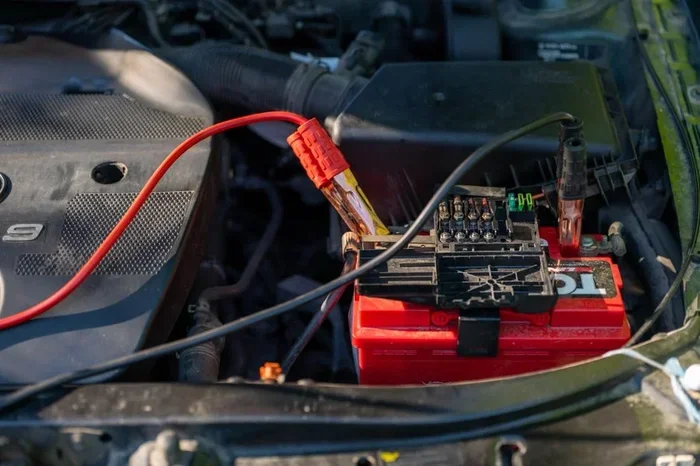
Visual guide about dead car battery cold
Image source: images.pexels.com
Corroded or Loose Battery Terminals
Battery terminals are the connection points between your battery and the rest of the electrical system. Over time, these terminals can develop a white or blue-green buildup called corrosion. Even a thin layer of corrosion acts like an insulator. It blocks the electrical current from flowing freely to the starter motor.
In warm weather, a small amount of corrosion might not cause any issues. But in cold weather, when your battery is already delivering less power, that small barrier becomes a big problem. The starter motor simply does not receive enough current to crank the engine.
Here is how to check for corrosion:
- Look at the positive and negative terminals on your battery.
- Check for a white, blue, or greenish powdery substance.
- Feel for any roughness or pitting on the metal connections.
- Wiggle the cable clamps gently. Loose connections will feel sloppy.
Aging Battery That Cannot Hold a Full Charge
Most car batteries last between three and five years. As a battery ages, its internal plates degrade and it loses the ability to hold a full charge. A battery that reads 12.6 volts on a tester might still be too weak to start an engine in cold weather if it cannot deliver sustained current under load.
This is one of the most overlooked reasons a car wont start battery charged when cold. The voltage reads fine at rest, but the moment you ask the starter to turn the engine, the voltage drops below what is needed. This is why a simple voltage test is not always enough. A load test under cold conditions gives a much more accurate picture.
Parasitic Electrical Drain
Parasitic draw is the small amount of electricity that your car uses even when the engine is off. Things like the clock, the radio memory, and the alarm system all draw a tiny amount of power. Normally, this is not a problem. Your alternator recharges the battery when you drive.
But in winter, a battery that is already weakened by cold temperatures has less reserve capacity. A parasitic draw that was harmless in summer can slowly drain the battery over a few days of cold nights. If you park your car for several days without driving, you might find it will not start even though the battery was charged the day before.
Faulty Starter Motor or Solenoid
Sometimes the battery is not the problem at all. The starter motor is the component that actually turns the engine over. If the starter is worn out or the solenoid is failing, you might hear a single click or nothing at all when you turn the key.
Cold weather makes starter motor problems more noticeable. The thicker oil requires more torque from the starter, and a weak starter simply cannot provide it. If your battery tests strong but the engine still will not crank, the starter should be your next suspect.
Frozen Engine Block or Coolant Issues
In extreme cold, coolant that is not properly mixed can freeze inside the engine block. A frozen coolant system can prevent the engine from turning over. This is less common but very serious. If you live in a region with harsh winters, always make sure your antifreeze mixture is correct.
How to Diagnose the Real Problem
Before you rush out and buy a new battery, take a moment to diagnose the actual cause. A systematic approach saves you time and money.
Step 1: Check the Battery Voltage
Use a multimeter to test the battery voltage with the engine off. A fully charged battery should read 12.6 volts or higher. If it reads below 12.4 volts, the battery is partially discharged and may need a charge or replacement.
Step 2: Perform a Load Test
A load test simulates the demand of starting the engine. Many auto parts stores offer this test for free. It tells you whether the battery can actually deliver current under pressure, not just sit at a high voltage.
Step 3: Inspect the Terminals and Cables
Look closely at the battery terminals and the cable ends. Clean any corrosion with a wire brush or a baking soda solution. Make sure the clamps are tight and the cables are not frayed or damaged.
Step 4: Check the Oil Weight
Look at your owner manual for the recommended oil weight for winter driving. Switching to a thinner oil like 5W-30 from a heavier 10W-30 can reduce the strain on your starter and battery during cold starts.
Step 5: Test the Starter and Alternator
If the battery checks out fine, have the starter and alternator tested. A failing alternator may not charge the battery properly, and a worn starter will struggle more in cold weather.
Quick Tips to Get Your Car Running in the Cold
If you are already stranded on a cold morning, here are some immediate steps you can try before calling for help.
- Turn the key to the on position and wait 10 seconds. This lets the fuel pump build pressure, which makes starting easier.
- Turn off all accessories. The heater, radio, and lights all draw power. Turning them off gives the starter every bit of energy it can get.
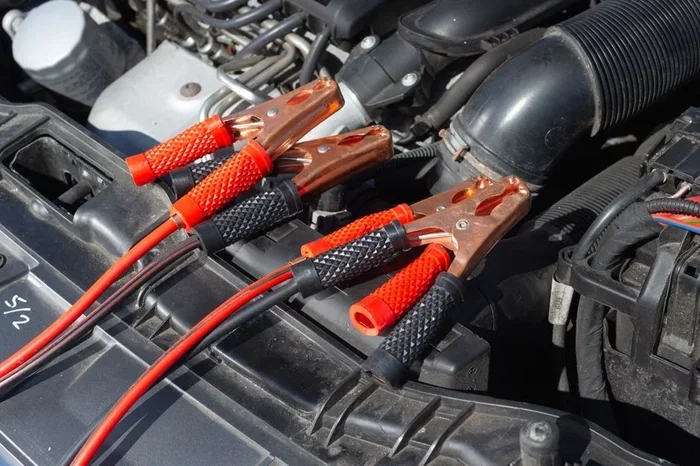
- Try a jump start with a quality set of jumper cables. Make sure the cables are thick enough to carry cold-weather current.
- Use a battery maintainer or trickle charger overnight. This keeps the battery topped off and warm enough to start.
- Park in a garage or use a block heater. Keeping the engine warm dramatically reduces the strain on the battery during cold starts.
Prevention: How to Keep Your Car Starting All Winter
The best way to deal with cold-weather starting problems is to prevent them before they happen. A few simple habits can save you from repeated frustration.
Get a Winter-Ready Battery
If you live in a cold climate, make sure your battery has enough CCA for your region. Batteries are rated by CCA, and higher numbers mean better cold-weather performance. A battery rated for a warm climate may not have enough power to start your engine when temperatures drop below freezing.
When shopping for a new battery, look at the CCA rating on the label. Compare it to what your vehicle manufacturer recommends. Choosing a battery with extra CCA gives you a safety margin for the coldest days of the year.
Keep Your Battery Clean and Tight
Take a few minutes every fall to inspect your battery terminals. Clean off any corrosion and make sure the connections are snug. A simple maintenance routine like this can prevent many cold-weather starting problems.
Drive Your Car Regularly
Short trips are hard on batteries in winter. The alternator needs time to recharge the battery fully, and a 10-minute drive may not be enough. Try to take longer drives when possible, or use a battery maintainer if your car sits for several days.
Use a Battery Blanket or Engine Heater
A battery blanket wraps around your battery and keeps it warm during cold nights. An engine block heater warms the coolant and oil, making it much easier for the engine to turn over. These small devices can make a huge difference in extreme cold.
Have Your Electrical System Checked Before Winter
A pre-winter checkup at a trusted shop can catch problems before they leave you stranded. Ask the technician to test the battery, alternator, and starter. Replace any weak components before the cold weather sets in.
When to Replace Your Battery Instead of Repairing It
Not every starting problem can be fixed with a simple repair. Sometimes the battery simply needs to be replaced. Here are the signs that tell you it is time for a new one.
- The battery is more than four years old. Even if it seems to work, it may not have enough reserve power for cold starts.
- You need a jump start more than twice a year. Frequent jump starts are a clear sign the battery is failing.
- The case is swollen or cracked. A bloated battery case means internal damage and should be replaced immediately.
- The voltage drops below 12.2 volts when the engine is off. This indicates the battery cannot hold a charge.
- You notice dim headlights or slow power windows. These are signs that the battery is not delivering full power.
Replacing a battery before it completely fails is much better than being stranded on a cold morning. A new battery with the right CCA rating will give you confidence all winter long.
Expert Insights on Cold Weather Starting
Experienced mechanics agree on a few key points when it comes to winter car starting. Here is what the professionals want you to know.
Always test your battery under load, not just at rest. A static voltage test can give you a false sense of security. A load test reveals whether the battery can actually deliver the power needed to start your engine in cold conditions.
Do not ignore the cables. Many people focus only on the battery but forget that the cables carry the current. Corroded or damaged cables can block electrical flow just as effectively as corroded terminals.
Temperature matters more than you think. A battery that works fine at 30 degrees Fahrenheit might fail at 10 degrees. If you live in a region with dramatic temperature swings, plan for the worst-case scenario, not the average.
Keep a portable jump starter in your trunk. A compact jump starter pack is small, affordable, and can save you from a long wait for roadside assistance. Look for one rated for cold weather use with enough peak amps to turn over your engine.
Final Thoughts on Fixing Cold-Weather Starting Problems
A car that wont start battery charged when cold is almost always a solvable problem. The key is to identify the real cause instead of guessing. Whether it is a corroded terminal, an aging battery, thick oil, or a failing starter, each issue has a clear fix once you know what to look for.
Prevention is your best friend during winter. A quality battery with the right CCA rating, clean terminals, proper oil weight, and a little bit of regular maintenance can keep your car starting reliably all season long. Do not wait until the first cold snap to address potential problems. Take action now and you will thank yourself when the temperatures drop.
Remember, your battery works harder in the cold. Give it the support it needs, and it will give you the reliable starts you count on every single morning.
Frequently Asked Questions
Why does my car battery die in cold weather even when it is fully charged?
Cold temperatures slow down the chemical reactions inside the battery, reducing its ability to deliver current. A fully charged battery at warm temperatures may lose 40 to 60 percent of its output in freezing weather. This is why a battery that seems fine in the shop can fail on a cold morning.
How do I know if my battery has enough cold cranking amps for winter?
Check the CCA rating on your battery label and compare it to your vehicle manufacturer’s recommendation. If you live in a very cold climate, consider a battery with higher CCA than the minimum requirement. You can also have a load test done at an auto parts store to verify real-world performance.
Can thick engine oil cause a car not to start in cold weather?
Yes. Cold weather makes engine oil thicker and more resistant to flow. This forces the starter motor to work harder, which demands more power from the battery. Using the correct winter-weight oil can significantly reduce this strain and make cold starts much easier.
Is it better to use a battery charger or a jump starter for cold weather?
A battery charger is great for maintaining charge overnight and keeping the battery healthy. A jump starter is a portable emergency tool for when your battery has already died. Both are useful, but a jump starter gives you immediate power when you are stranded. Keeping both on hand is the best strategy.
How often should I replace my car battery before winter?
Most batteries last three to five years. If your battery is approaching four years old and you live in a cold climate, consider replacing it before winter arrives. A pre-winter replacement is far cheaper and less stressful than a roadside failure on a freezing morning.
What should I do if my car clicks but will not start in the cold?
A single click usually means the starter solenoid is engaging but not getting enough power. Check your battery voltage, clean the terminals, and try a jump start. If the problem persists, the starter motor or solenoid may need to be inspected or replaced by a qualified mechanic.