What Happened When Water Mix Entered Your Car Engine
When water mix enters your car engine, it can cause severe damage to internal components like cylinders, pistons, and the fuel system. Even a small amount of water in the engine can lead to misfires, corrosion, and costly repairs. Understanding the signs early and acting fast can save you thousands of dollars. This guide covers everything you need to know about water contamination in your engine.
You turn the key, and your car cranks but won’t start. Or maybe it starts and immediately dies with a loud thud. If you have been driving through a flooded road or your car sat through a heavy rainstorm, you might be dealing with water mix inside your engine. This is a serious problem that car owners should never ignore.
Water and engines do not mix. Literally. Even a small amount of water contamination in your engine can lead to expensive repairs or a complete engine failure. In this article, we will walk you through exactly what happens when water enters your car engine, how to spot the warning signs, and what you can do to fix the damage.
Whether you drove through a puddle, deal with condensation, or have a leaking head gasket, understanding the effects of water mix in engine can save you time, money, and a lot of headaches. Let us dive in.
Key Takeaways
- Water mix in the engine causes hydrolock: Water cannot compress like air, leading to bent pistons or cracked cylinders.
- Early detection saves money: Catching symptoms like misfires or white exhaust smoke quickly prevents worse damage.
- Multiple entry points exist: Water can enter through the air intake, fuel system, or even a damaged head gasket.
- Repair costs vary widely: Minor contamination may only need an oil change, while severe hydrolock can require a full engine rebuild.
- Prevention is simple: Regular maintenance and smart driving habits keep water out of your engine.
- Do not drive with water in the engine: Continuing to run the engine worsens damage significantly.
📑 Table of Contents
- What Happens When Water Mix Enters Your Car Engine
- How Water Gets Into Your Car Engine
- Signs and Symptoms of Water in Your Engine
- The Damage Water Mix Can Cause to Engine Components
- How to Fix a Water-Damaged Engine
- How to Prevent Water from Entering Your Engine
- Expert Insights on Water Contamination in Car Engines
- Key Takeaways
- Conclusion
What Happens When Water Mix Enters Your Car Engine
Your car engine runs on a simple principle. It compresses a mixture of air and fuel, then ignites it to create power. This process depends on the compressibility of air. Water changes everything. When water enters the engine, it disrupts the entire combustion cycle.
Unlike air, water does not compress. When the piston tries to compress water inside a cylinder, it hits a solid wall. This phenomenon is called hydrolock or hydraulic lock. The result can be devastating for your engine internals.
How Hydrolock Damages Your Engine
Hydrolock is the most immediate danger of water contamination in engines. Here is what happens step by step:
- The piston moves up during the compression stroke.
- It encounters water instead of air-fuel mixture.
- Water does not compress, so the piston stops abruptly.
- The connecting rod bends or breaks under the pressure.
- The piston itself may crack or shatter.
- In severe cases, the cylinder head or engine block cracks too.
At low engine speeds, hydrolock might only bend a connecting rod. At higher RPMs, the damage escalates quickly. You could end up with a cracked cylinder head, shattered pistons, or a completely seized engine. This is why you should never try to start a car if you suspect water has entered the engine.
What Happens to the Combustion Chamber
Even if hydrolock does not occur, water in the combustion chamber causes problems. Water can foul your spark plugs, preventing proper ignition. You may experience engine misfires or rough idling. The water can also wash away the oil film on cylinder walls, increasing friction and wear on critical engine parts.
Over time, even small amounts of water in engine oil can cause rust to form on internal surfaces. This corrosion weakens components and shortens the overall lifespan of your engine.
How Water Gets Into Your Car Engine
Water does not just appear inside your engine by magic. There are several common ways water mix can find its way into your engine compartment. Knowing these entry points helps you prevent the problem in the first place.
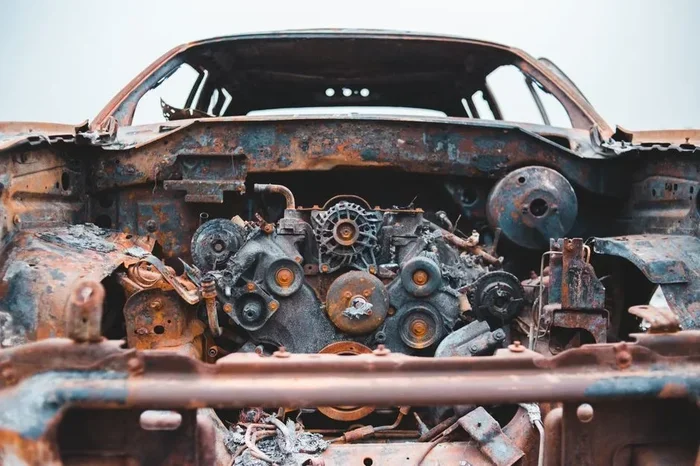
Visual guide about water damaged engine
Image source: images.pexels.com
Through the Air Intake System
The most common way water enters an engine is through the air intake. Your engine breathes in air through an air filter and intake manifold. If you drive through deep water or a flooded road, water can get pulled into the air intake system directly.
This is especially dangerous when driving through standing water. Even a few inches of water can be sucked into the engine if the water level reaches the air intake opening. Once inside, the water travels straight to the combustion chambers.
Through the Fuel System
Another entry point is the fuel system. Water can contaminate your fuel tank, especially if condensation builds up over time. This is more common in vehicles that sit unused for long periods. Water contamination in fuel leads to poor combustion, engine misfires, and potential damage to fuel injectors.
Sometimes, a faulty fuel pump or damaged fuel tank seal allows external water to seep in. If you notice your car sputtering or losing power after refueling, water in the fuel could be the culprit.
Through a Damaged Head Gasket
A blown head gasket is a less common but equally serious cause of water entering the engine. The head gasket seals the junction between the engine block and cylinder head. When it fails, coolant can leak into the cylinders.
Signs of a head gasket leak include overheating, white exhaust smoke, and coolant loss without visible leaks. If you suspect a head gasket issue, get your car inspected immediately. Coolant mixing with engine oil creates a sludge that damages bearings and other internal components.
Through Condensation
Even without flooding or leaks, condensation can form inside your engine over time. This is especially true in humid climates or when a car sits unused for weeks. Small amounts of condensation usually burn off harmlessly during normal driving. However, excessive buildup can lead to rust and corrosion in sensitive engine parts.
Signs and Symptoms of Water in Your Engine
Catching the early signs of water mix in engine can prevent catastrophic damage. Here are the most common symptoms to watch for:
Engine Misfires and Stalling
If your engine starts misfiring or randomly stalls, water in the cylinders could be disrupting combustion. Water does not burn, so even a small amount in one cylinder can cause a noticeable loss of power.
White or Gray Exhaust Smoke
Thick white smoke from the exhaust is a classic sign of water or coolant burning in the combustion chamber. This often indicates a head gasket leak or water contamination in the engine. Do not ignore this symptom.
Unusual Noises from the Engine Bay
Knocking, sputtering, or a sudden loud thud when you try to start the engine are red flags. These sounds often indicate hydrolock or damaged internal components. Turn the key off immediately if you hear strange noises.
Oil That Looks Milky or Frothy
Check your engine oil dipstick regularly. Healthy oil is amber or brown. If it looks milky, frothy, or has a creamy texture, water has mixed with your oil. Water-contaminated engine oil loses its lubricating ability and can cause accelerated wear on bearings and moving parts.
Difficulty Starting the Car
A car that cranks but refuses to start may have water in the cylinders preventing proper compression. If this happens after driving through water, do not keep trying to start the engine.
Reduced Engine Performance
Loss of power, poor acceleration, and rough idling can all point to water in the fuel system or combustion chambers. Your engine needs a precise air-fuel ratio to run smoothly, and water disrupts that balance.
The Damage Water Mix Can Cause to Engine Components
The extent of damage depends on how much water entered the engine and how long it ran. Let us break down the specific components that suffer when water mix gets inside your engine.
Cylinder and Piston Damage
The cylinders and pistons bear the brunt of hydrolock damage. When water prevents compression, the piston rod can bend or break. In worst-case scenarios, the piston itself cracks and fragments inside the cylinder, causing even more destruction.
Connecting Rod Failure
The connecting rod links the piston to the crankshaft. Under hydrolock pressure, this rod can bend or snap. A broken connecting rod can puncture the engine block, leading to total engine failure.
Crankshaft and Bearings
Water in the engine oil washes away the protective oil film on bearings. This metal-on-metal contact causes scoring and pitting on the crankshaft journals. Over time, this leads to increased friction, overheating, and eventual bearing failure.
Spark Plug and Ignition System
Water fouls spark plugs quickly. A wet spark plug cannot create the spark needed for combustion. You may need to replace all spark plugs if water contamination has been present for any length of time.
Catalytic Converter Damage
Excessive water and unburned fuel passing through the exhaust system can damage the catalytic converter. The converter is designed to handle specific exhaust gases, not liquid water or raw fuel. A damaged converter leads to poor emissions and reduced fuel efficiency.
Corrosion and Rust Formation
Even after the water event, residual moisture causes rust and corrosion on metal surfaces inside the engine. Valve stems, cylinder walls, and bearing surfaces are all vulnerable. This corrosion weakens components over time and can lead to future failures.
How to Fix a Water-Damaged Engine
If you suspect water mix has entered your car engine, take immediate action. The faster you respond, the better your chances of minimizing damage.
Step 1: Do Not Start the Engine
This is the most important rule. If you know water is in the engine, do not turn the key. Every attempt to start the engine pushes water deeper into components and worsens the damage. Keep the ignition off and call for professional help.
Step 2: Get the Car Towed to a Mechanic
Do not attempt to drive the car. Towing is the safest option. A mechanic can properly diagnose the extent of water contamination and recommend the right repair path.
Step 3: Drain and Inspect
The mechanic will drain the engine oil, coolant, and fuel. They will inspect the cylinders, pistons, and connecting rods for damage. A compression test helps identify which cylinders have been affected.
Step 4: Replace Damaged Components
Depending on the severity, repairs may include replacing spark plugs, piston rings, connecting rods, or even a full engine rebuild. Minor cases might only need an oil change and new spark plugs.
Step 5: Refill and Test
After repairs, the mechanic refills all fluids with fresh oil, coolant, and fuel. The engine is then tested for proper operation, compression, and performance.
Estimated Repair Costs
Repair costs for water-damaged engines vary widely. Minor contamination might cost $200 to $500 for fluid changes and spark plug replacement. Moderate damage requiring part replacements can range from $1,000 to $3,000. Severe hydrolock damage requiring a full engine rebuild or replacement can cost $4,000 to $8,000 or more.
How to Prevent Water from Entering Your Engine
Prevention is always better and cheaper than repair. Here are practical steps to keep water out of your engine:
- Avoid driving through standing water: Even shallow water can be dangerous. If you cannot see the road beneath the water, do not drive through it.
- Maintain your air intake system: Regularly check and replace your air filter. A damaged air intake duct can let water into the engine.
- Check your fuel quality: Buy fuel from reputable stations. Water contamination in fuel is more common at stations with poorly maintained underground tanks.
- Inspect your head gasket regularly: Watch for signs of coolant leaks, overheating, or white exhaust smoke.
- Drive your car regularly: Regular use helps burn off condensation and keeps fluids circulating properly.
- Use a quality engine cover or garage: Parking in a covered area protects your engine from heavy rain and flooding.
- Check your oil regularly: Monitoring your oil condition helps you catch water contamination early before it causes serious damage.
Quick Tips for Flooded Roads
During rainy seasons or flood events, follow these tips to protect your engine:
- Slow down and drive in the highest gear possible.
- Keep a safe distance from other vehicles to avoid their spray.
- If water is rising, do not restart the engine if you have stalled.
- After driving through water, lightly tap the brakes to dry them and check for any unusual symptoms.
Expert Insights on Water Contamination in Car Engines
Automotive experts agree that water mix in engine is one of the most preventable yet destructive issues car owners face. According to certified mechanics, the key is awareness and quick response.
Many people underestimate how little water it takes to cause damage. As little as a single ounce of water in a cylinder can cause hydrolock at high RPMs. Even smaller amounts can foul spark plugs and disrupt combustion over time.
Experts also emphasize the importance of not ignoring early warning signs. A slight misfire or odd exhaust sound today can become a blown engine tomorrow. Regular maintenance and attentive driving are your best defenses against water contamination in your car engine.
Key Takeaways
- Water mix in the engine causes hydrolock: Water cannot compress like air, leading to bent pistons or cracked cylinders.
- Early detection saves money: Catching symptoms like misfires or white exhaust smoke quickly prevents worse damage.
- Multiple entry points exist: Water can enter through the air intake, fuel system, or even a damaged head gasket.
- Repair costs vary widely: Minor contamination may only need an oil change, while severe hydrolock can require a full engine rebuild.
- Prevention is simple: Regular maintenance and smart driving habits keep water out of your engine.
- Do not drive with water in the engine: Continuing to run the engine worsens damage significantly.
Conclusion
Water mix entering your car engine is a serious problem that demands immediate attention. Whether it happens from driving through floodwater, a failing head gasket, or contaminated fuel, the effects can range from minor inconvenience to total engine destruction. Understanding what happens, recognizing the symptoms early, and taking swift action are the keys to protecting your vehicle.
The good news is that prevention is straightforward. Simple habits like avoiding standing water, maintaining your fuel system, and checking your fluids regularly go a long way in keeping your engine safe. And if you do suspect water has entered your engine, remember the golden rule: do not start it, get it towed, and let a professional handle the repairs.
Your engine is the heart of your car. Treat it with care, and it will serve you well for years to come. Stay vigilant, stay informed, and keep that water mix far away from your engine.
Frequently Asked Questions
Can a small amount of water in the engine cause damage?
Yes, even a small amount of water mix can cause damage. Water fouls spark plugs, disrupts combustion, and washes away protective oil films. Over time, this leads to increased wear and potential engine misfires.
How do I know if water has entered my engine?
Look for symptoms like white exhaust smoke, engine misfires, milky oil, difficulty starting, or unusual knocking sounds. If you notice any of these signs after driving through water, have your car inspected immediately.
What should I do if I drove through water and my engine stalls?
Do not try to restart the engine. Turn the key off, call for a tow, and have a mechanic inspect the vehicle. Attempting to restart can cause severe hydrolock and irreversible engine damage.
Is water in the engine covered by car insurance?
It depends on your policy. Comprehensive insurance often covers water damage from flooding or storms. However, damage from neglect or lack of maintenance is usually not covered. Check with your insurance provider for specific details.
How long can water sit in an engine before causing damage?
Even brief exposure can cause damage. Water in the cylinders can cause rust on metal surfaces within hours. Water mixed with engine oil loses its lubricating properties immediately, increasing wear on bearings and other components.
Can I fix water damage in my engine myself?
Minor cases like draining and replacing fluids might be manageable for experienced DIYers. However, most water damage requires professional diagnosis and repair. Attempting complex repairs without proper knowledge can lead to further damage and higher costs.