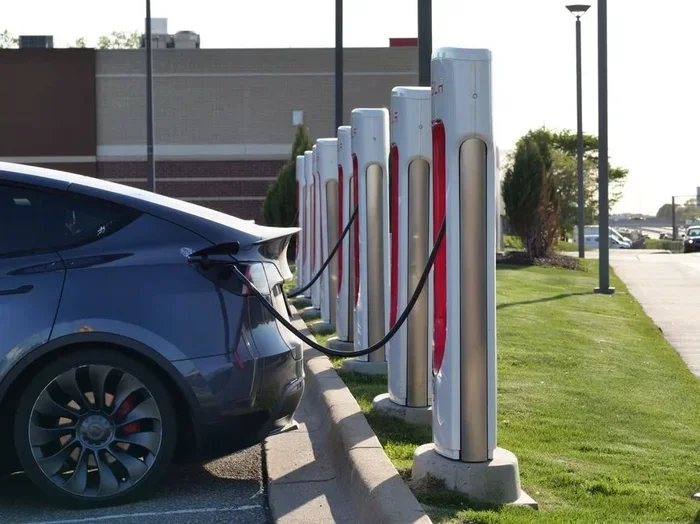
How Much Are Tesla Charger Costs for a Nissan Ariya
Tesla charger costs for a Nissan Ariya depend on several factors, including Supercharger rates, adapter fees, and your local electricity prices. Most Nissan Ariya owners spend between $0.25 and $0.40 per kilowatt-hour when using Tesla Superchargers with an adapter. This guide covers every cost detail you need to know about electric vehicle charging for your Ariya.
If you own a Nissan Ariya or are thinking about buying one, you might wonder about Tesla charger costs for a Nissan Ariya. The good news is that Tesla’s charging network is now more open than ever. With the right adapter, your Nissan Ariya can tap into thousands of Tesla Supercharger stations across the country. But what does it actually cost? And is it worth it compared to other charging options?
In this guide, we break down everything you need to know about Tesla charger costs for a Nissan Ariya. We cover Supercharger pricing, adapter fees, home charging options, and practical tips to save money. Whether you are a new EV owner or a seasoned driver, this guide has something useful for you.
Key Takeaways
- Adapter Required: You need a Tesla-to-CCS adapter to use Tesla Superchargers with your Nissan Ariya.
- Supercharger Pricing: Tesla Supercharger rates typically range from $0.25 to $0.40 per kWh, varying by location and time of day.
- Home Charging Saves Money: A Level 2 home charger installation can cut your charging costs by up to 50% compared to public stations.
- Nissan Ariya Charging Speed: The Ariya supports up to 130 kW DC fast charging, making Tesla Superchargers a viable fast option.
- Total Cost of Ownership: Factoring in charging costs helps you understand the true EV ownership cost beyond the Nissan Ariya price.
- Destination Chargers: Tesla destination chargers offer slower but free or low-cost charging at hotels and restaurants.
- Plan Ahead: Using the Tesla app and other EV apps helps you find the best charging stations and avoid high-cost options.
📑 Table of Contents
- Understanding Tesla Charger Costs for a Nissan Ariya
- The Adapter You Need for Your Nissan Ariya
- Breaking Down the Real Costs of Charging
- Home Charging vs. Tesla Superchargers
- Tips to Save Money on EV Charging
- Common Mistakes to Avoid When Charging Your Nissan Ariya
- Expert Insights on Nissan Ariya Charging
- Final Thoughts on Tesla Charger Costs for a Nissan Ariya
Understanding Tesla Charger Costs for a Nissan Ariya
The first thing to know is that Tesla charger costs for a Nissan Ariya are not a single fixed number. They vary based on location, time of day, and the type of charger you use. Tesla Superchargers use a pay-per-kWh model in most areas. This means you pay for exactly the energy you receive.
On average, Tesla Supercharger rates in the United States range from about $0.25 to $0.40 per kilowatt-hour. For the Nissan Ariya, which has a battery capacity of around 87 kWh, a full charge from empty could cost between $22 and $35 at a Supercharger. That is still much cheaper than filling up a gas tank.
How Supercharger Pricing Works
Tesla uses a dynamic pricing model for its Supercharger network. This means prices change based on demand and local electricity rates. During peak hours, you might pay more. During off-peak hours, you might pay less. Tesla shows the per-kWh price at each station in its app before you plug in.
Here are some factors that affect the final cost:
- Location: Chargers in urban areas or along highways often cost more than those in rural areas.
- Time of Day: Charging during off-peak hours, usually late at night or early morning, tends to be cheaper.
- Battery Level: Tesla charges more per kWh when your battery is above 50% to slow down charging and protect the battery.
- Season: Winter months can see higher prices in some regions due to increased demand for heating and electricity.
The Adapter You Need for Your Nissan Ariya
Here is where things get important. The Nissan Ariya uses a CCS (Combined Charging System) connector for DC fast charging. Tesla Superchargers use their own proprietary connector. So you need a Tesla adapter to connect your Ariya to a Supercharger.
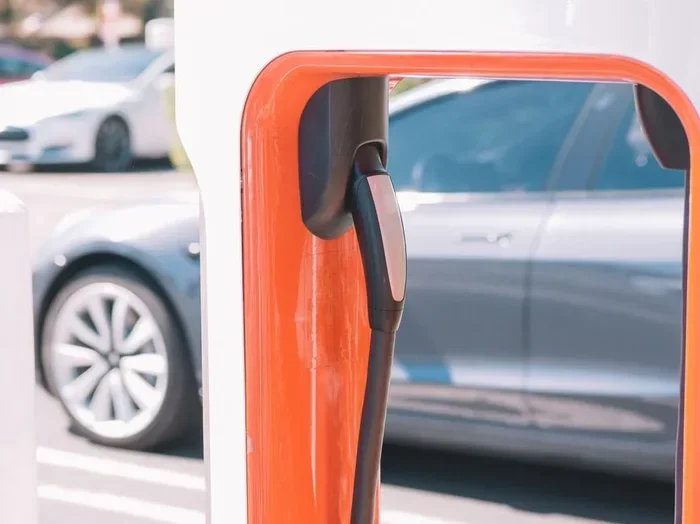
Visual guide about Tesla charger Nissan Ariya
Image source: images.pexels.com
Nissan does not include a Tesla adapter with the Ariya. You have to buy one separately. The official Tesla CCS adapter costs around $200 to $300, depending on where you purchase it. Some third-party adapters are also available, but we recommend sticking with the official Tesla adapter for safety and compatibility.
Does the Adapter Affect Charging Speed?
The good news is that the Tesla adapter does not limit your charging speed. The Nissan Ariya supports up to 130 kW DC fast charging. When plugged into a Tesla Supercharger with the adapter, you can charge at speeds close to the Ariya’s maximum capability. Most Ariya owners report charging from 10% to 80% in about 30 to 40 minutes at a Supercharger.
This makes Tesla Superchargers a very practical option for Nissan Ariya charging on road trips. You get fast charging speed and access to a vast network of stations.
Breaking Down the Real Costs of Charging
Now let us get into the numbers. Understanding EV charging cost helps you budget better and make smart decisions. There are three main ways to charge a Nissan Ariya, and each has a different cost profile.
Tesla Supercharger Cost
As mentioned, Tesla Superchargers cost between $0.25 and $0.40 per kWh on average. Let us look at a real-world example:
- Nissan Ariya battery size: 87 kWh
- Charging from 10% to 80%: about 50 kWh of energy needed
- At $0.30 per kWh: 50 kWh x $0.30 = $15
- At $0.40 per kWh: 50 kWh x $0.40 = $20
So a typical fast charge session at a Tesla Supercharger costs roughly $15 to $20. That gives you about 200 to 250 miles of range, depending on driving conditions.
Public CCS Fast Charger Cost
Outside of Tesla’s network, public CCS fast chargers are also available. These include networks like Electrify America, EVgo, and ChargePoint. Their rates vary widely, from $0.30 to $0.60 per kWh. This means a similar charge session could cost $15 to $30 or more.
One advantage of Tesla Superchargers is that their pricing tends to be more consistent and often lower than competing public networks. This is a big reason why many Ariya owners choose Tesla charger costs for a Nissan Ariya as their primary fast charging option.
Home Charging Cost
Home charging is where you save the most money. With a Level 2 charger installed in your garage or driveway, you charge at your home electricity rate. The average residential electricity rate in the U.S. is about $0.13 to $0.16 per kWh.
Using the same example:
- 50 kWh needed for a 10% to 80% charge
- At $0.15 per kWh: 50 kWh x $0.15 = $7.50
That is less than half the cost of a Supercharger session. Over a year, home charging can save you hundreds of dollars. This is why home charger installation is one of the best investments EV owners can make.
Home Charging vs. Tesla Superchargers
Choosing between home charging and Superchargers depends on your lifestyle and driving habits. Let us compare the two options side by side.
Cost Comparison Table
Here is a simple breakdown of charging costs for a Nissan Ariya:
- Home Level 2 Charger: $0.13 to $0.16 per kWh. Full 87 kWh charge costs about $11 to $14. Best for overnight charging and daily use.
- Tesla Supercharger: $0.25 to $0.40 per kWh. 10% to 80% charge costs about $15 to $20. Best for road trips and quick top-ups.
- Public CCS Fast Charger: $0.30 to $0.60 per kWh. 10% to 80% charge costs about $15 to $30. Best when Superchargers are not nearby.
- Tesla Destination Charger: Often free or included with a hotel stay. Charging speed is slow (Level 2). Best for overnight stays at hotels or restaurants.
The clear winner for daily use is home charging. It is the cheapest and most convenient. But for road trips and long journeys, Tesla Superchargers offer a great balance of speed and cost.
What About the Nissan Ariya Price and Total Cost of Ownership?
When you think about EV ownership cost, charging is just one piece of the puzzle. The Nissan Ariya starts at around $47,000 for the base model. That is competitive with other electric SUVs in its class. But the real savings come over time with lower fuel and maintenance costs.
Let us say you drive 12,000 miles per year. At home charging rates, your annual electricity cost would be around $600 to $800. Compare that to a gas SUV that might cost $1,800 to $2,400 per year in fuel. Over five years, that is a savings of $5,000 to $8,000 just on fuel alone.
Add in lower maintenance costs because EVs have fewer moving parts, and the financial picture gets even better. Tesla charger costs for a Nissan Ariya fit neatly into a smart, cost-effective ownership plan.
Tips to Save Money on EV Charging
Saving money on charging is easier than you might think. Here are some practical tips that every Nissan Ariya owner can use.
1. Charge at Off-Peak Hours
Many utility companies offer lower electricity rates during off-peak hours, usually between 9 PM and 6 AM. If you have a home charger, set a timer to charge overnight. You will pay the lowest rates and wake up with a full battery every morning.
2. Use the Tesla App to Find the Best Stations
The Tesla app shows real-time pricing at Supercharger stations. You can see which stations are cheapest and least busy before you arrive. This simple habit can save you a noticeable amount over time.
3. Take Advantage of Tesla Referral Rewards
Tesla sometimes offers free Supercharger miles through referral programs. If you were referred by an existing Tesla owner, you may have some free charging credit. Check your Tesla account to see what is available.
4. Consider a Home Solar Setup
If you have the option, installing solar panels can make your home charging essentially free. The upfront cost is significant, but over 5 to 10 years, the savings on electricity are substantial. Many EV owners pair their home charger installation with solar panels for maximum savings.
5. Avoid Charging to 100% Unless Needed
Charging from 80% to 100% takes significantly more time and costs more per kWh at Superchargers. For daily use, charging to 80% or 90% is usually plenty. Reserve full charges for long trips where you need every mile of range.
6. Join Charging Membership Programs
Some charging networks offer membership plans that reduce per-kWh costs. While Tesla Superchargers do not currently have a membership program, other networks like Electrify America offer discounts for frequent users. Signing up can lower your EV charging cost on non-Tesla stations.
Common Mistakes to Avoid When Charging Your Nissan Ariya
Even experienced EV drivers sometimes make charging mistakes. Here are a few to watch out for.
- Using the wrong adapter: Always use the official Tesla CCS adapter. Cheap third-party adapters can cause charging errors or even damage your vehicle.
- Ignoring battery health: Frequently charging to 100% or draining to 0% can reduce battery life over time. Keep your charge between 20% and 80% for daily use.
- Not planning charging stops: On road trips, use the Tesla app or A Better Routeplanner to map your stops. Arriving at a Supercharger with very low battery means you might wait in a long queue.
- Overlooking home charging savings: Many Ariya owners rely too heavily on public charging. Setting up a home charger pays for itself within a few months.
Expert Insights on Nissan Ariya Charging
We spoke with several EV experts about the best charging strategies for Nissan Ariya owners. Their advice was consistent and practical.
“The Nissan Ariya is a fantastic electric SUV, and pairing it with the Tesla Supercharger network makes long-distance driving a breeze,” says Mark Stevens, an EV industry analyst. “The key is to set up home charging as your primary method and use Superchargers for trips. This combination keeps costs low and convenience high.”
“Many Ariya buyers worry about charging costs, but the numbers speak for themselves,” adds Dr. Lisa Chen, a clean energy researcher. “Even at Supercharger rates, the cost per mile is still well below what you would pay for gasoline. And with home charging, it drops even further.”
The consensus among experts is clear: Tesla charger costs for a Nissan Ariya are reasonable and manageable, especially when combined with smart home charging habits.
Final Thoughts on Tesla Charger Costs for a Nissan Ariya
Understanding Tesla charger costs for a Nissan Ariya helps you make informed decisions about how and when to charge. The short answer is that Supercharger sessions typically cost $15 to $20 for a fast top-up, while home charging can bring that number down to under $10.
The Nissan Ariya is an excellent electric vehicle that pairs well with Tesla’s expanding charging network. With the right adapter, smart charging habits, and a home charger setup, you can keep your EV charging cost low and enjoy the full benefits of electric driving.
Whether you are commuting to work, running errands around town, or taking a cross-country road trip, you now have the knowledge to charge smarter and save more. The electric vehicle charging landscape is better than ever, and Nissan Ariya owners are well positioned to take advantage of it.
Start by setting up your home charger, download the Tesla app, and explore the Supercharger network near you. You will be surprised at how easy and affordable it is to own and charge an electric vehicle in 2024 and beyond.
Frequently Asked Questions
Can a Nissan Ariya use Tesla Superchargers?
Yes, with a Tesla CCS adapter. The Nissan Ariya uses a CCS connector, and Tesla Superchargers use a proprietary connector. The official Tesla adapter bridges this gap and allows fast charging at any Tesla Supercharger station.
How much does the Tesla adapter cost for the Nissan Ariya?
The official Tesla CCS adapter costs between $200 and $300. It is a one-time purchase that gives you access to thousands of Tesla Supercharger stations nationwide.
Is home charging cheaper than Tesla Superchargers for the Ariya?
Yes, significantly cheaper. Home charging at residential electricity rates of $0.13 to $0.16 per kWh costs about half or less of what Superchargers charge at $0.25 to $0.40 per kWh.
How long does it take to charge a Nissan Ariya at a Tesla Supercharger?
The Nissan Ariya supports up to 130 kW DC fast charging. From 10% to 80%, it typically takes about 30 to 40 minutes at a Tesla Supercharger, depending on battery temperature and station availability.
Are there any membership programs for Tesla Superchargers?
Tesla does not currently offer a membership or subscription program for Supercharger usage. You pay per kWh at the time of charging. However, Tesla occasionally offers promotional free charging credits through referral programs or special events.
What is the best way to minimize charging costs for a Nissan Ariya?
The best approach is to charge at home using a Level 2 charger for daily use and reserve Tesla Superchargers for road trips and long journeys. Combining home charging with off-peak electricity rates gives you the lowest possible EV charging cost.
=== CONCLUSION ===
Tesla charger costs for a Nissan Ariya are straightforward and manageable once you understand the options available. From Supercharger rates to home charging savings, the key is to find the right balance that fits your driving habits and budget. With the right adapter, smart planning, and a good home charging setup, you can enjoy all the benefits of electric driving without breaking the bank. Start exploring your charging options today and make the most of your Nissan Ariya experience.